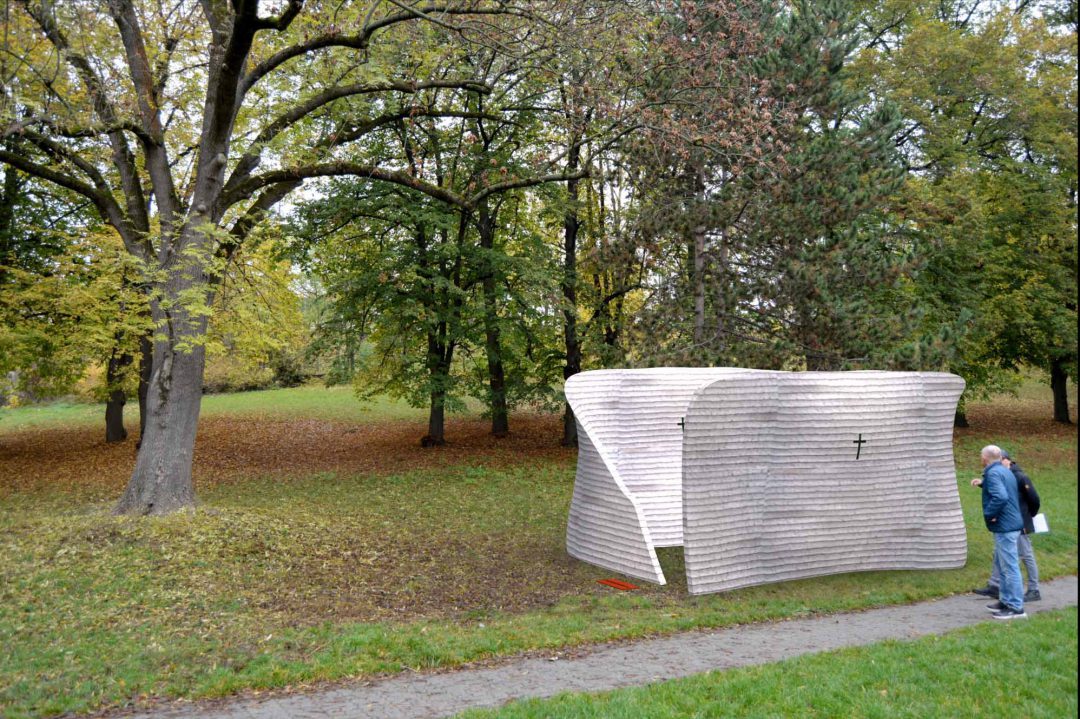
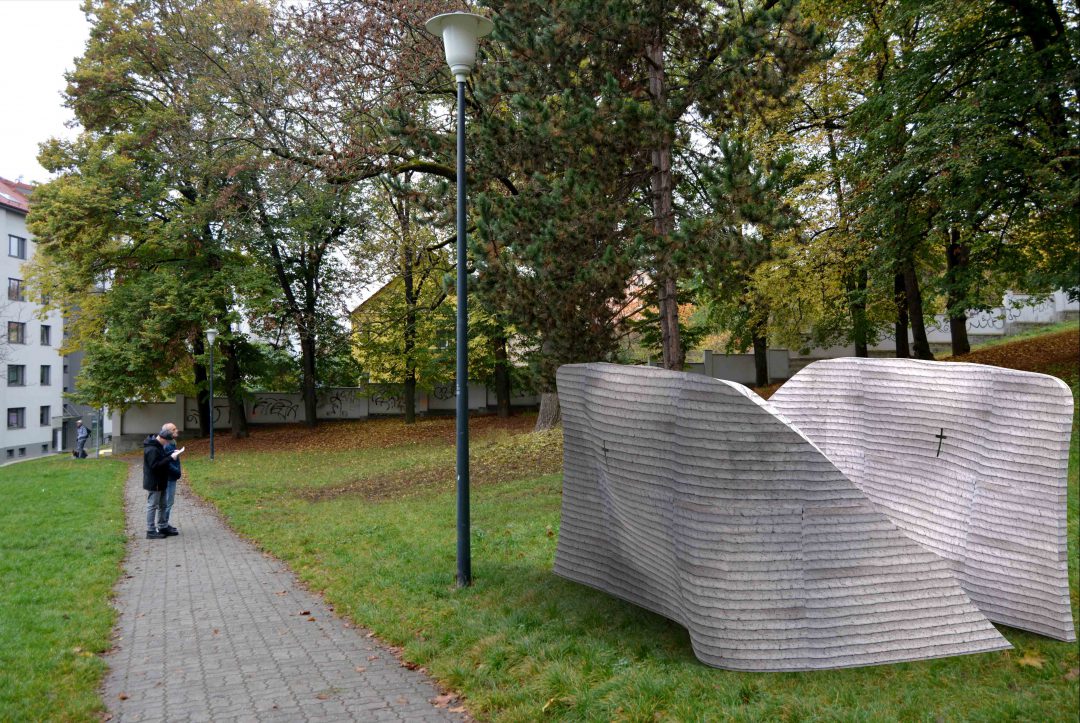
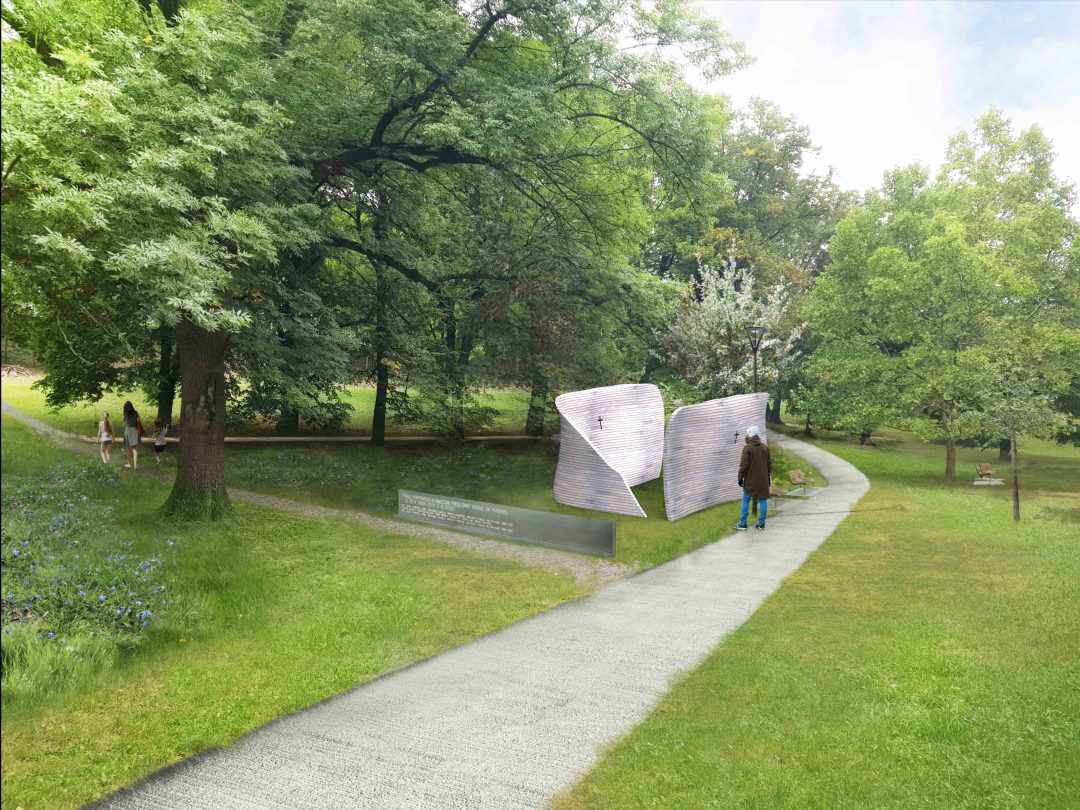
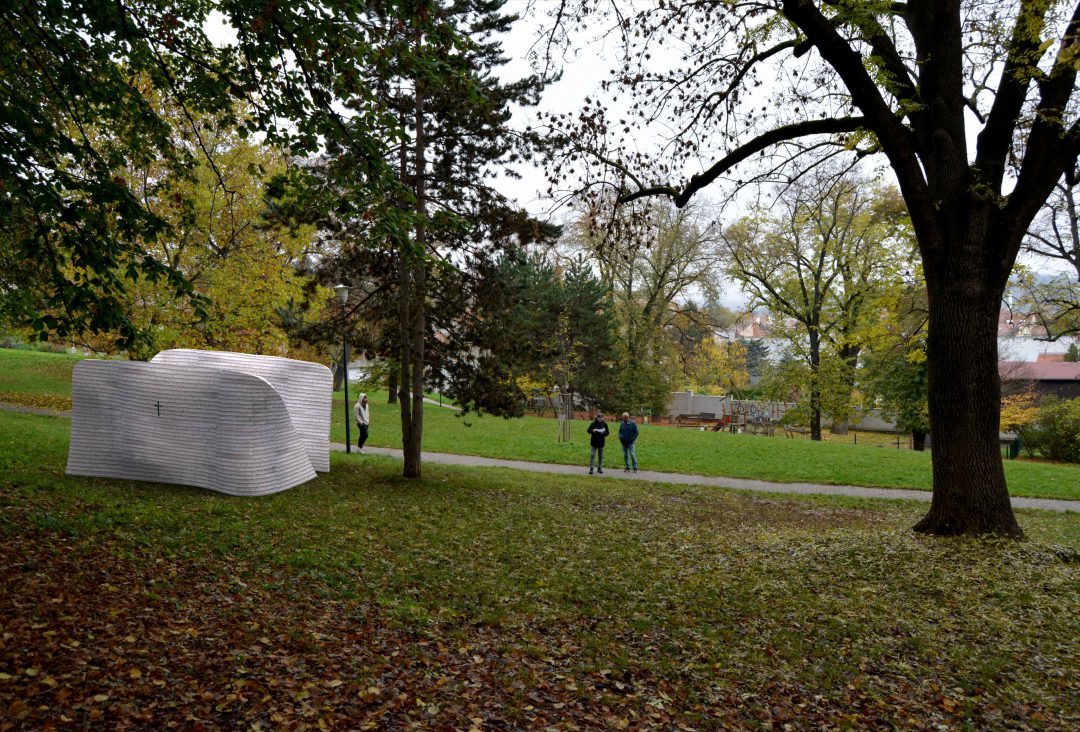
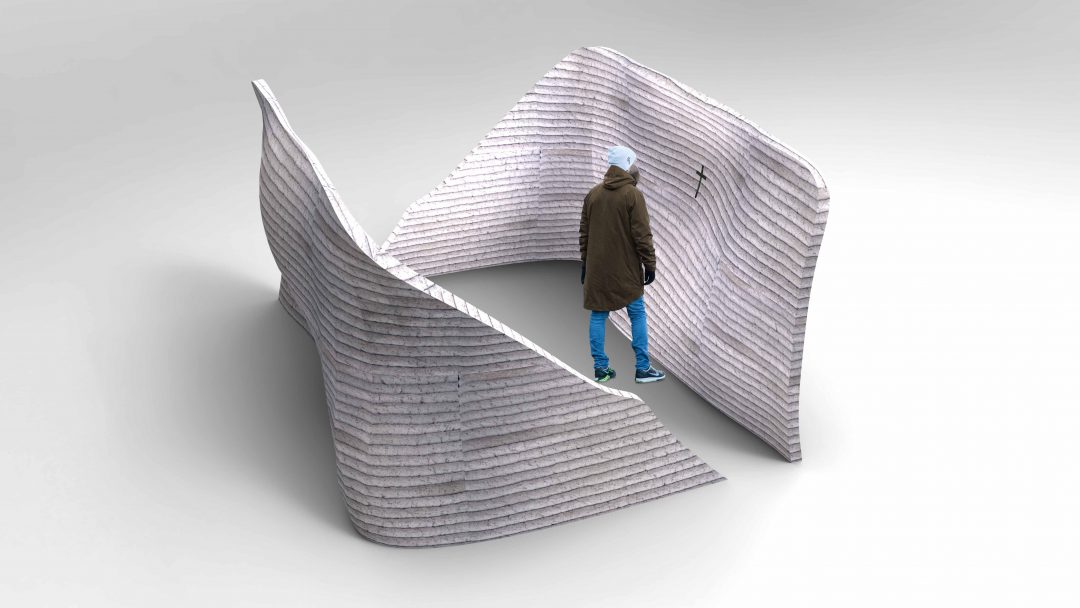
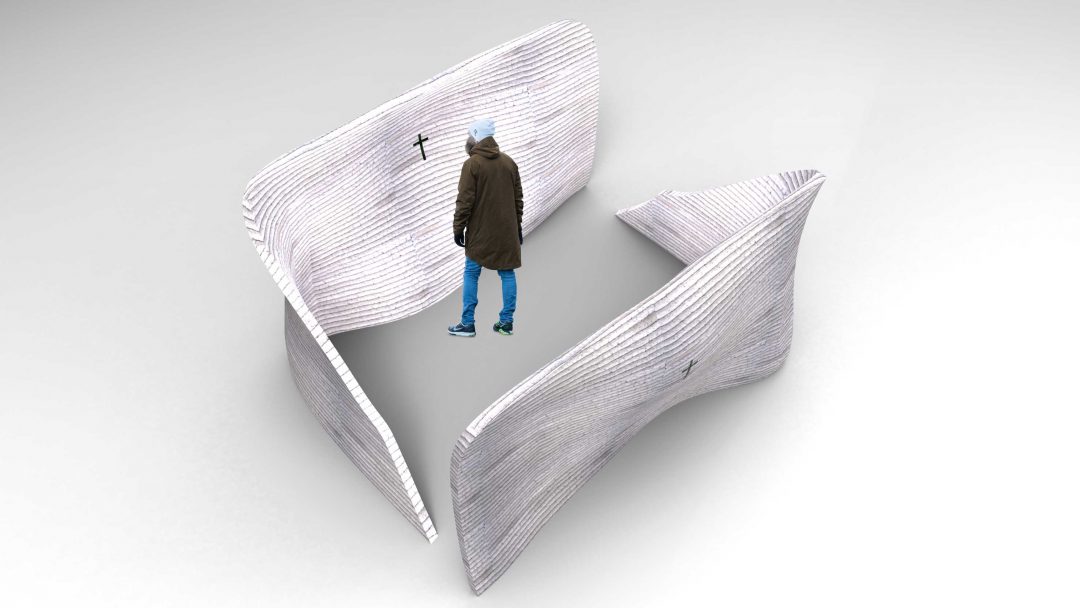
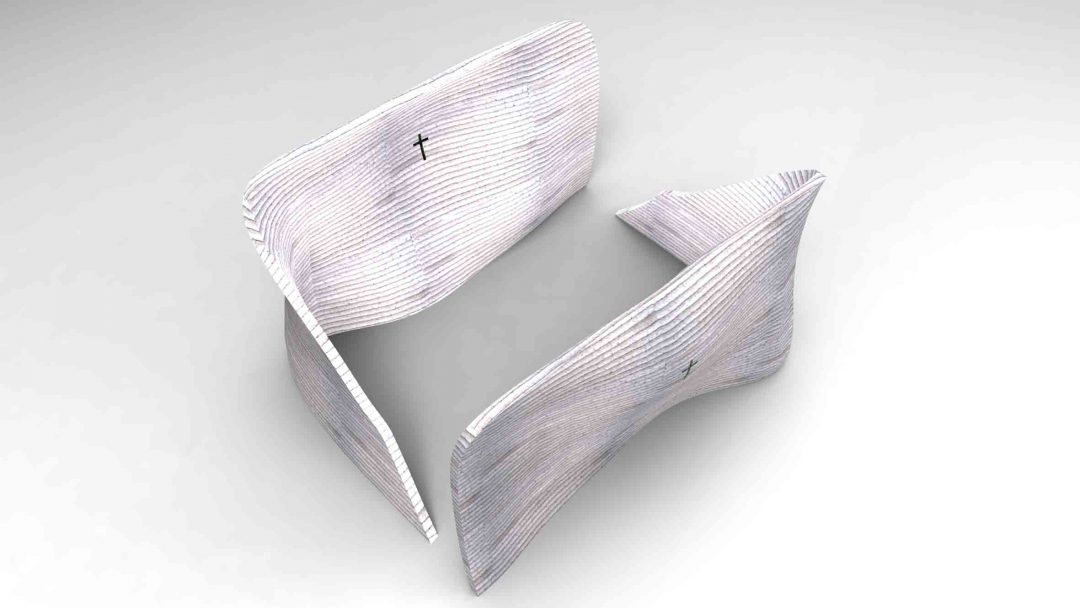
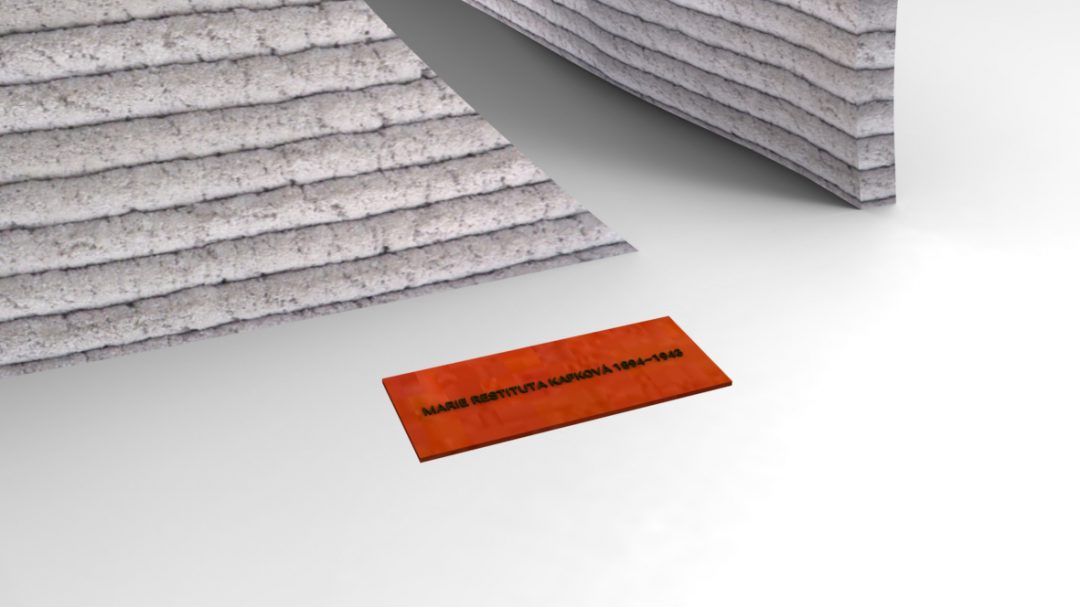
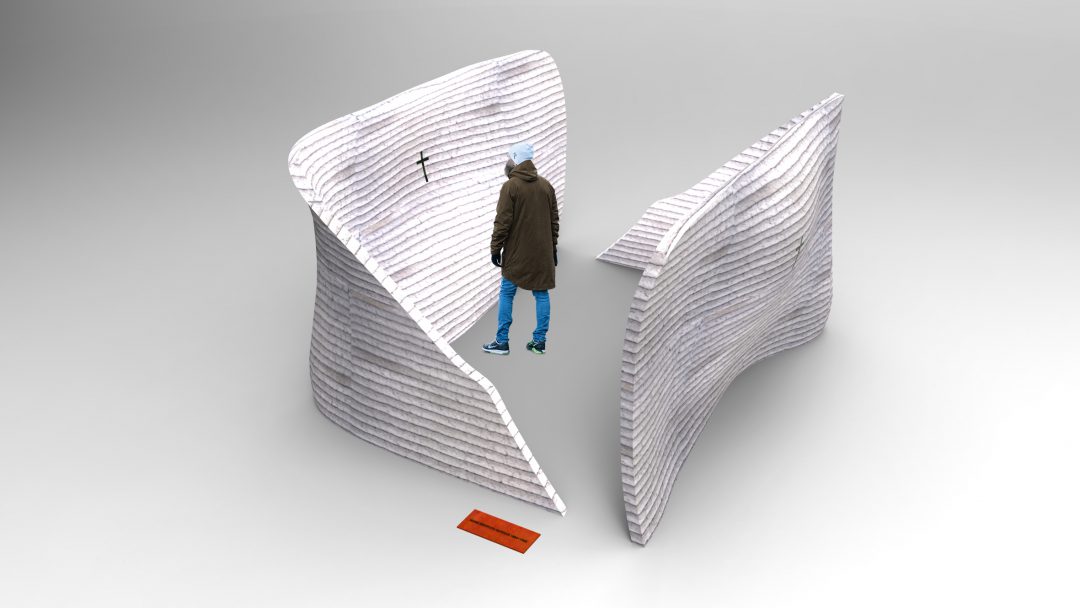
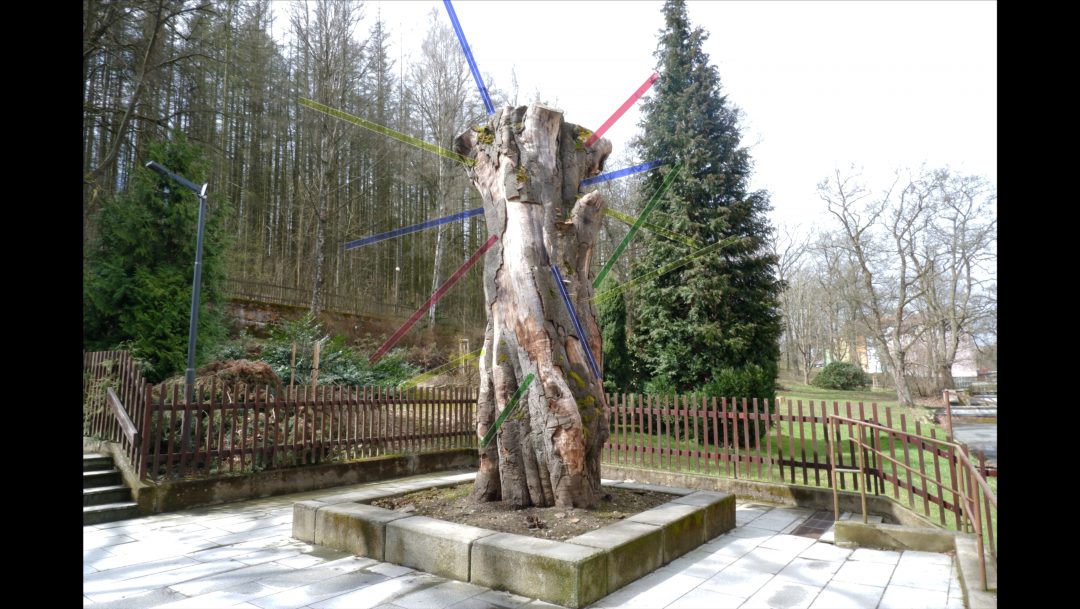
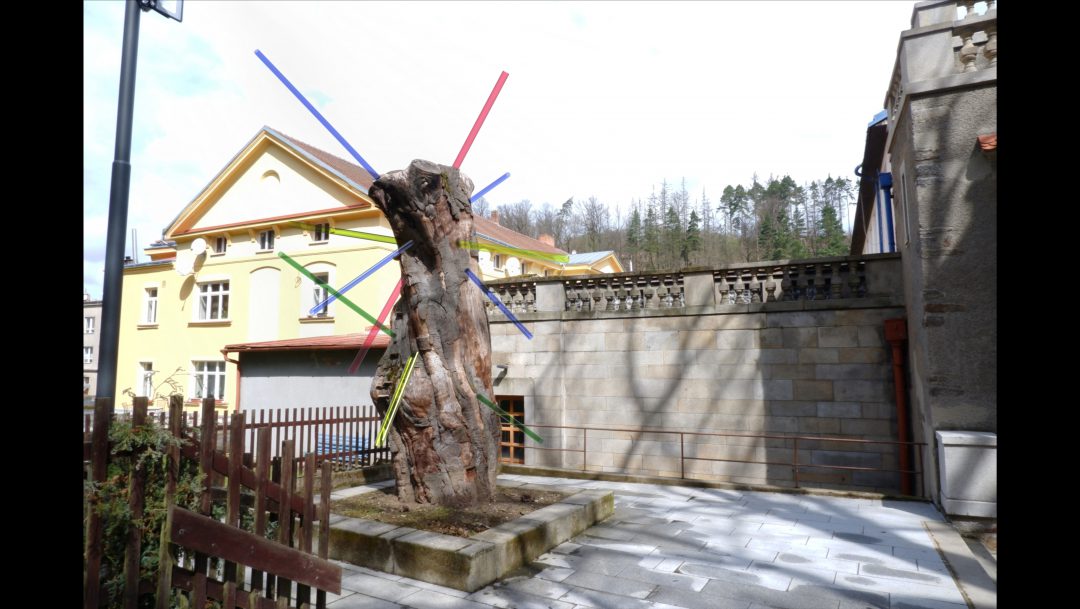
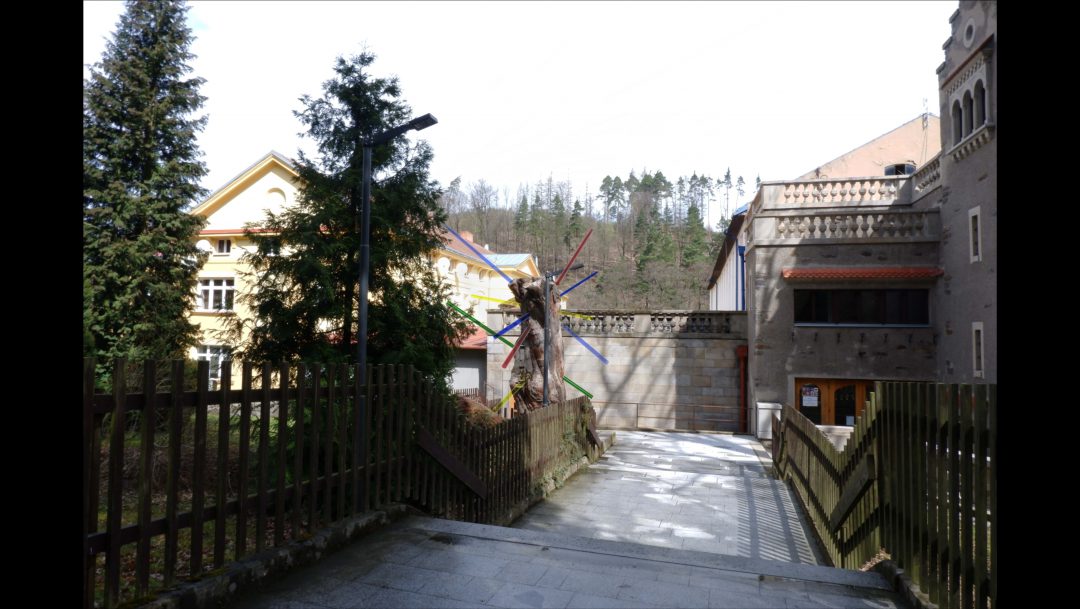
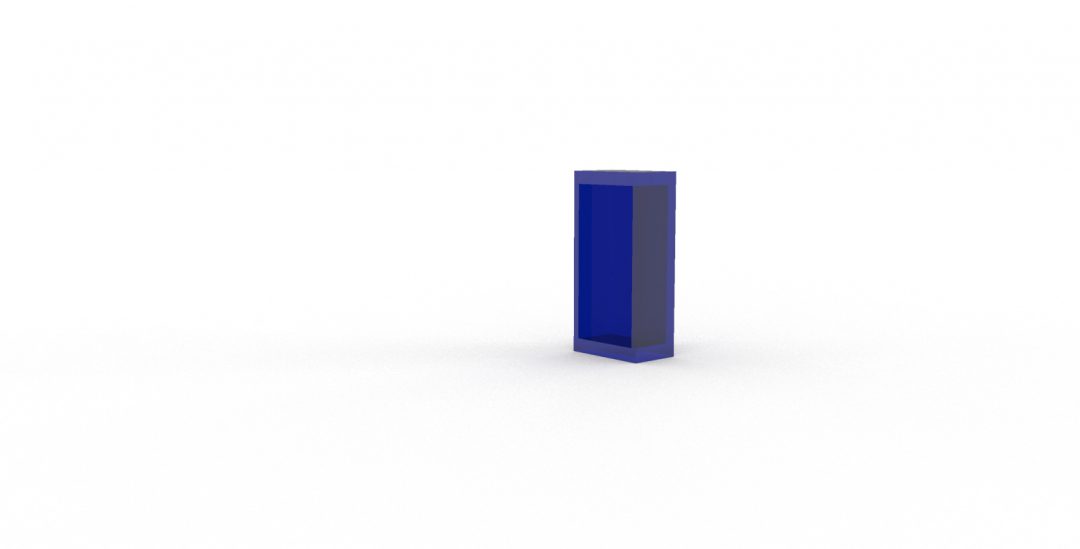
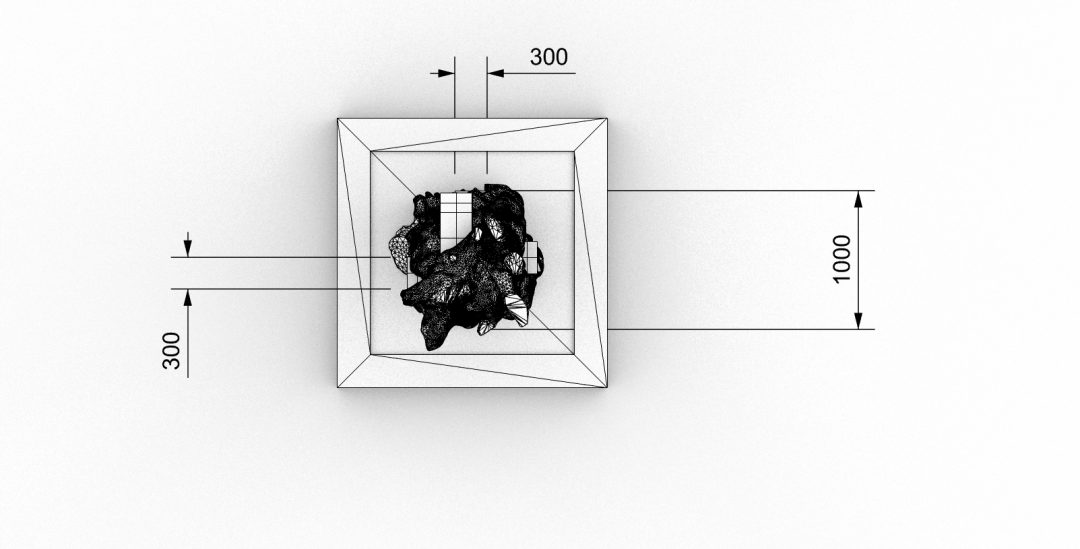
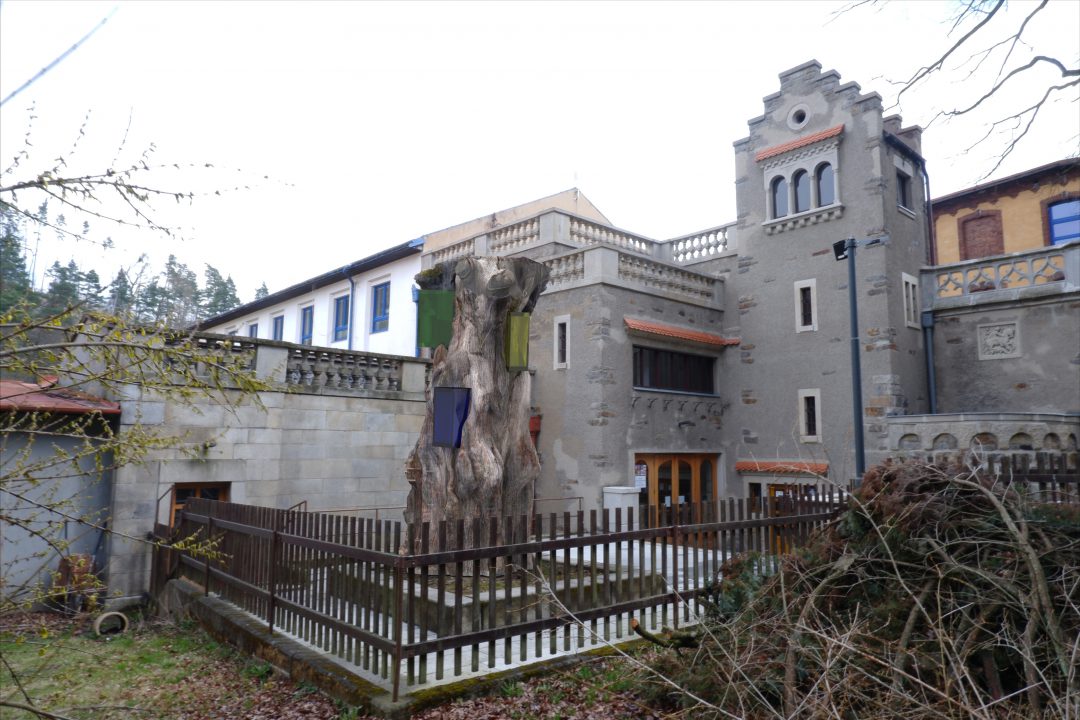
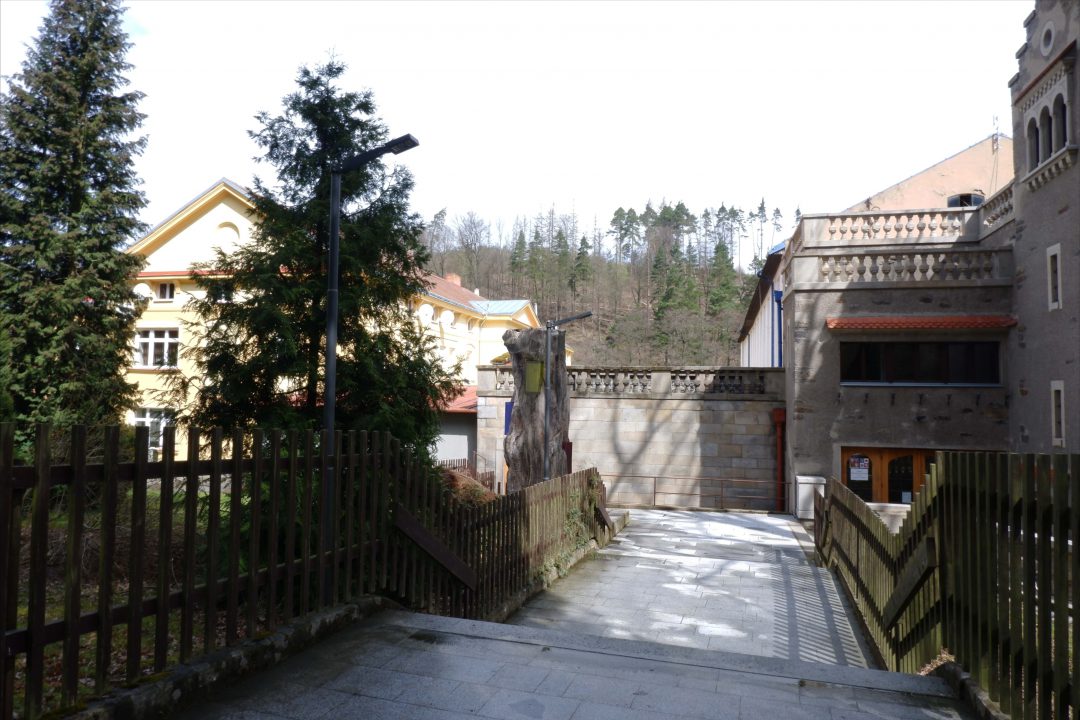
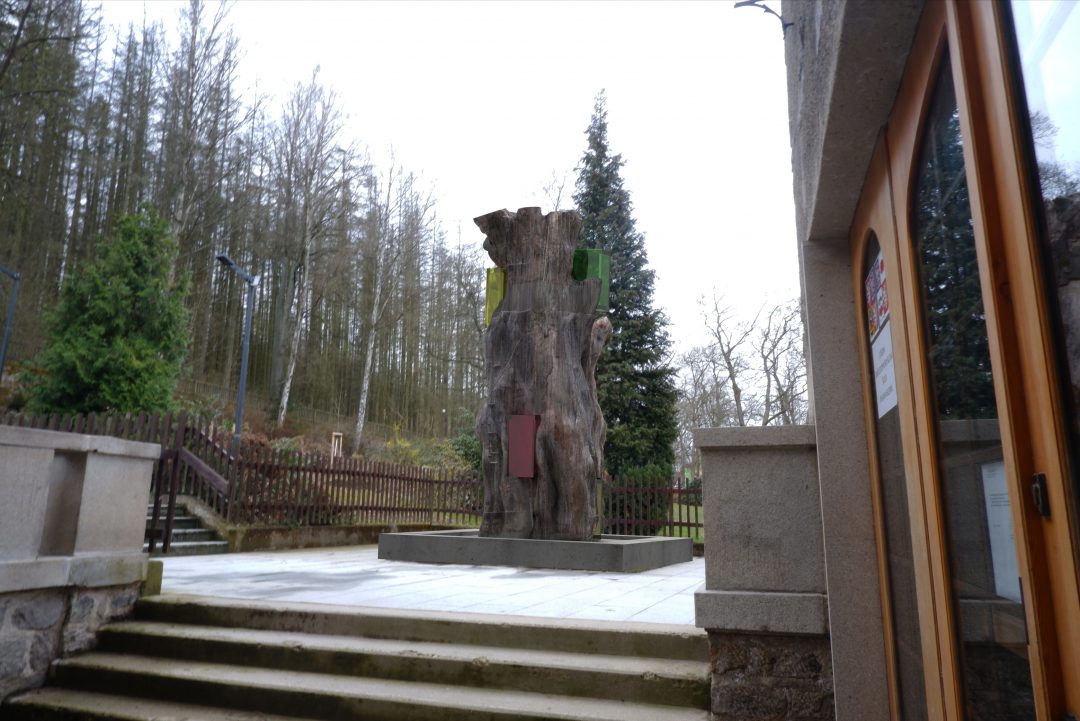
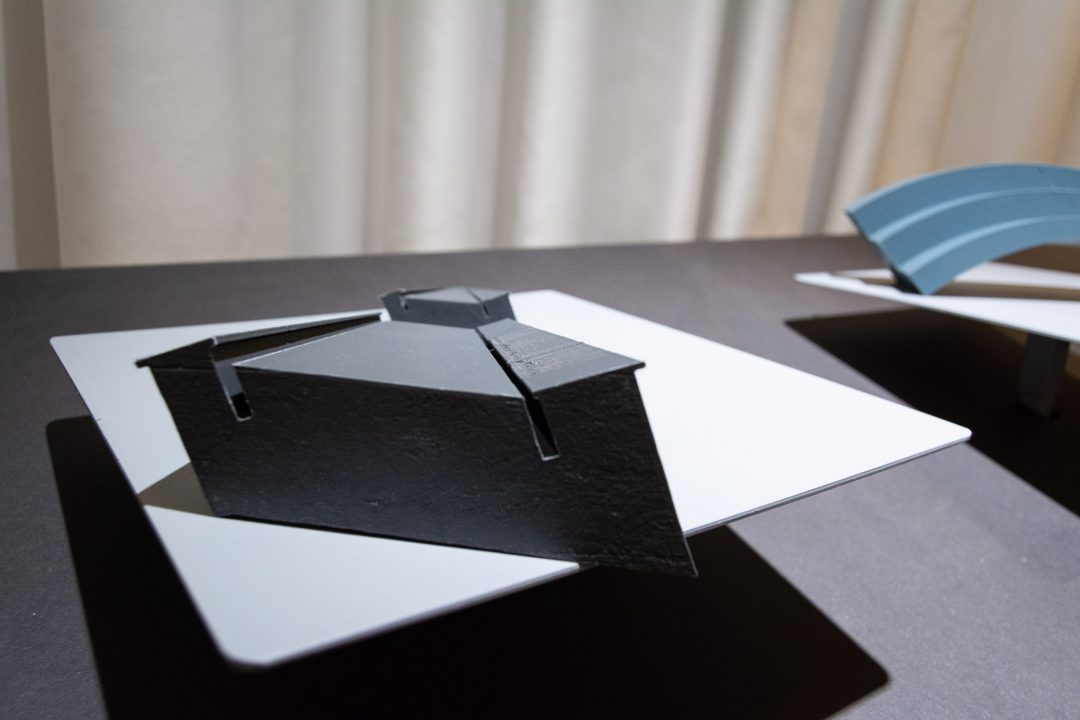
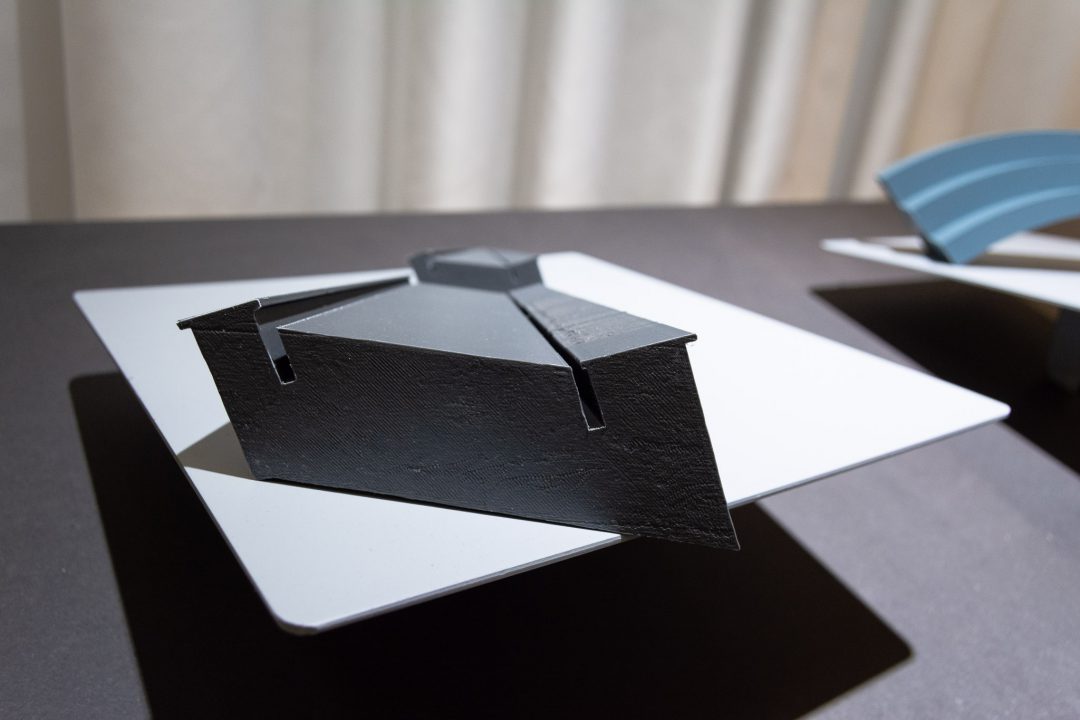
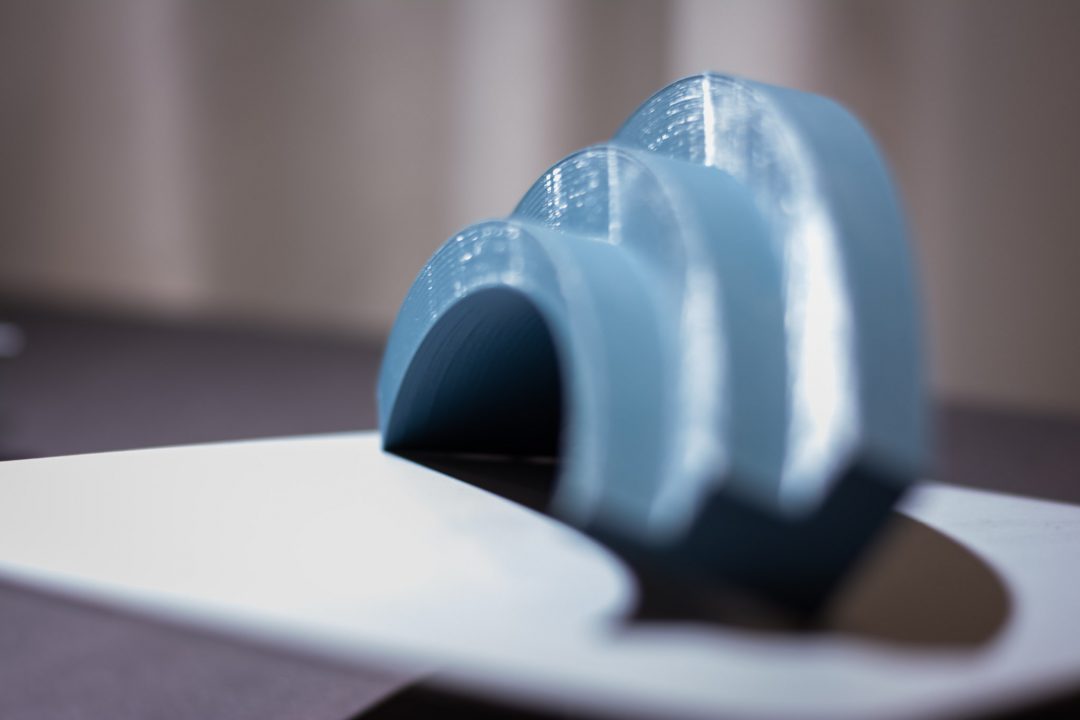
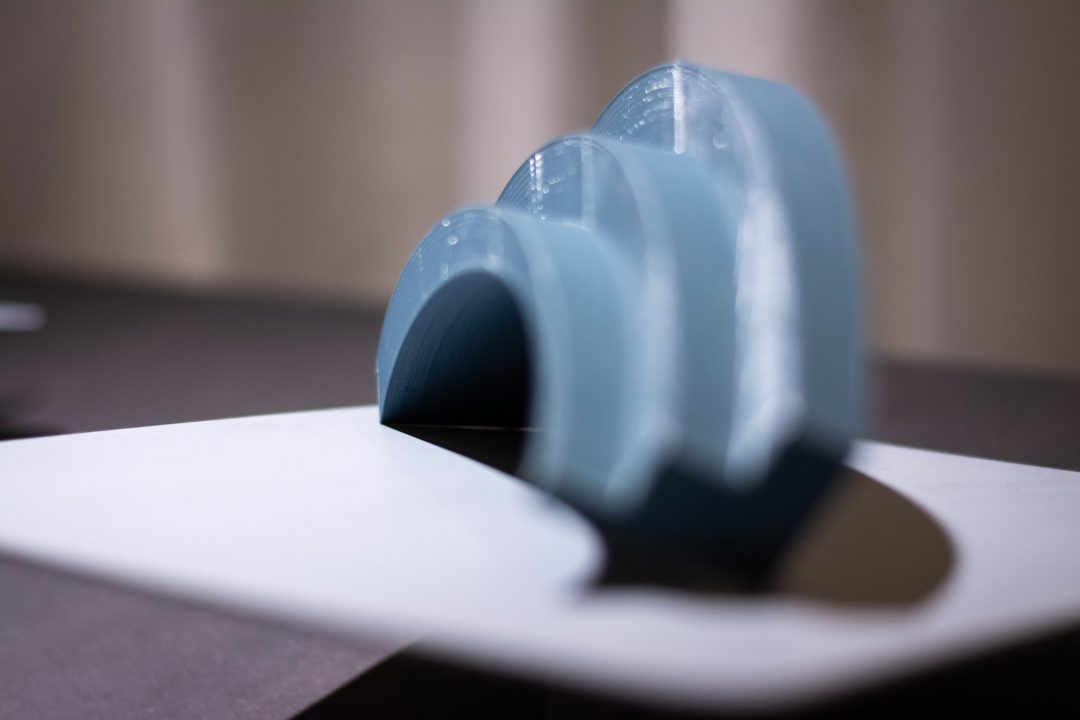
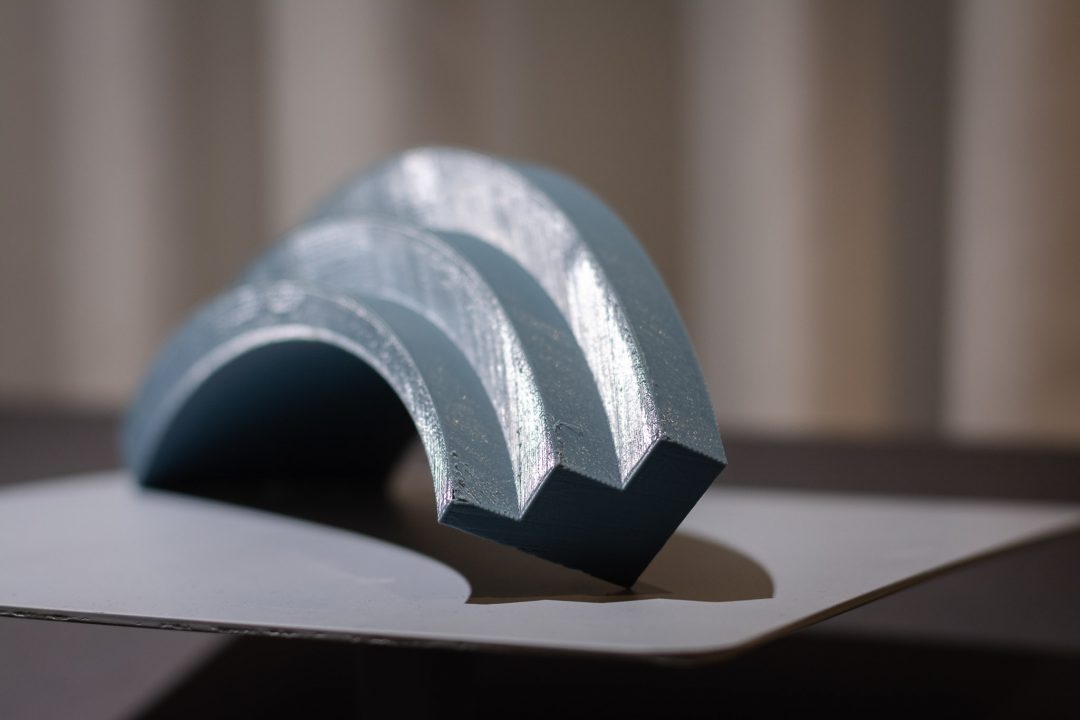
Visualization of proposal to competition to create Marie Restituta sculpture, Brno, 2023
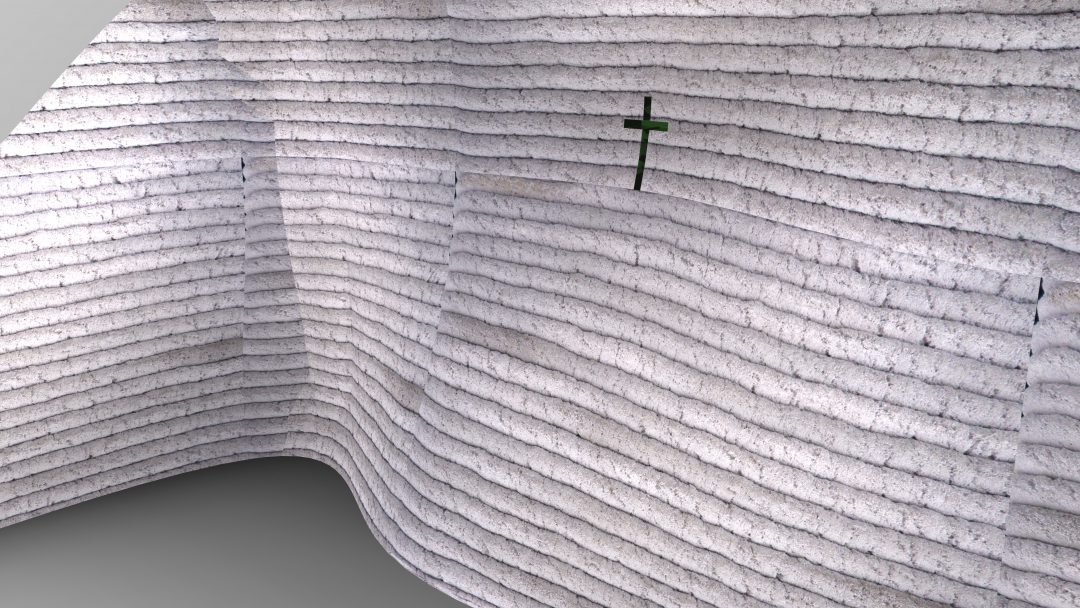
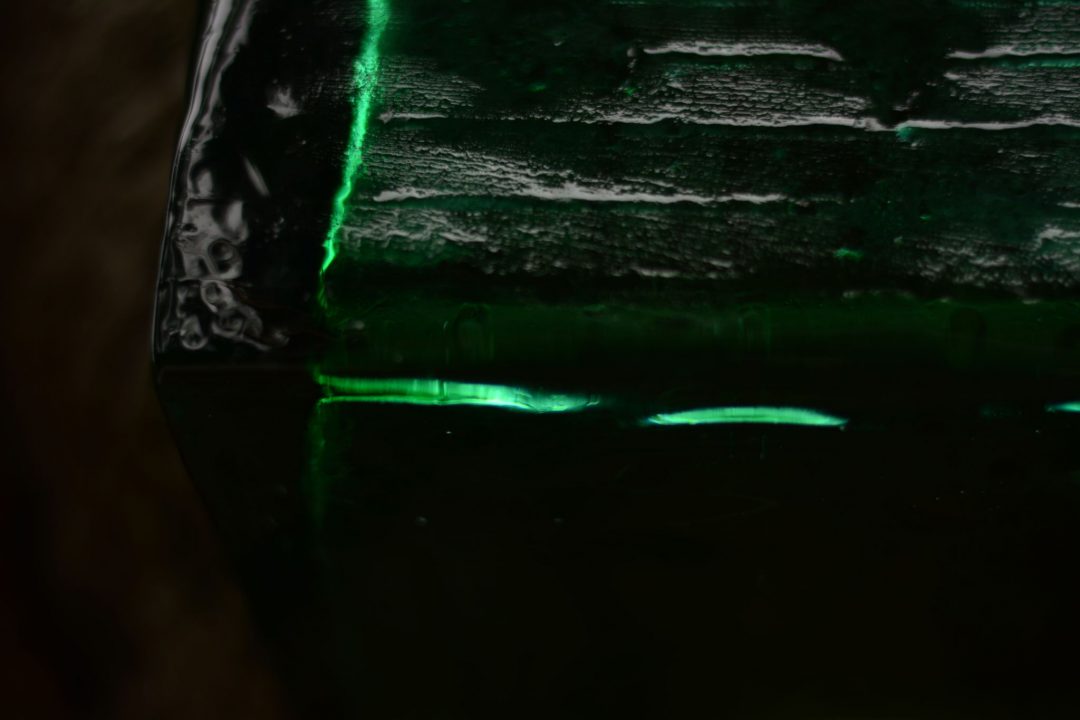
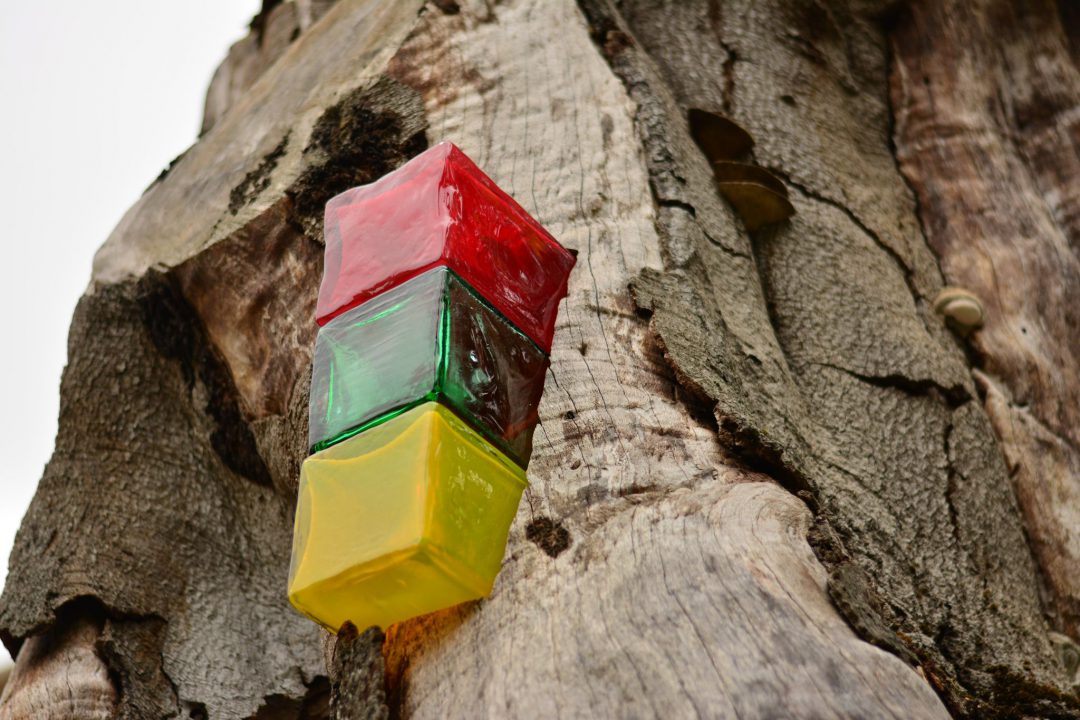
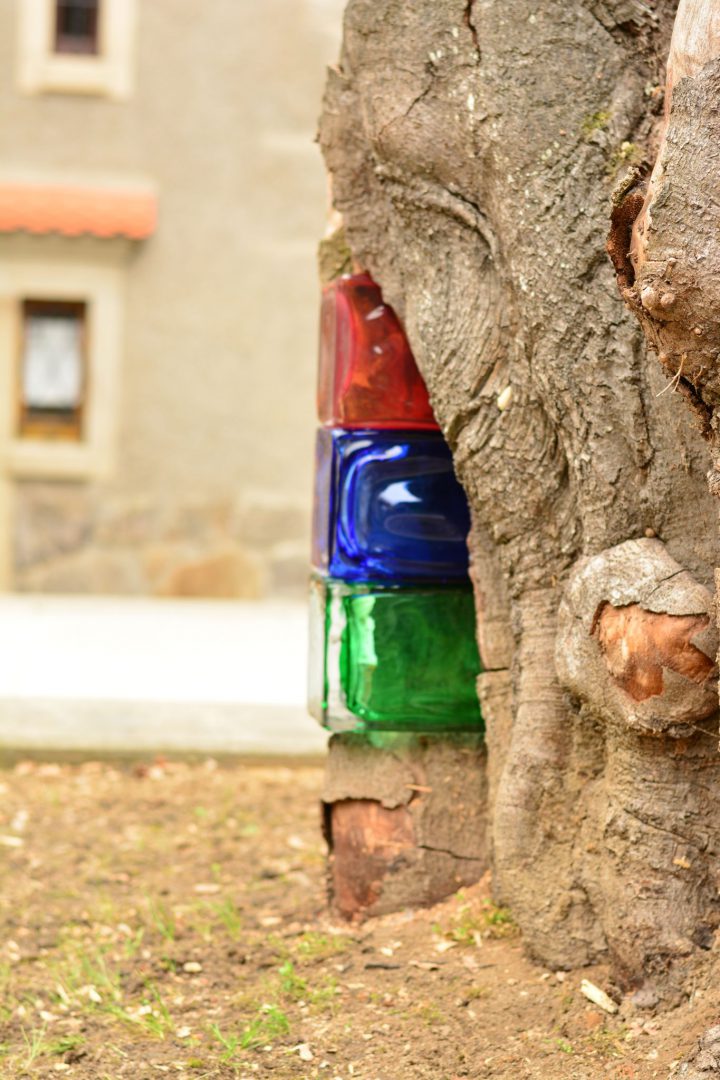
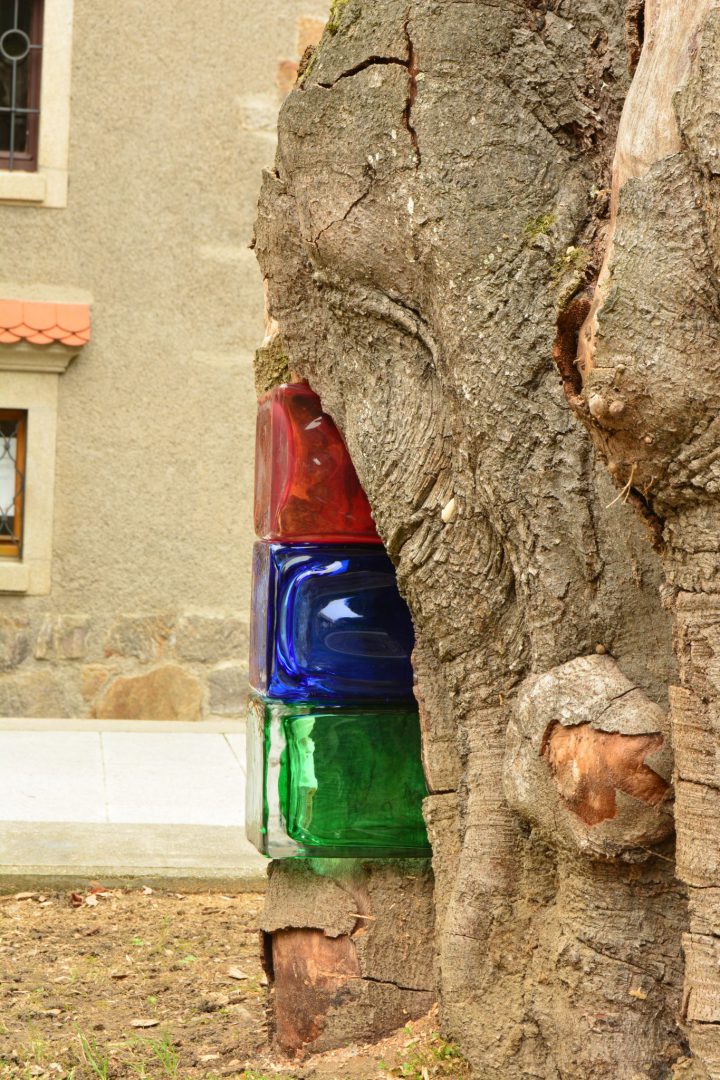
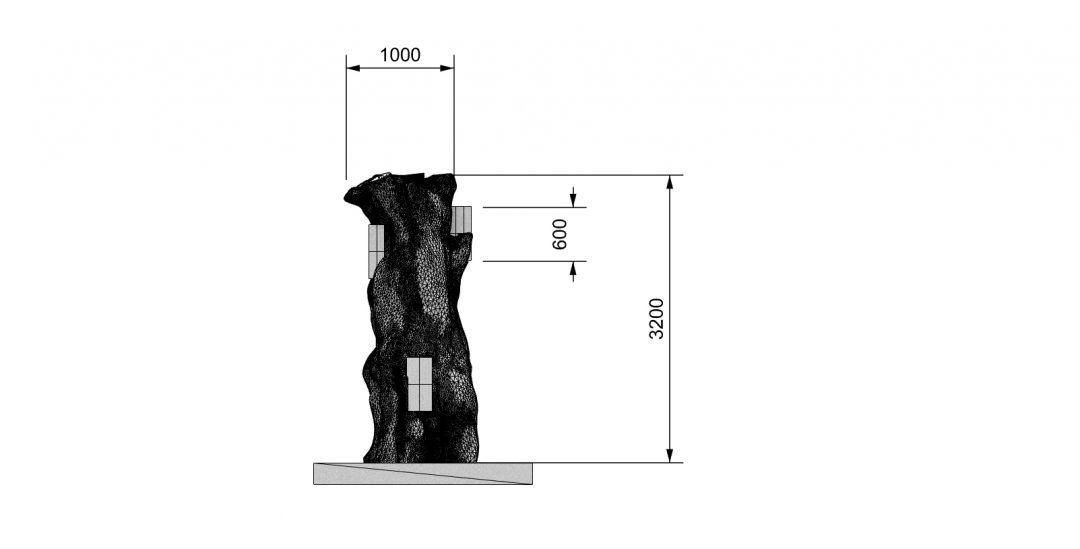
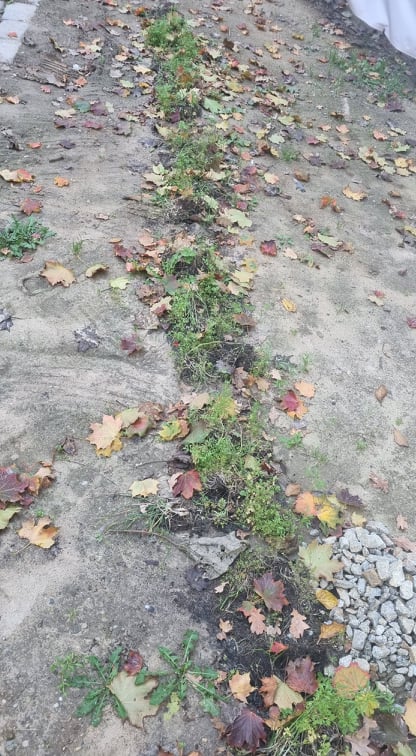
The main idea of the whole proposal is the imaginary connection of the statue with the nearby birthplace of Maria Restituta in Husovice, Brno. The dimensions of the statue are based on the layout of the house where she spent the first years of her life under the name Marie Kafková. The sculpture maintains the house’s aspect ratio on a reduced scale to fit more into the park’s designated location. More than an accurately represented house, it should be a place where it is possible to hide from the surroundings and can thus serve as a kind of reflection, contemplation or shelter from the surrounding world. The walls are cut so as not to create a completely enclosed space, but to connect the monument with the park. The technology of 3D printed concrete is chosen for the reason that, in imagination, the individual layers resemble the layering of time. In the individual layers of concrete, we can see the events and life’s sorrows that Maria Restituta encountered during her life. The undulations of the walls and the fluid form of the house are reminiscent of certain twists, journeys and sufferings in her life. Two glass crosses are placed in the walls, which symbolize her devotion to faith and refer to the incident when she refused to remove the symbols of faith from the walls of the hospital and thus came into conflict with the Nazi authorities. The crosses in the walls are made of green glass, as a reference to Marie Restituta’s fondness for beer, the glass should remotely resemble bottle glass in color. The crosses are placed so that they can be seen in or out, and their translucence should allow the sun’s rays to penetrate through.
Technical solution:
The memorial consists of two L-shaped walls, which will be 3D printed from concrete. L shape measures: 4360mmX2630mm, wall thickness 100mm, each wall consists of 2 layers of print with a diameter of 50-70mm. Concrete foundations must be placed under the wall in strips 500 mm wide and 800 mm deep.
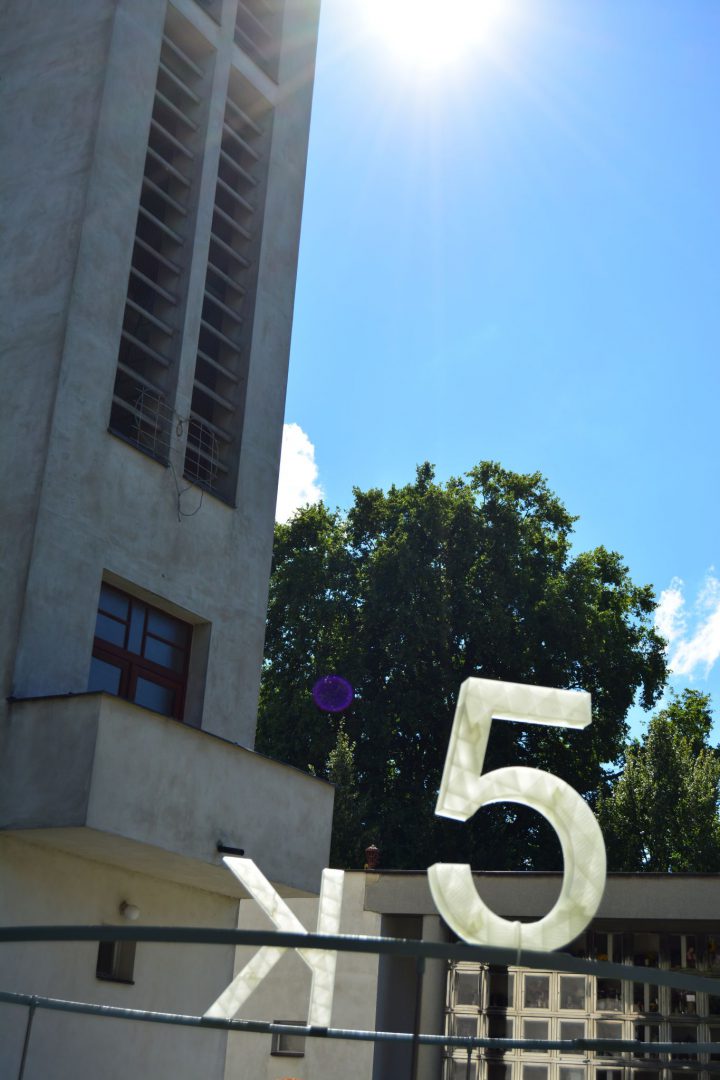
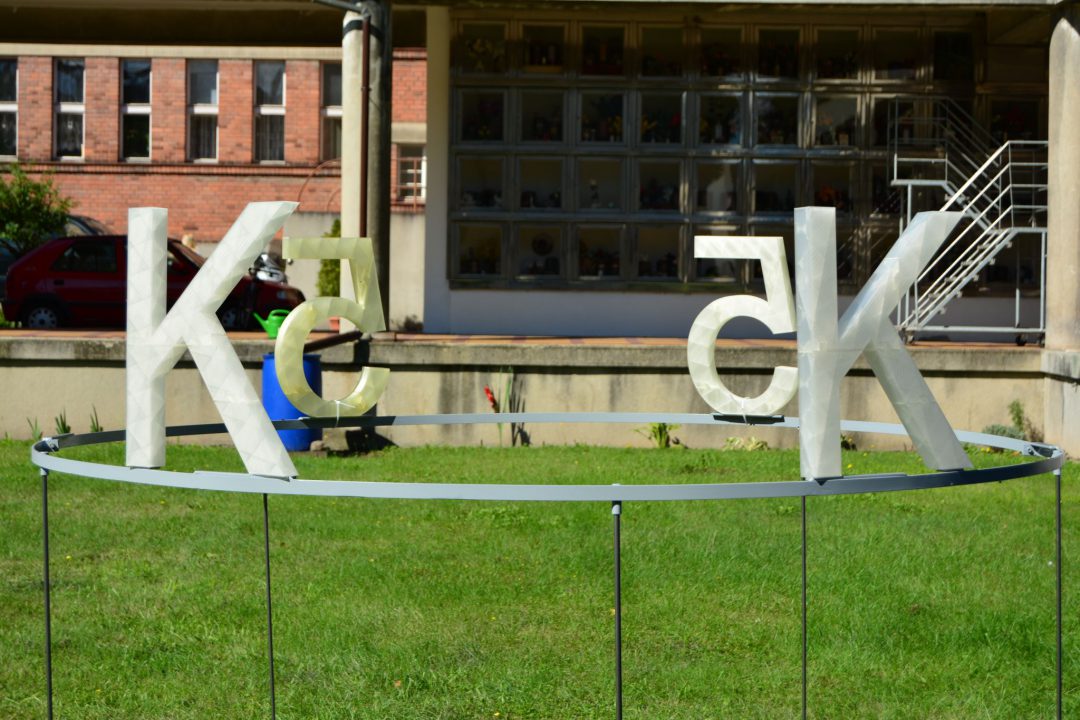
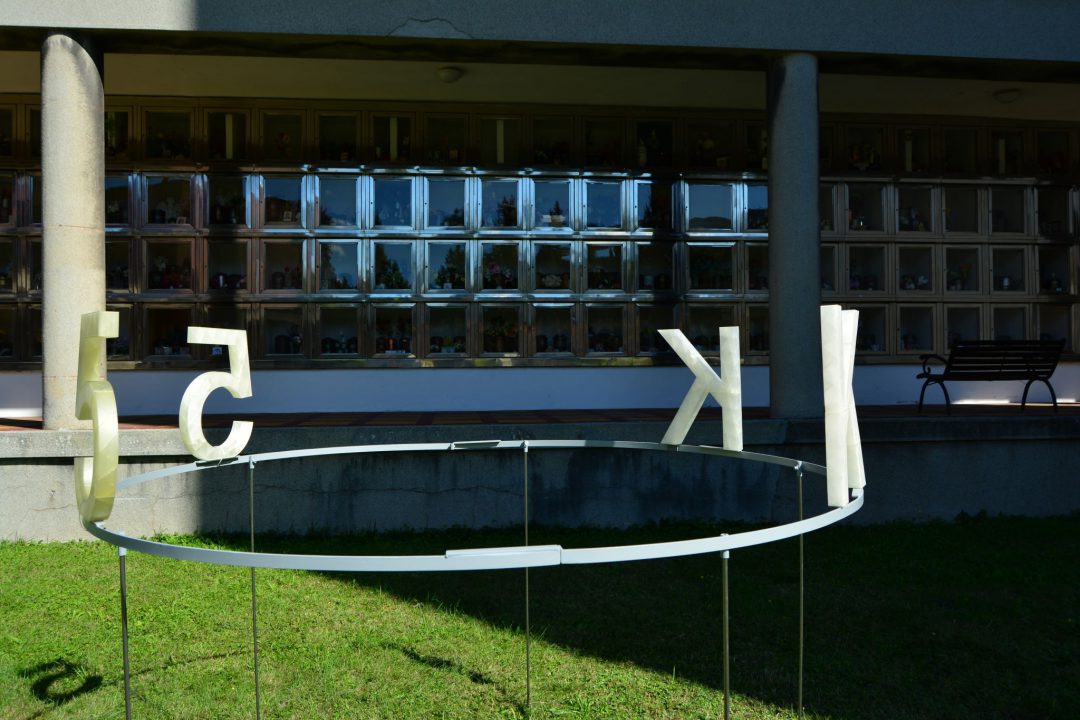
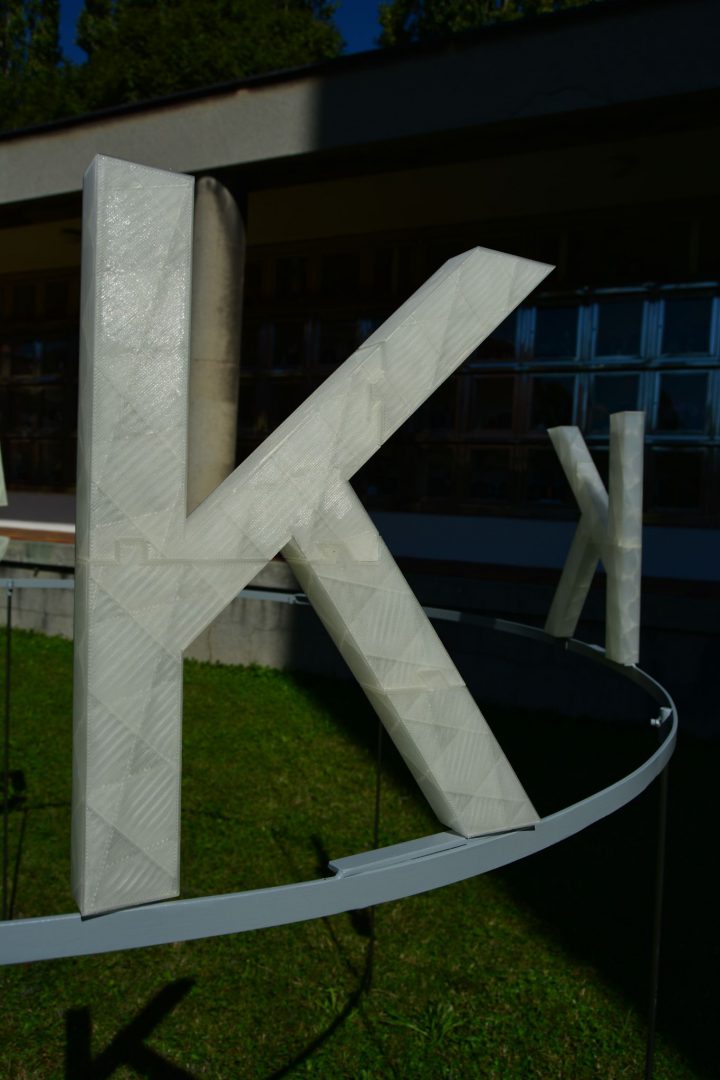
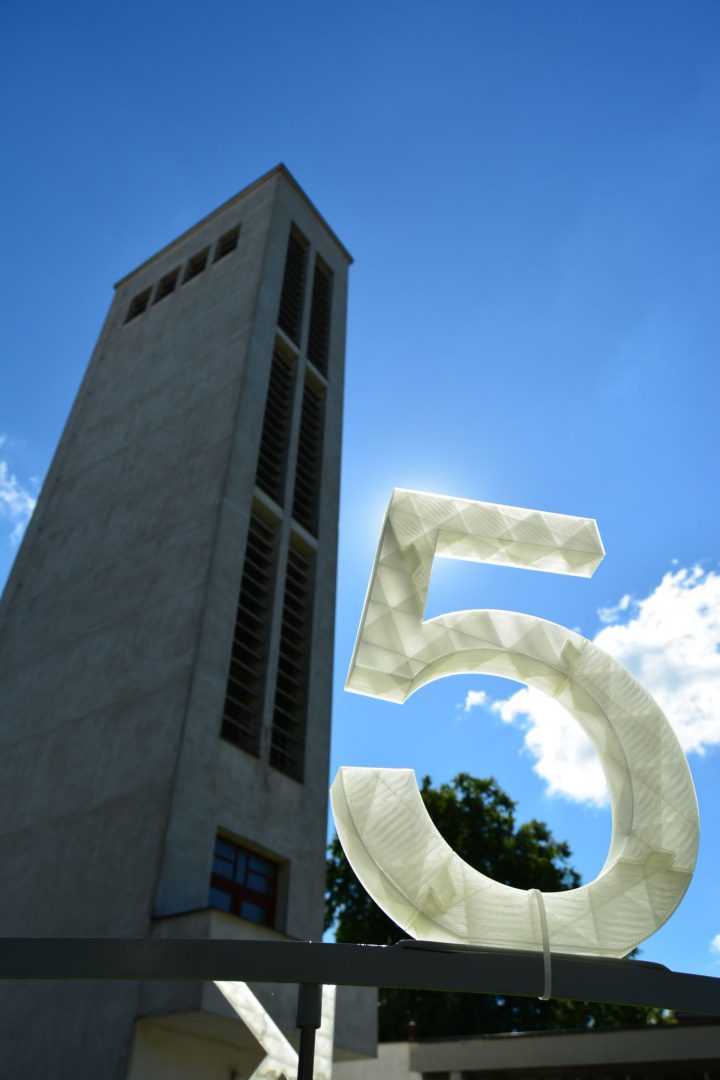
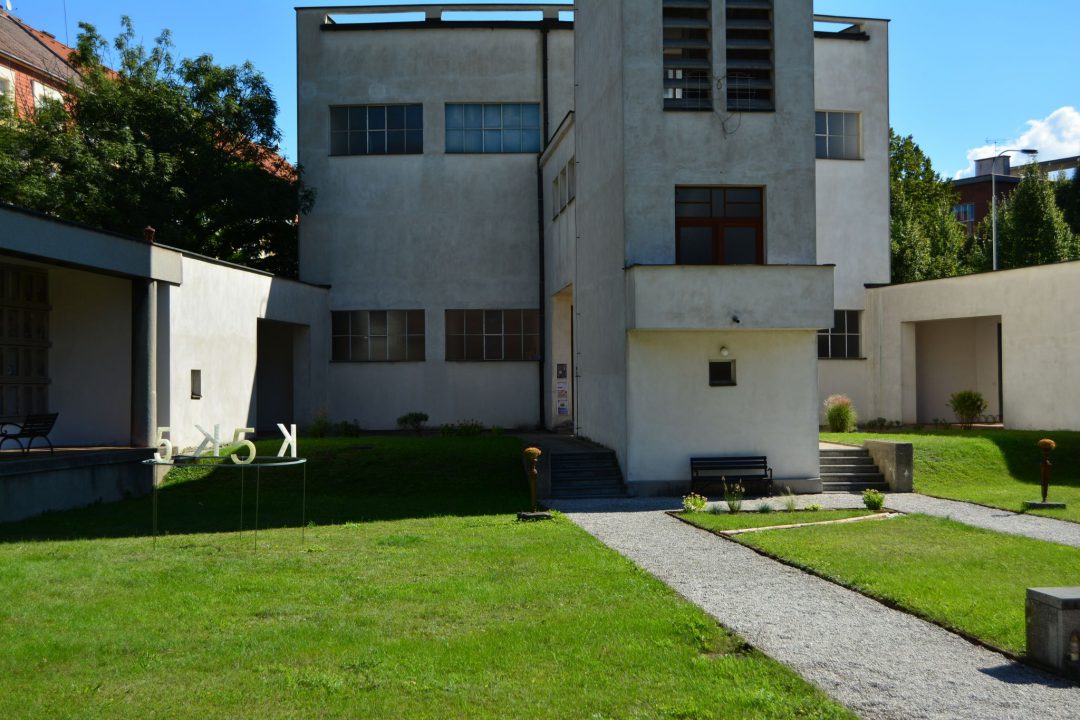
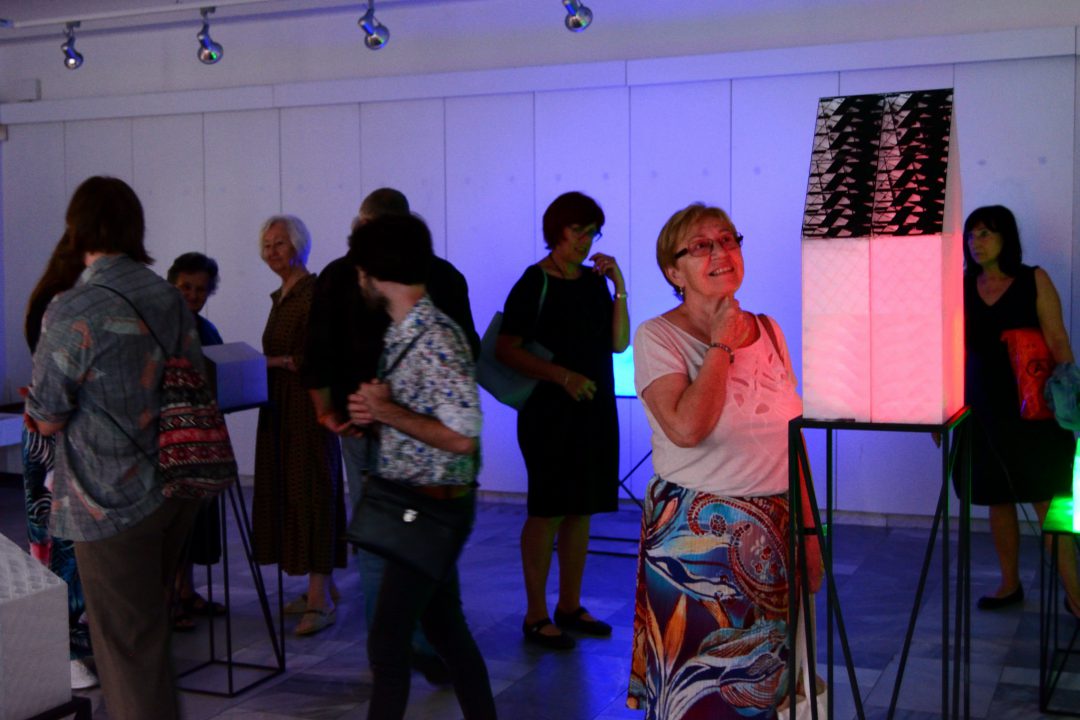
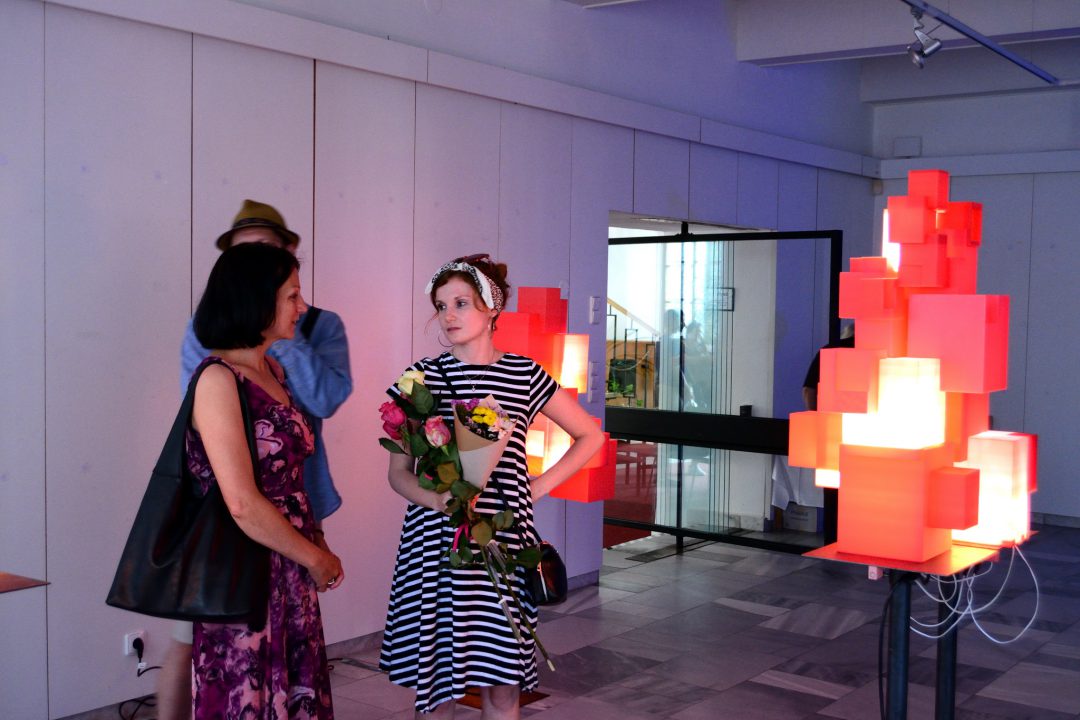
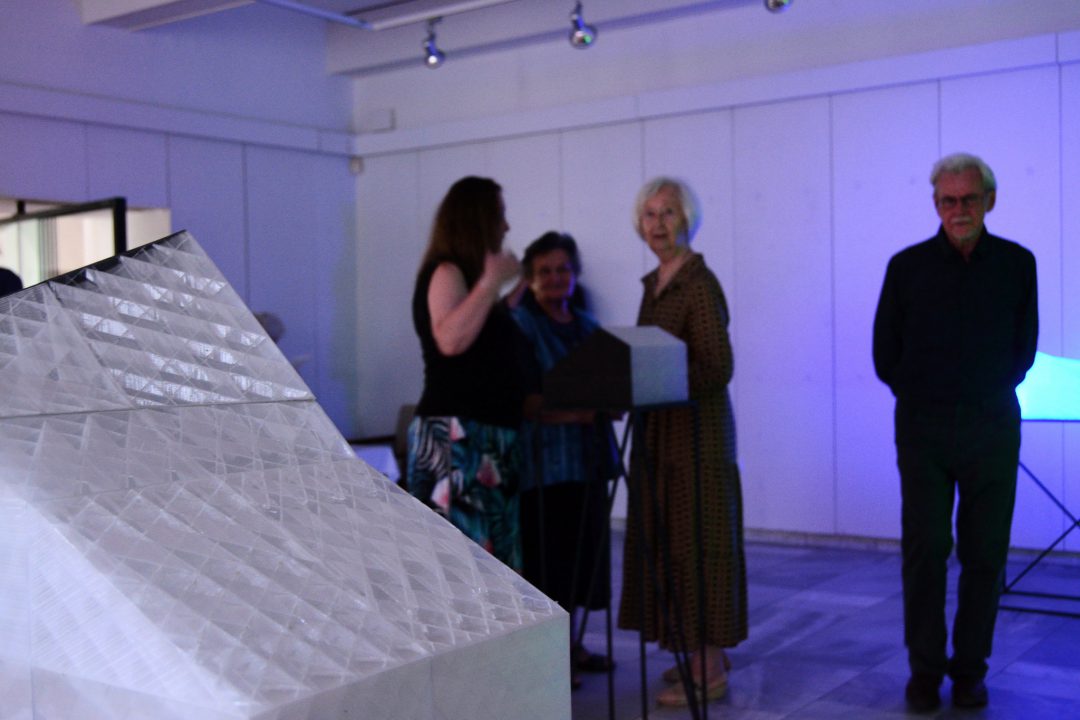
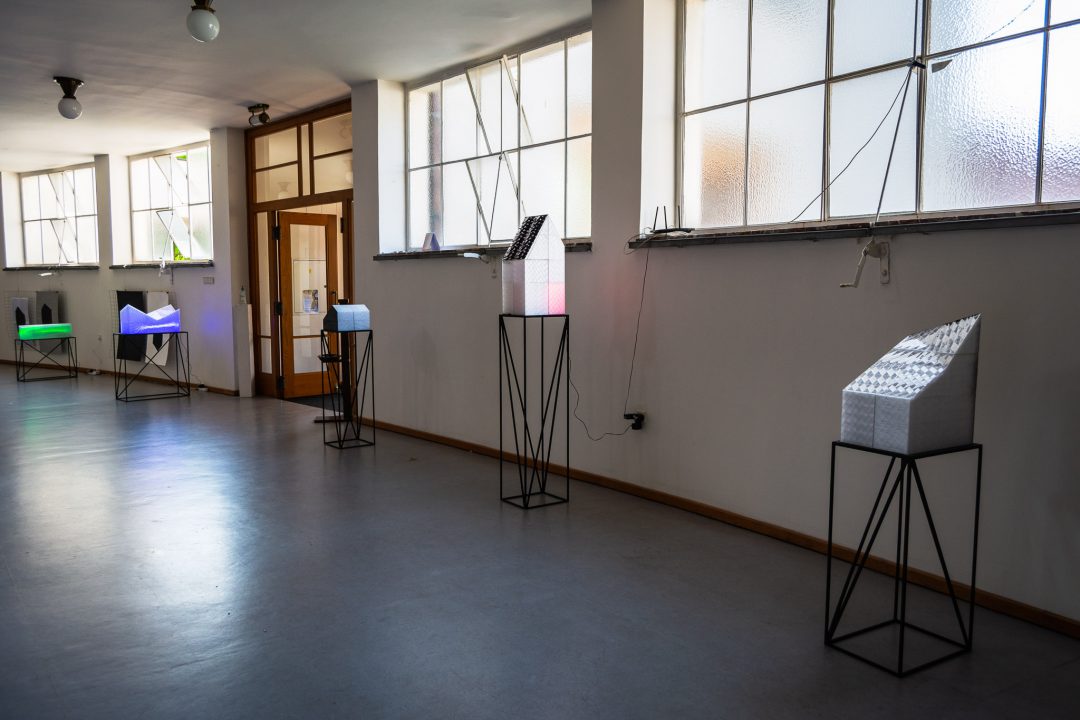
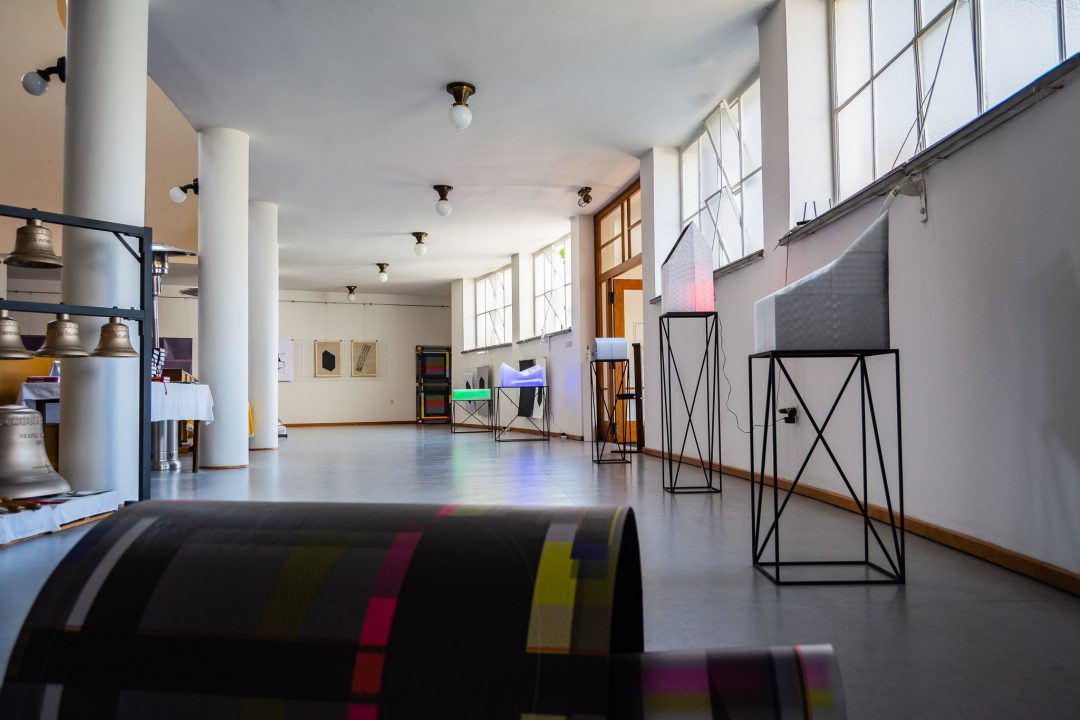
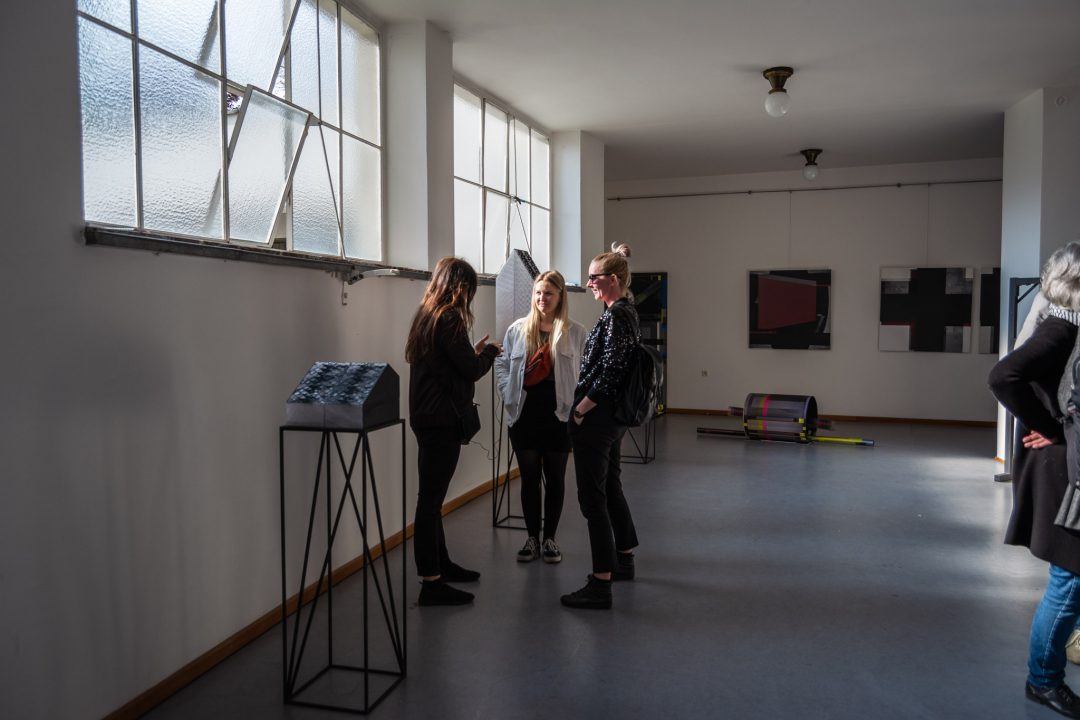
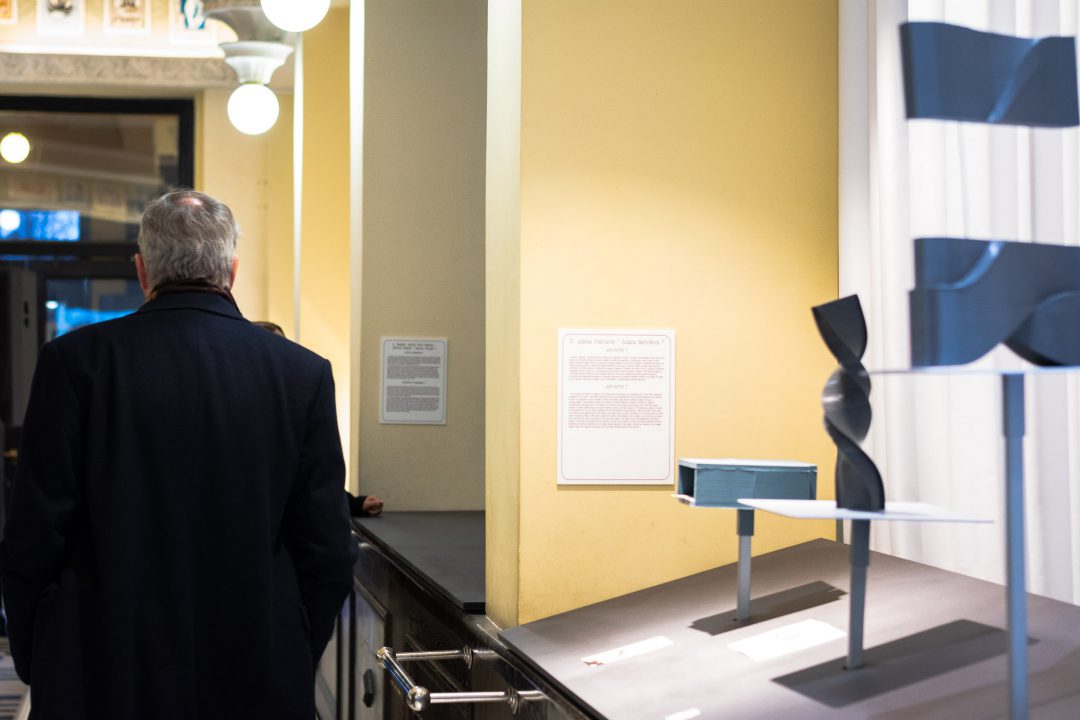
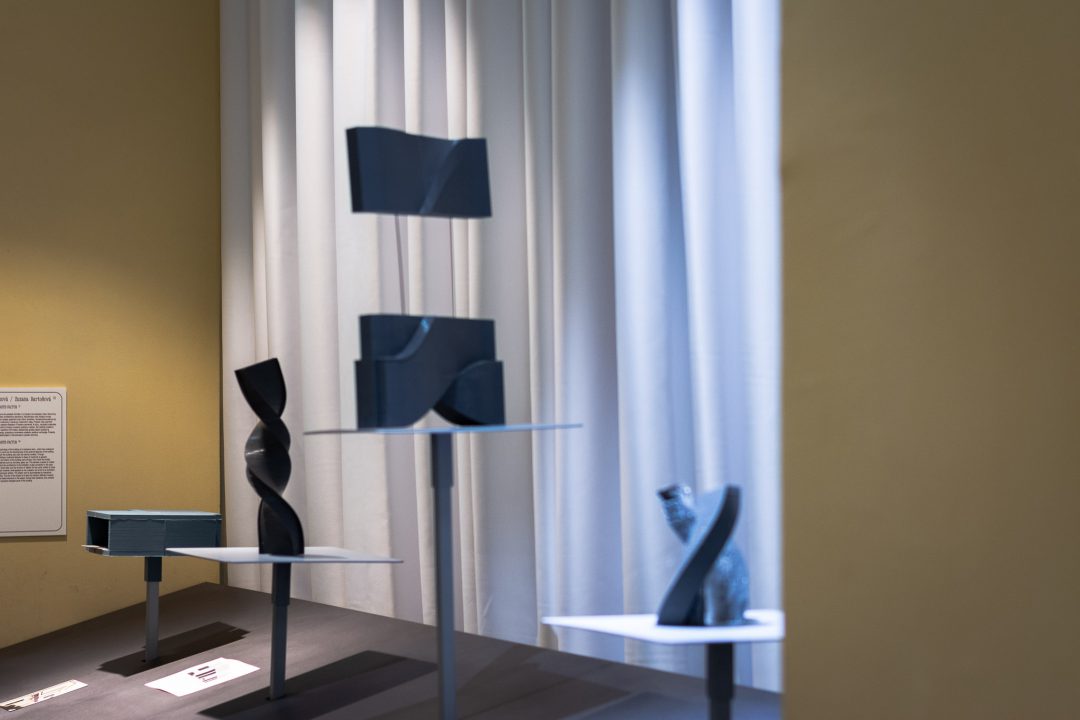
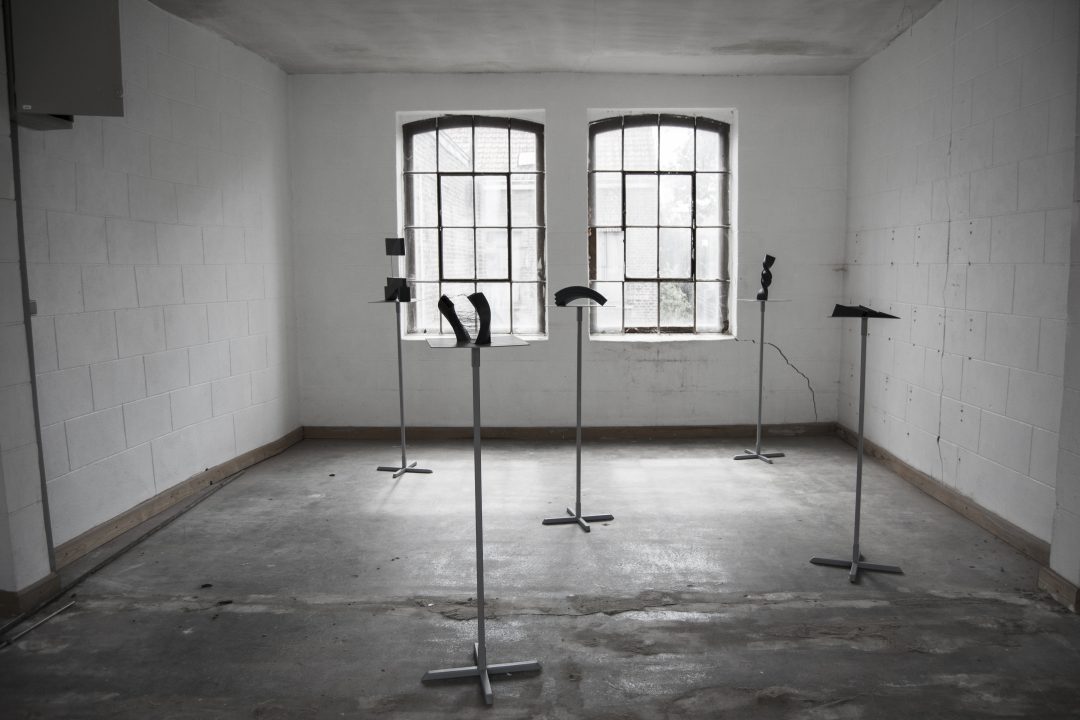
Installation for the 55th anniversary of the Concrete Artists club, joint exhibition with Andrea Uváčiková in front of the AMB gallery, Hradec Králové, 2022 and installation in the Artičok gallery
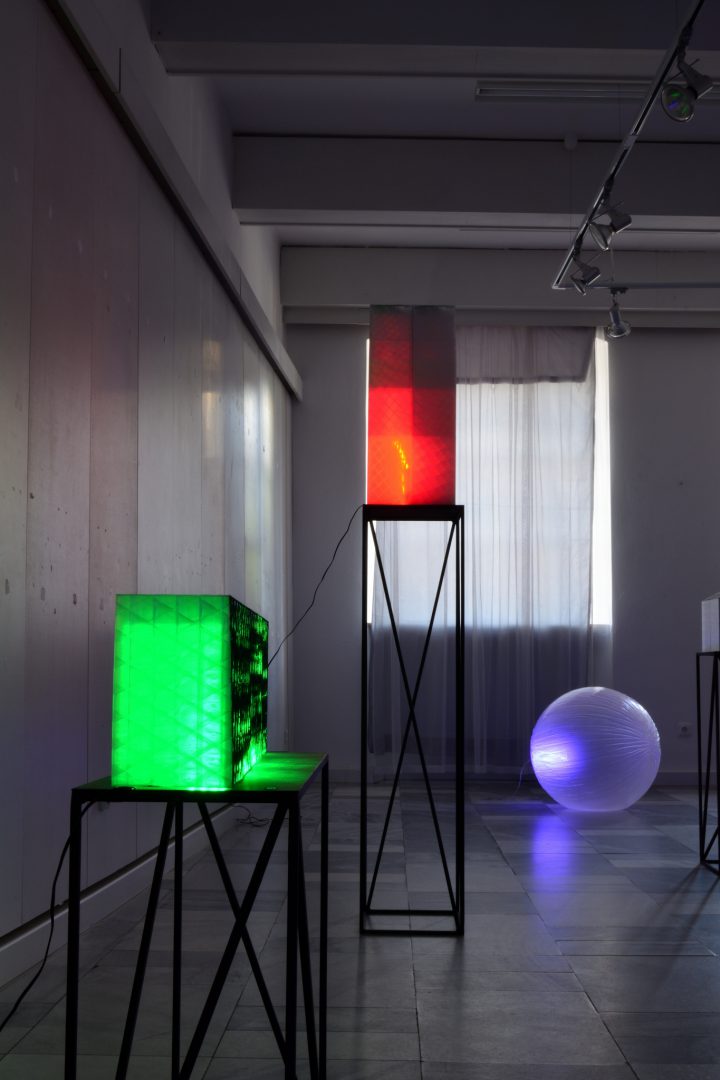
Light object, solo exhibition, Old Town Hall gallery. Žďár nad Sázavou, 2022
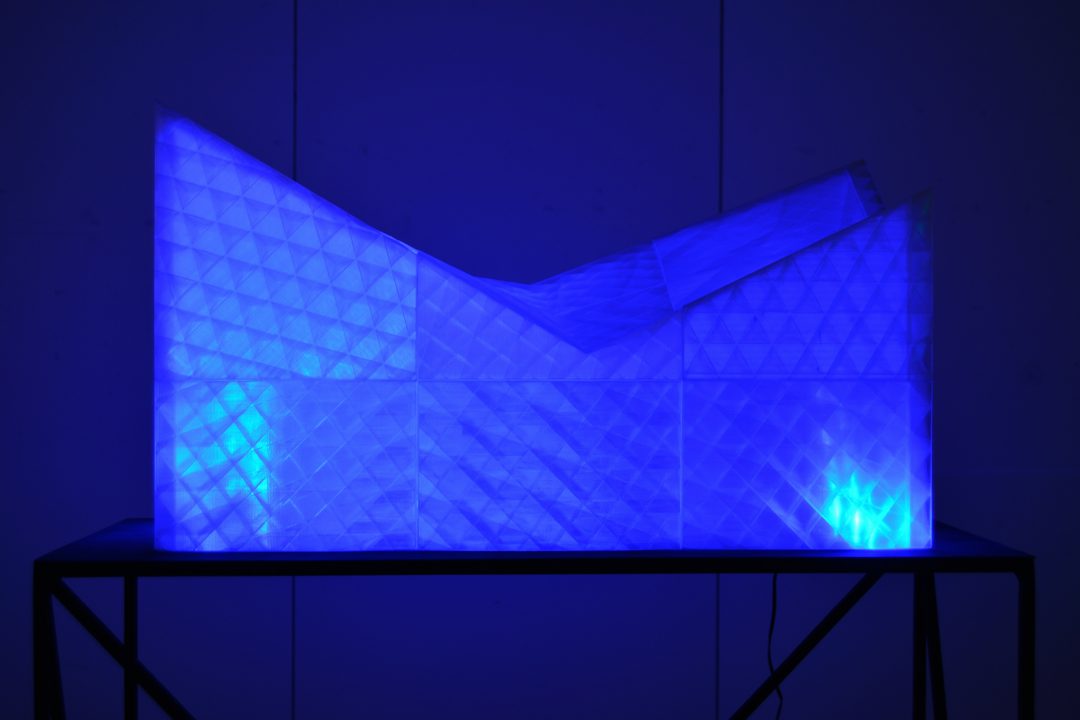
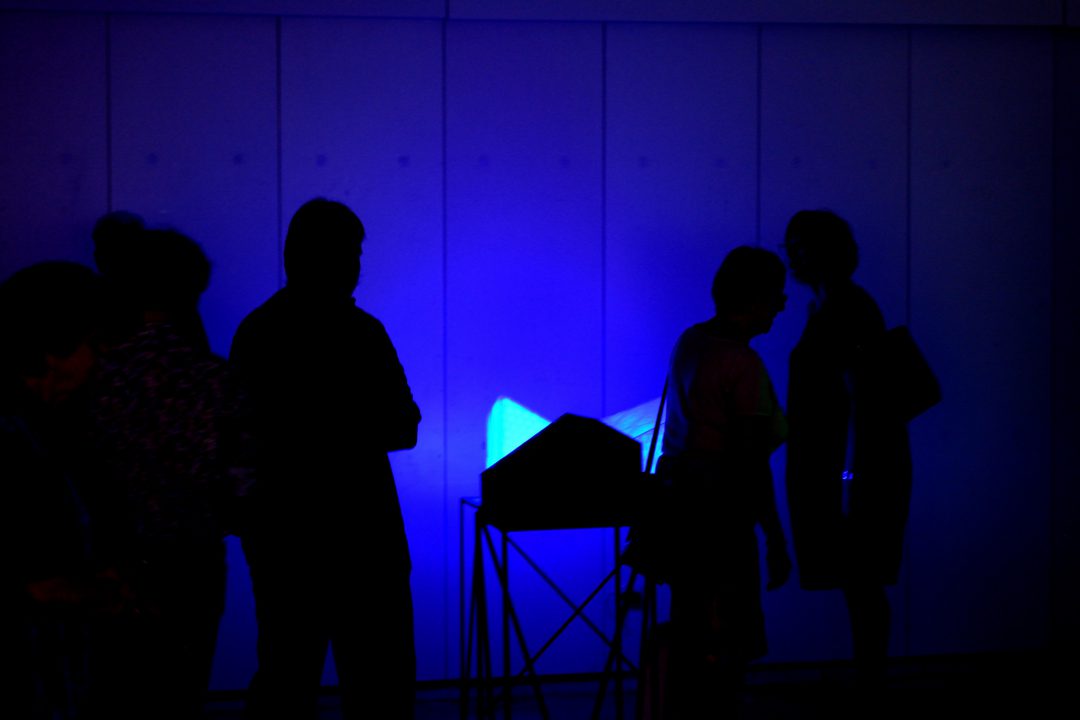
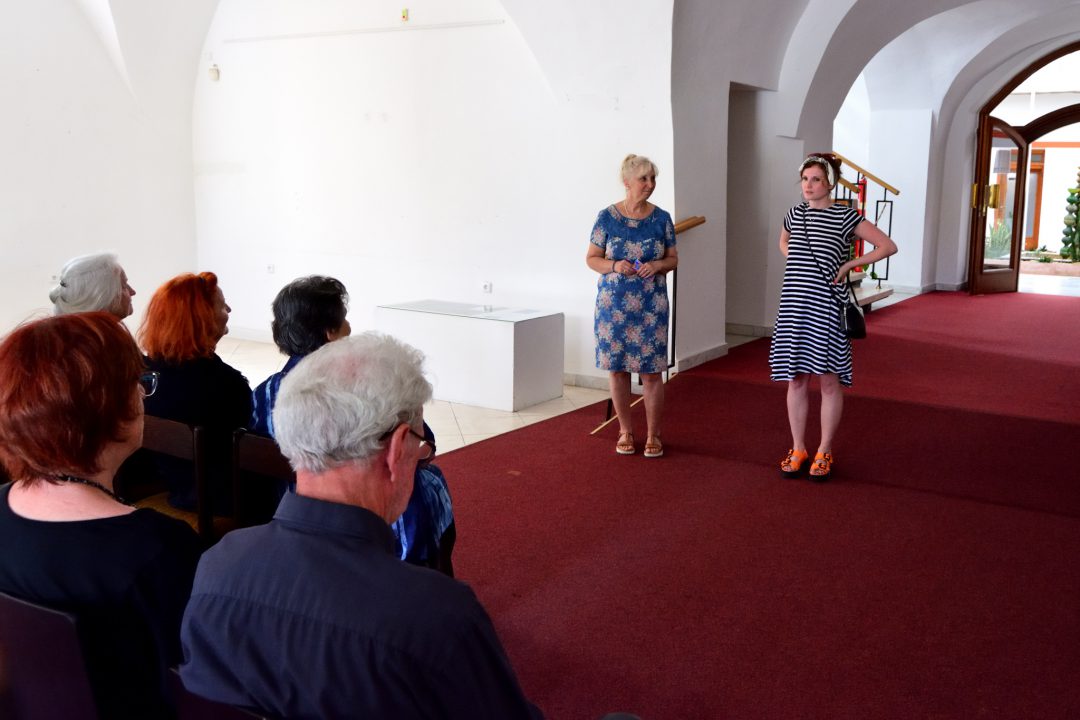
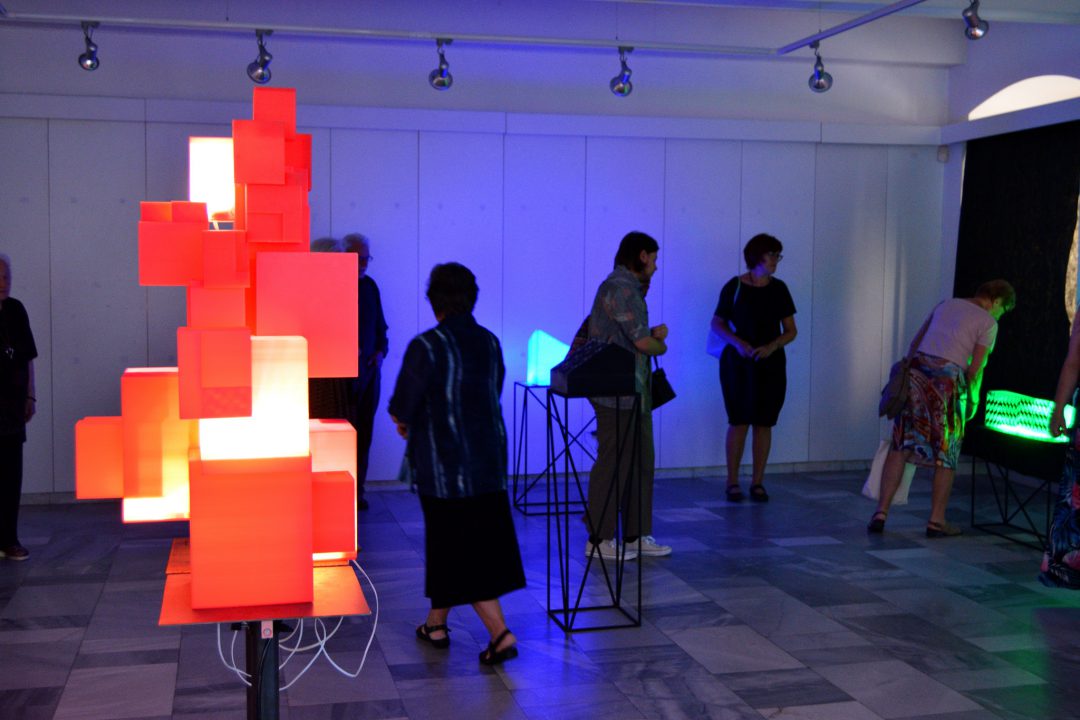
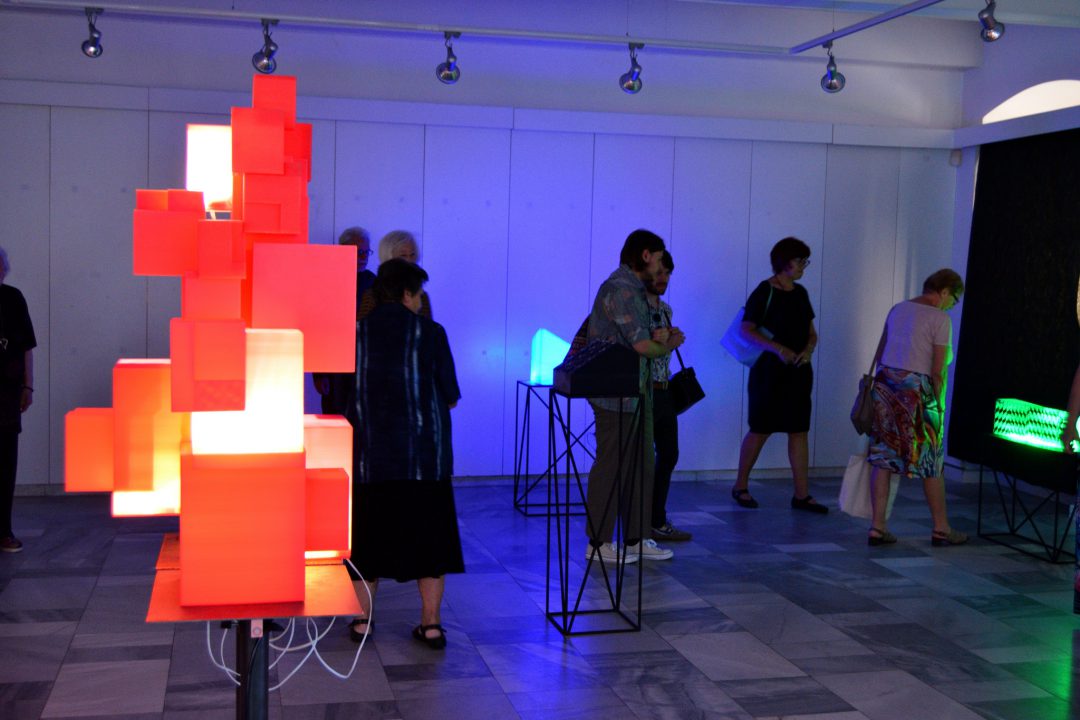
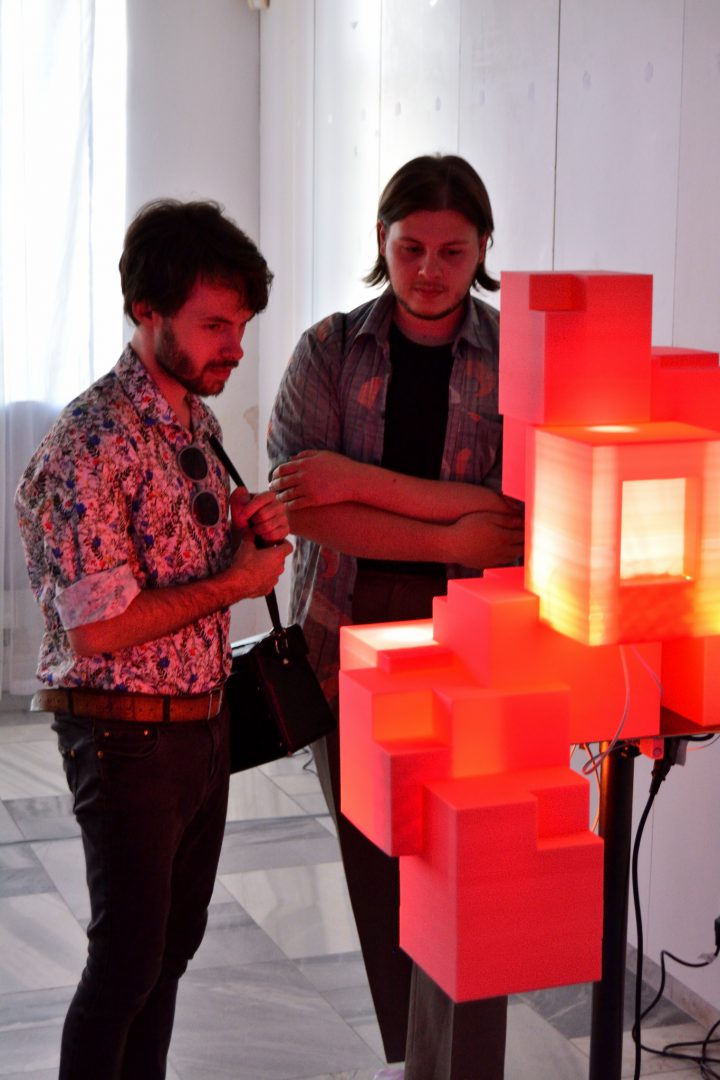
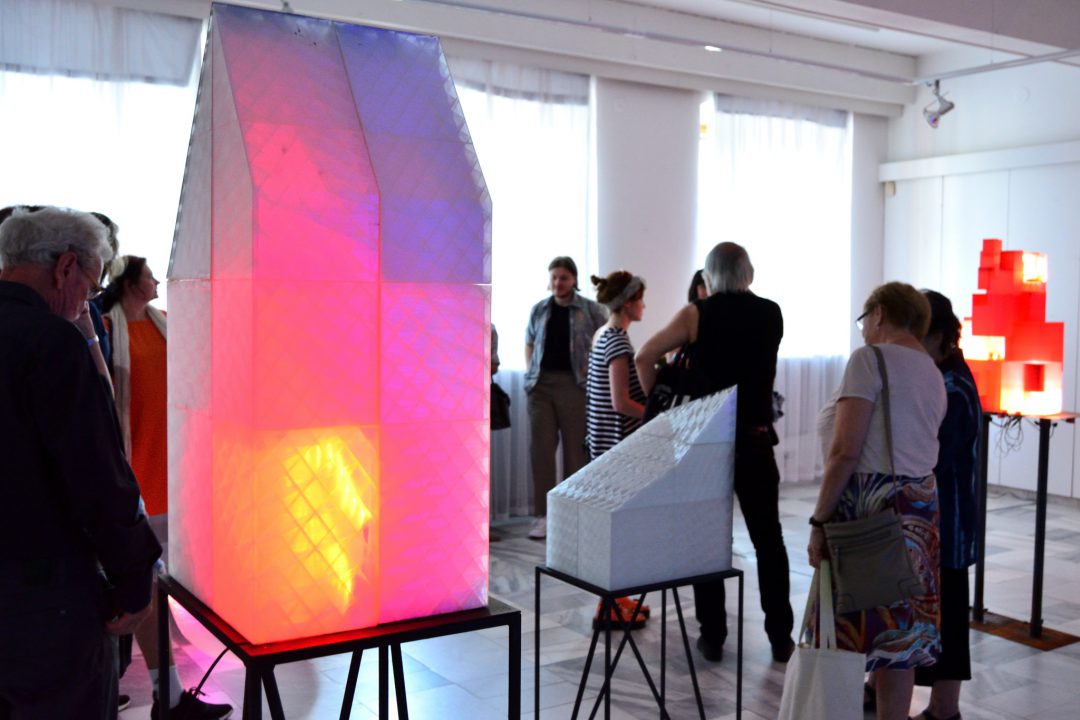
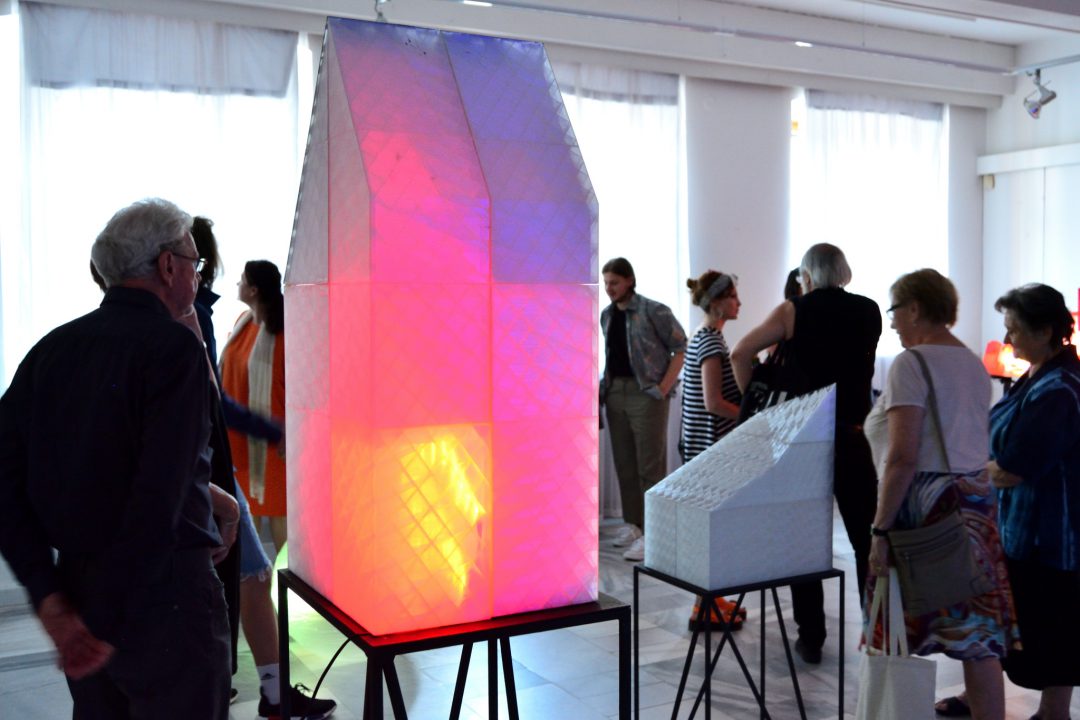
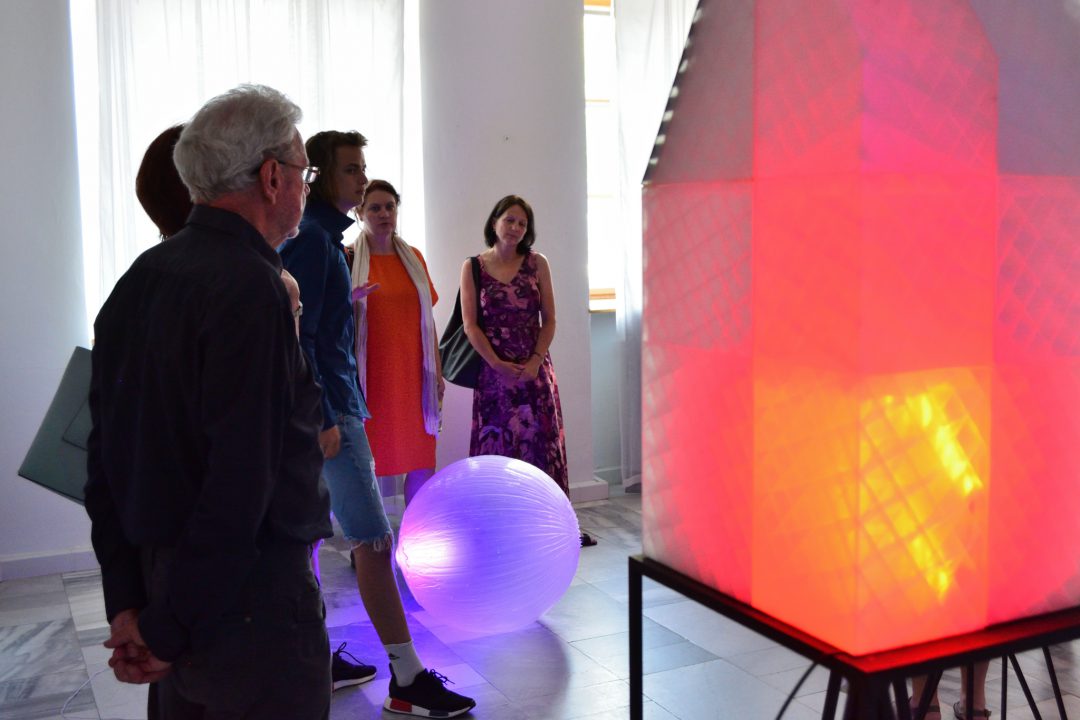
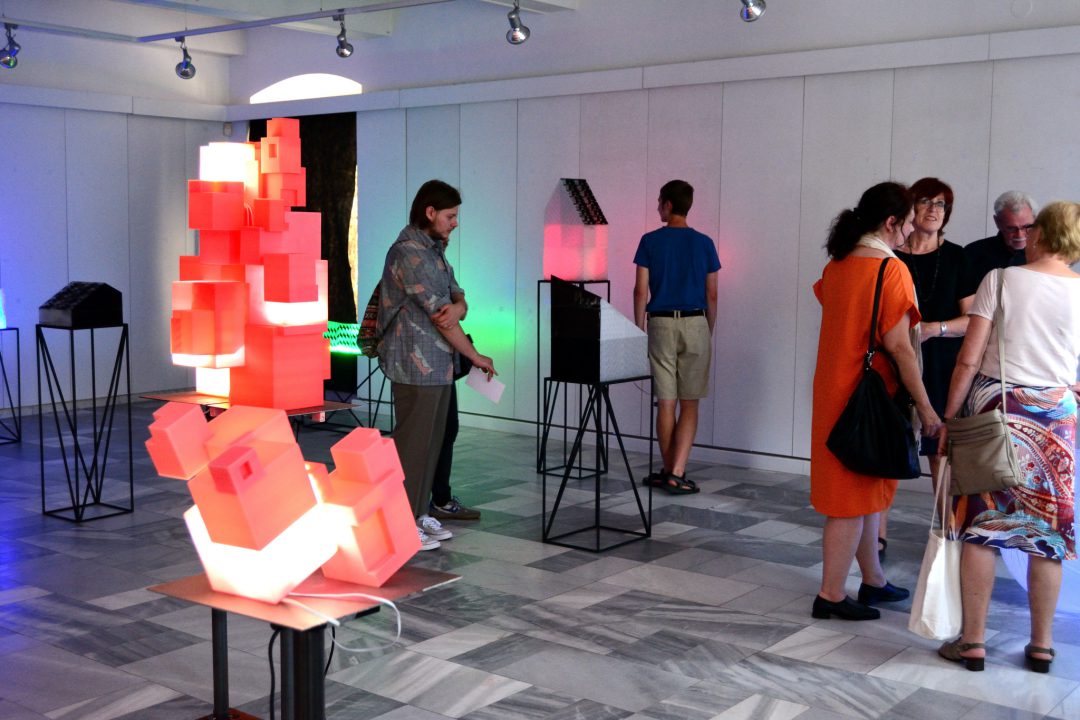
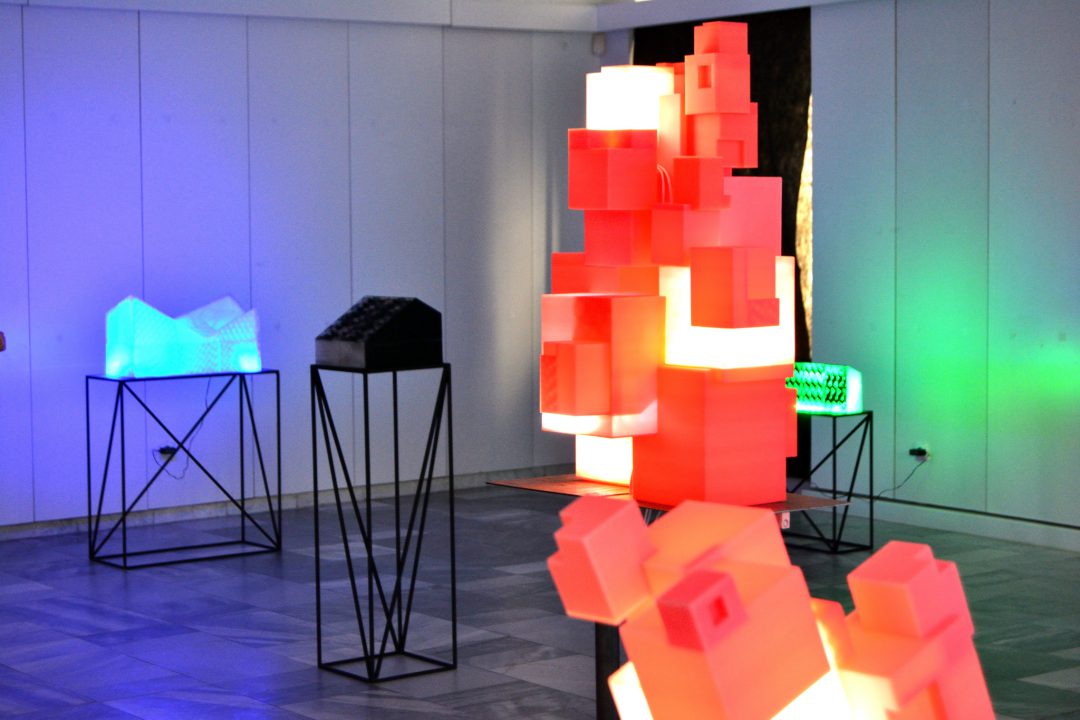
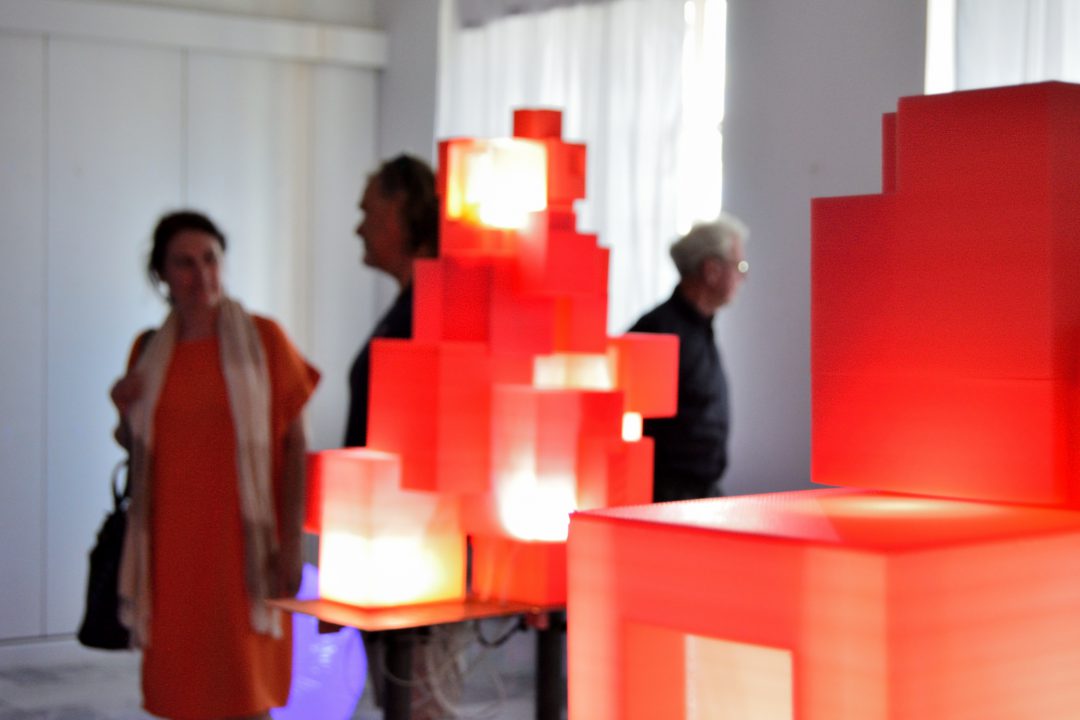
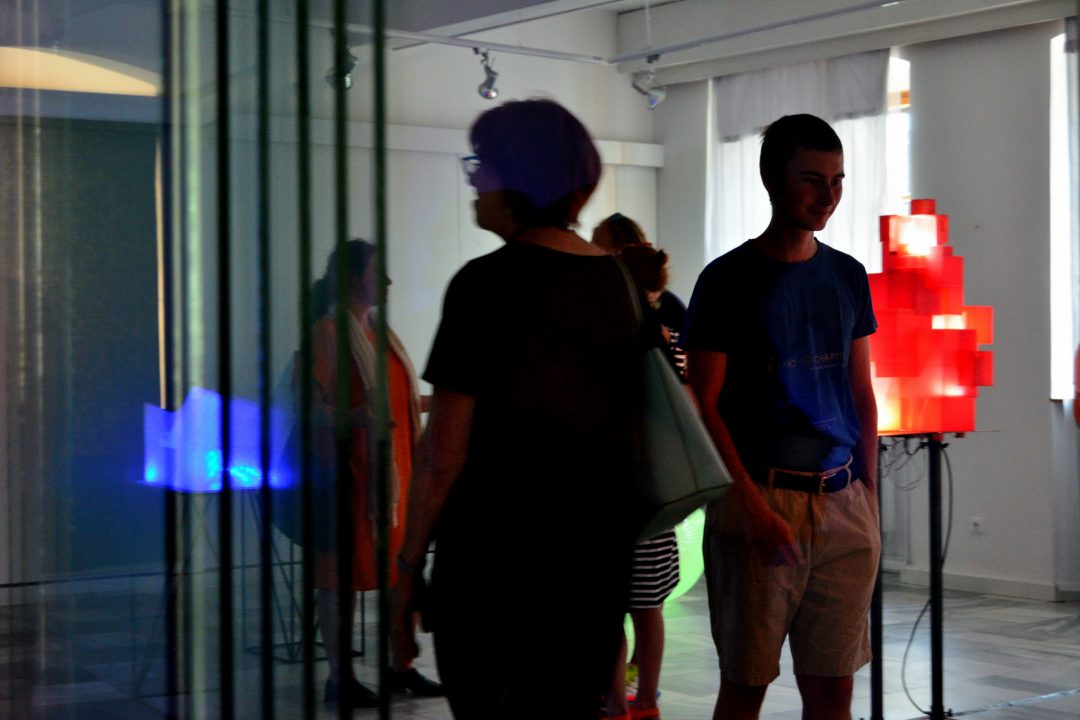
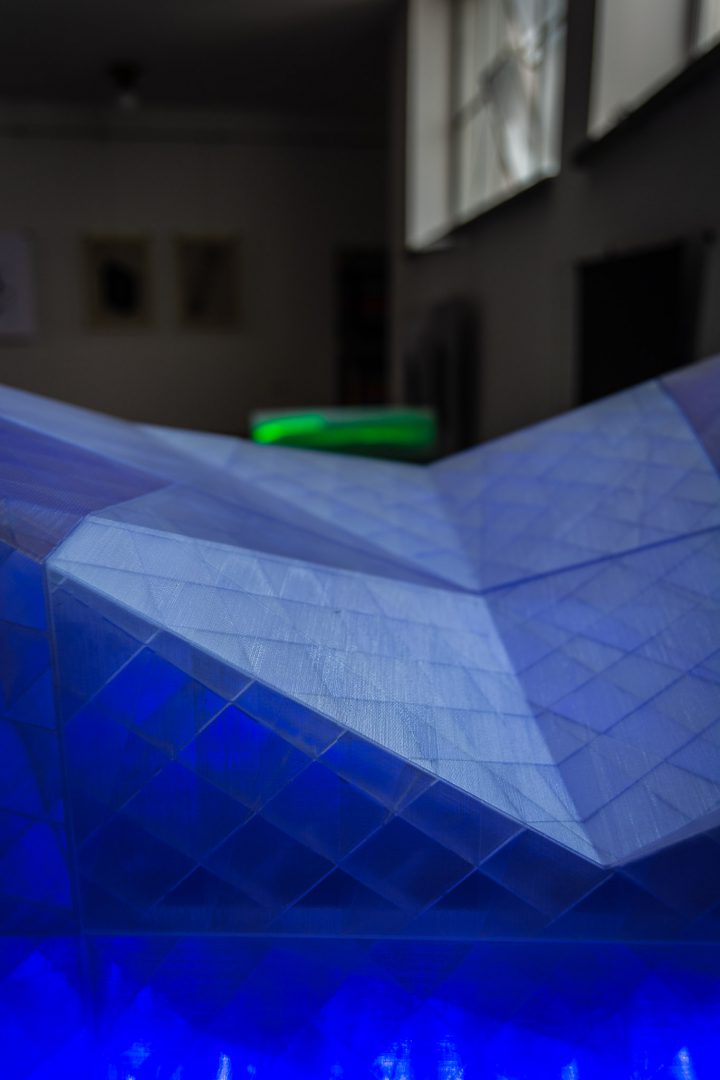
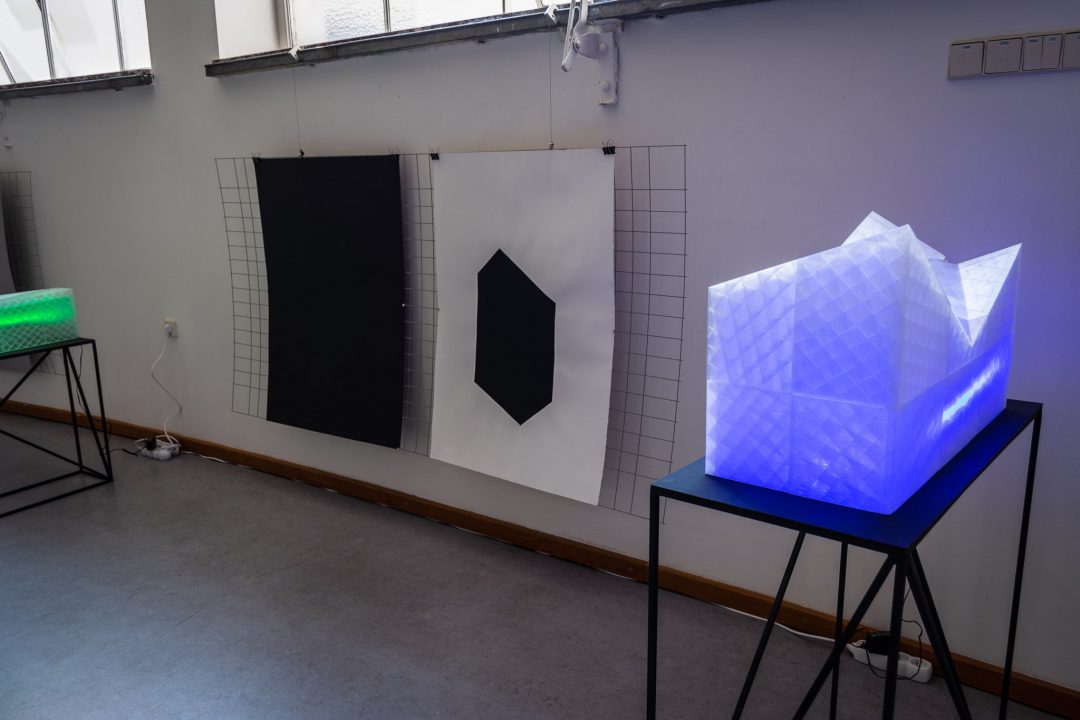
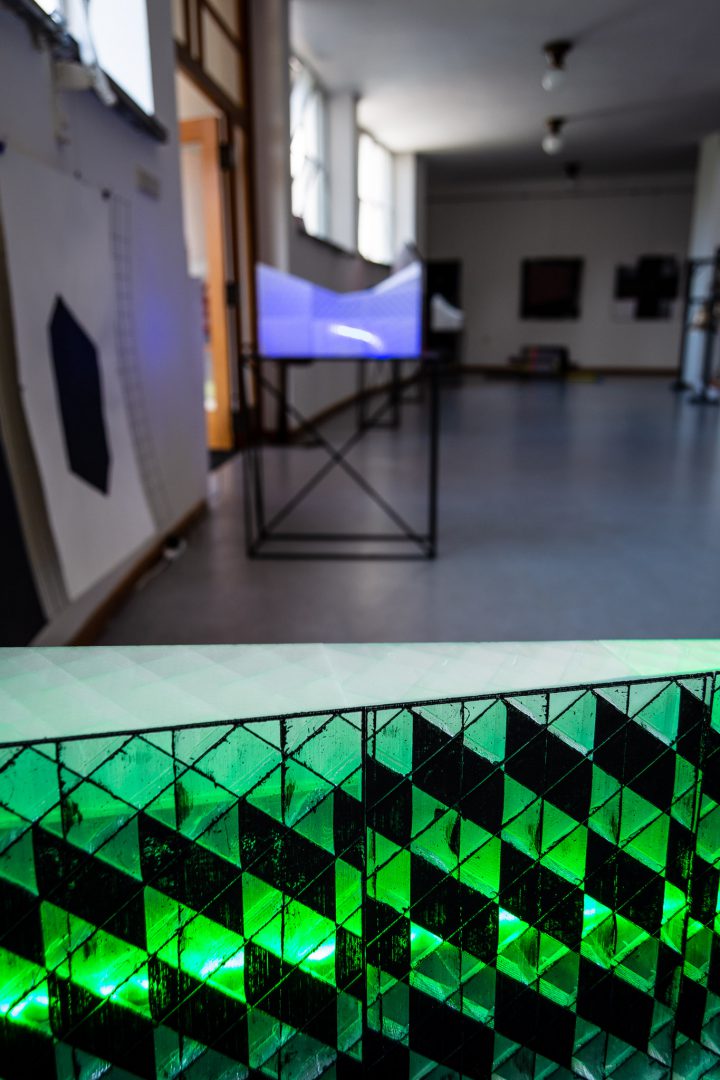
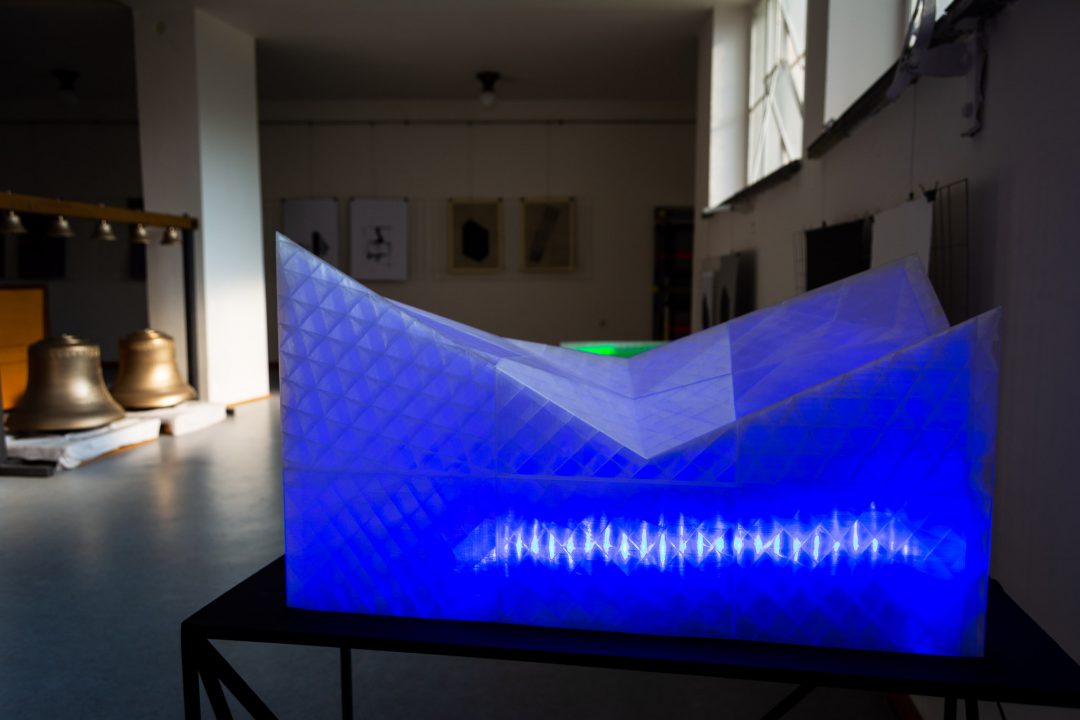
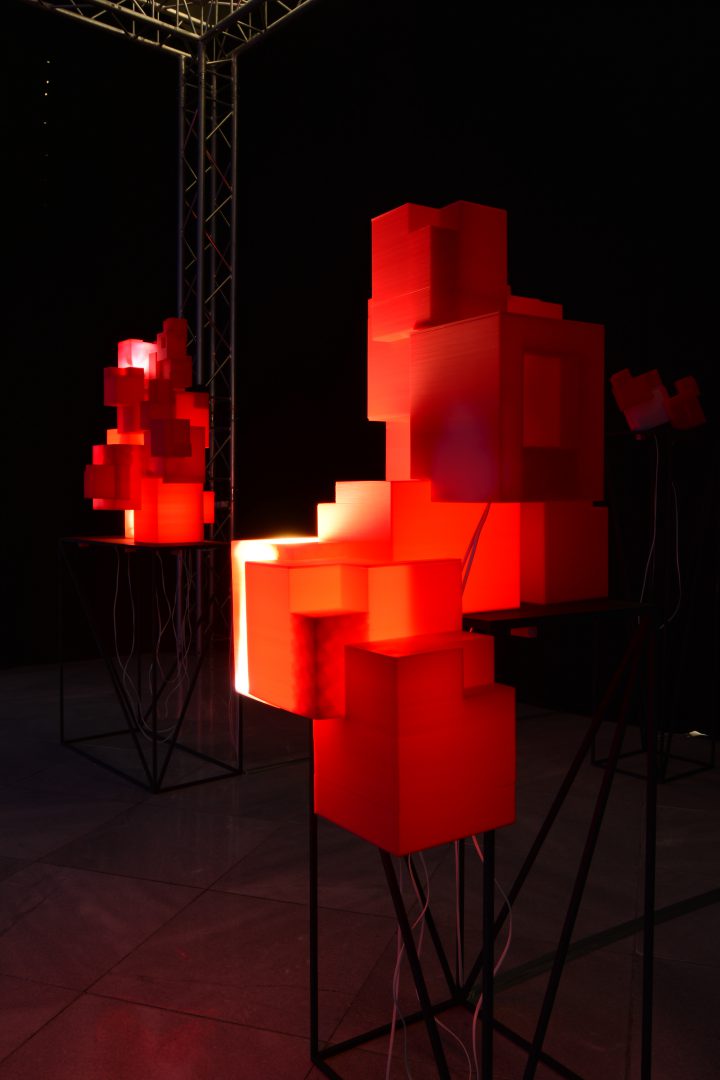
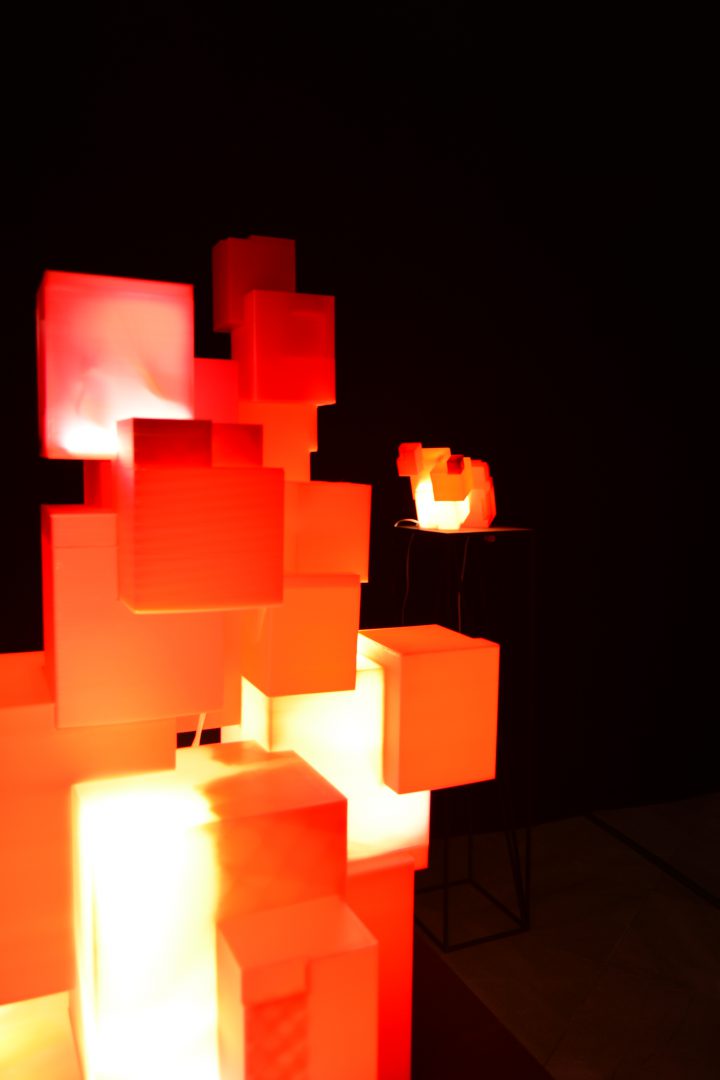
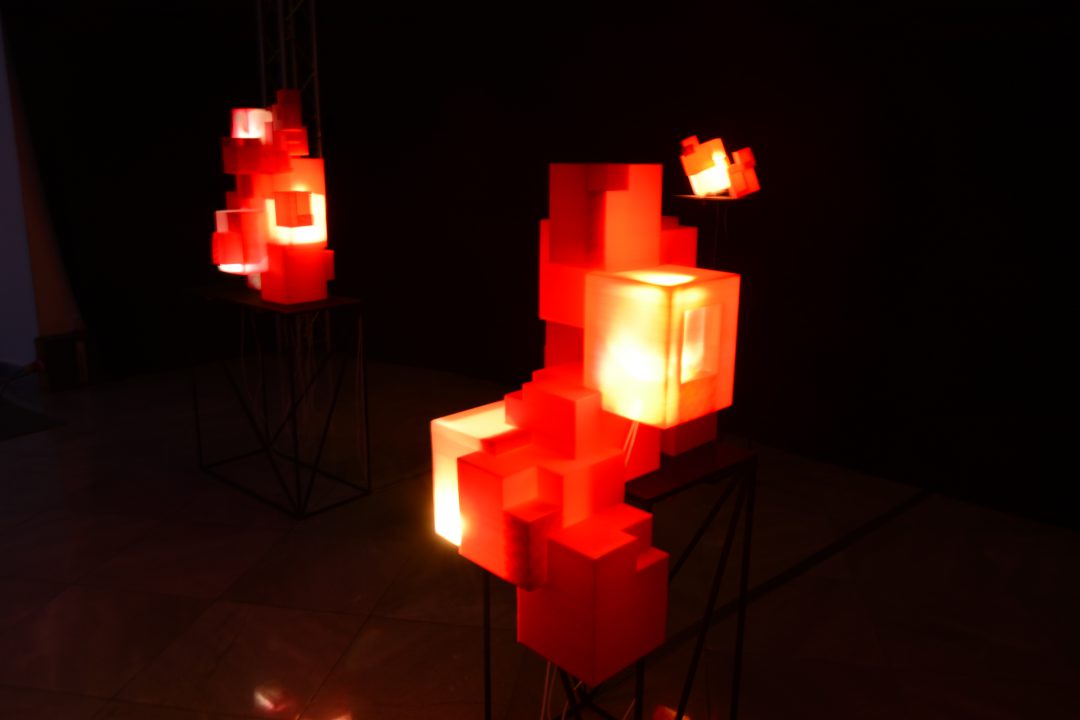
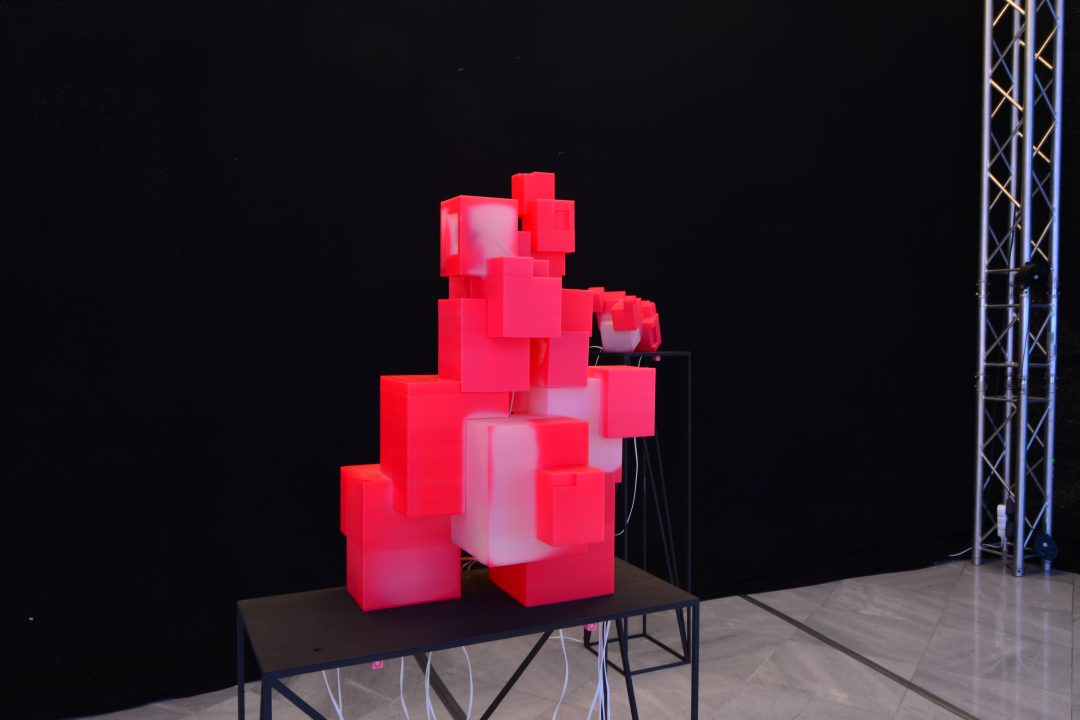
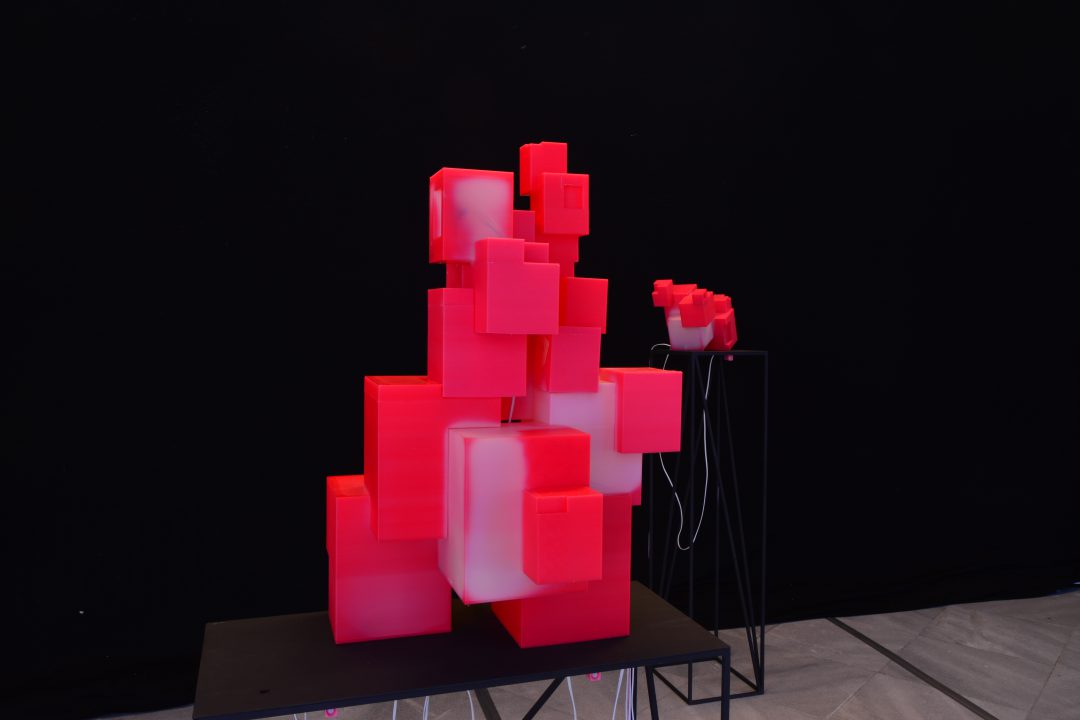
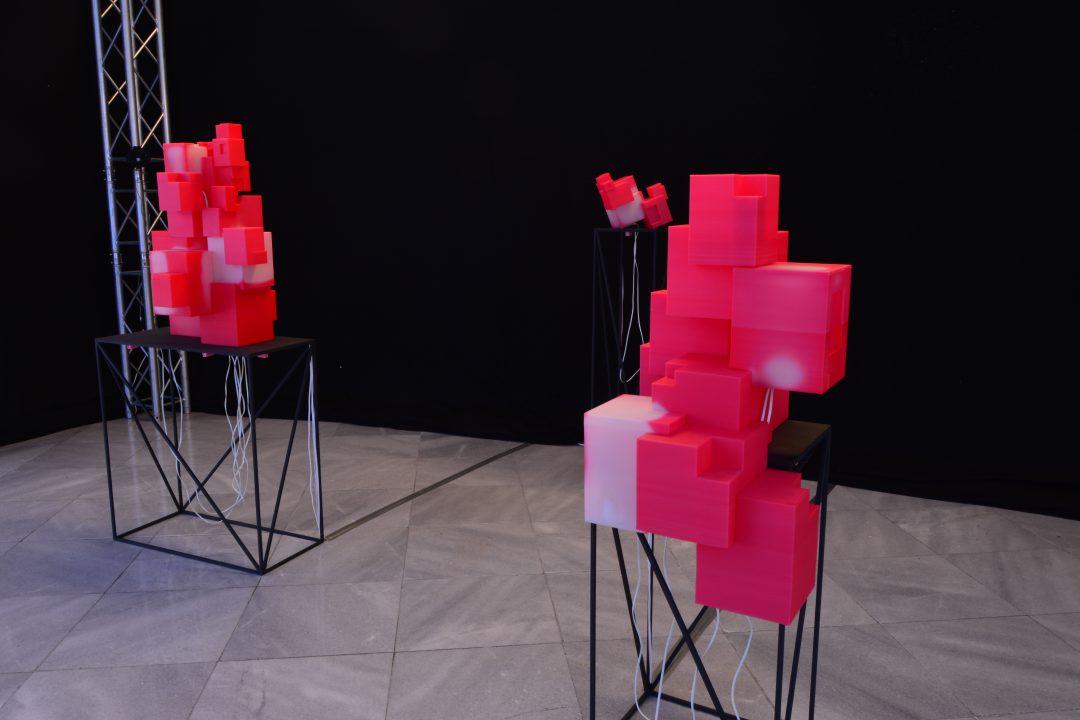
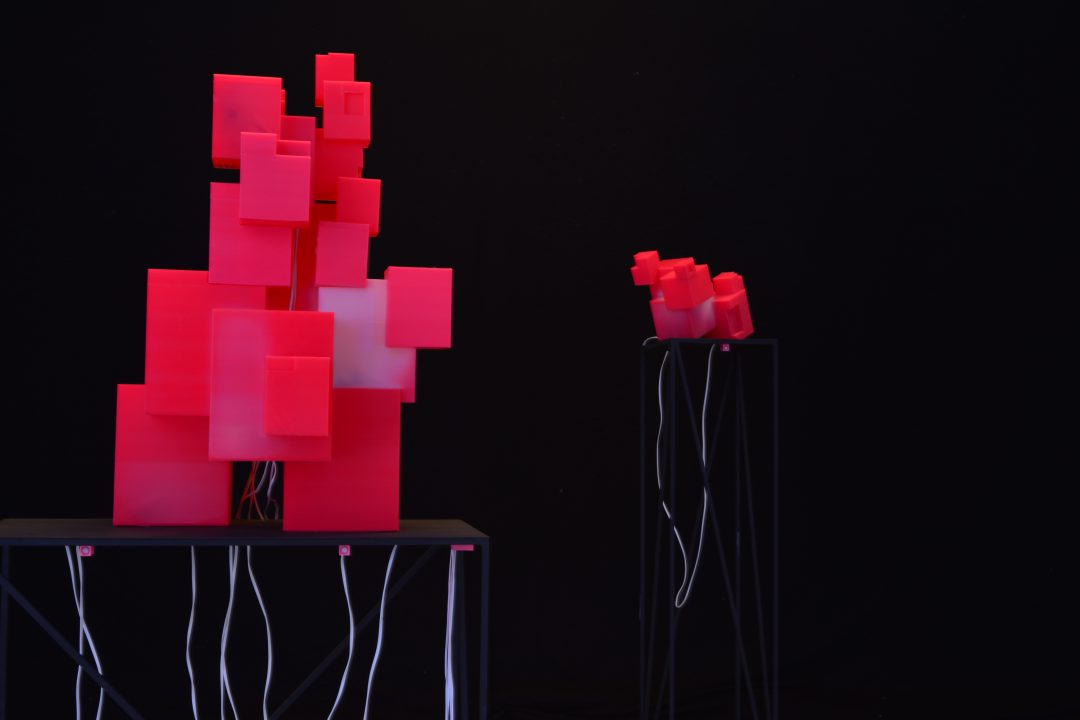
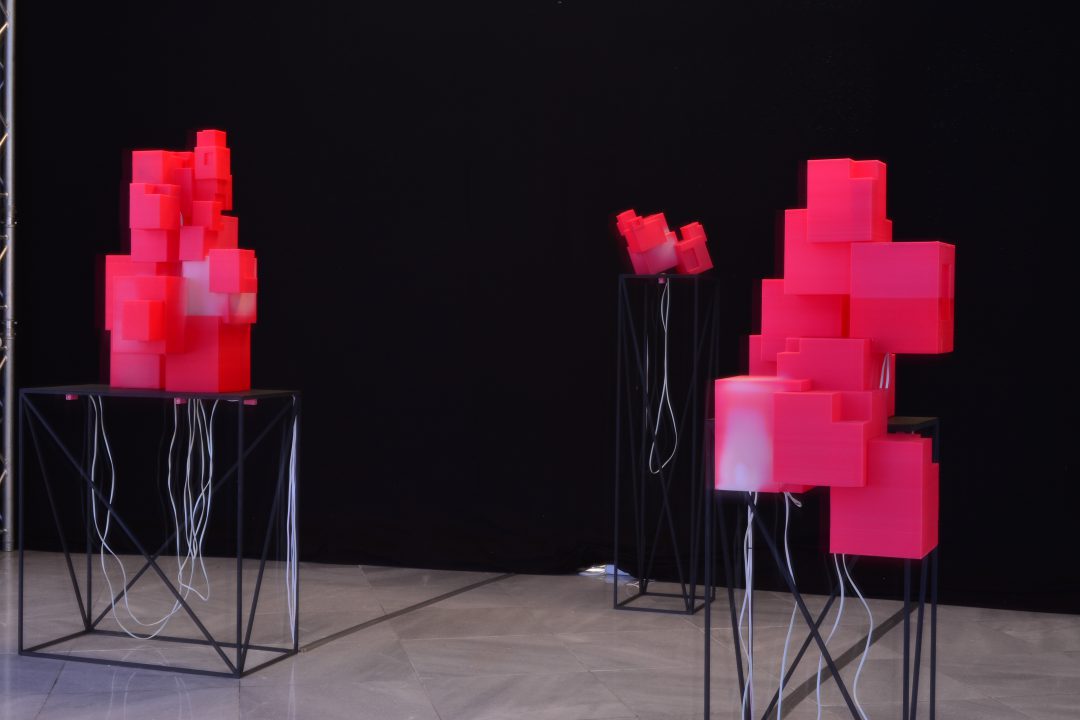
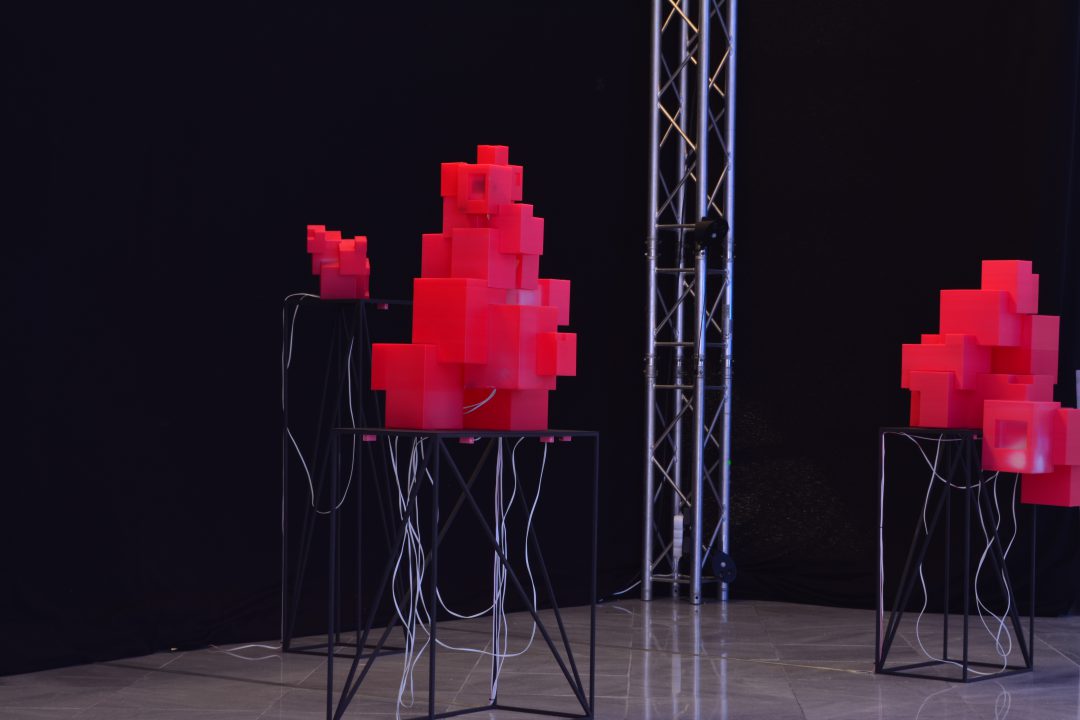
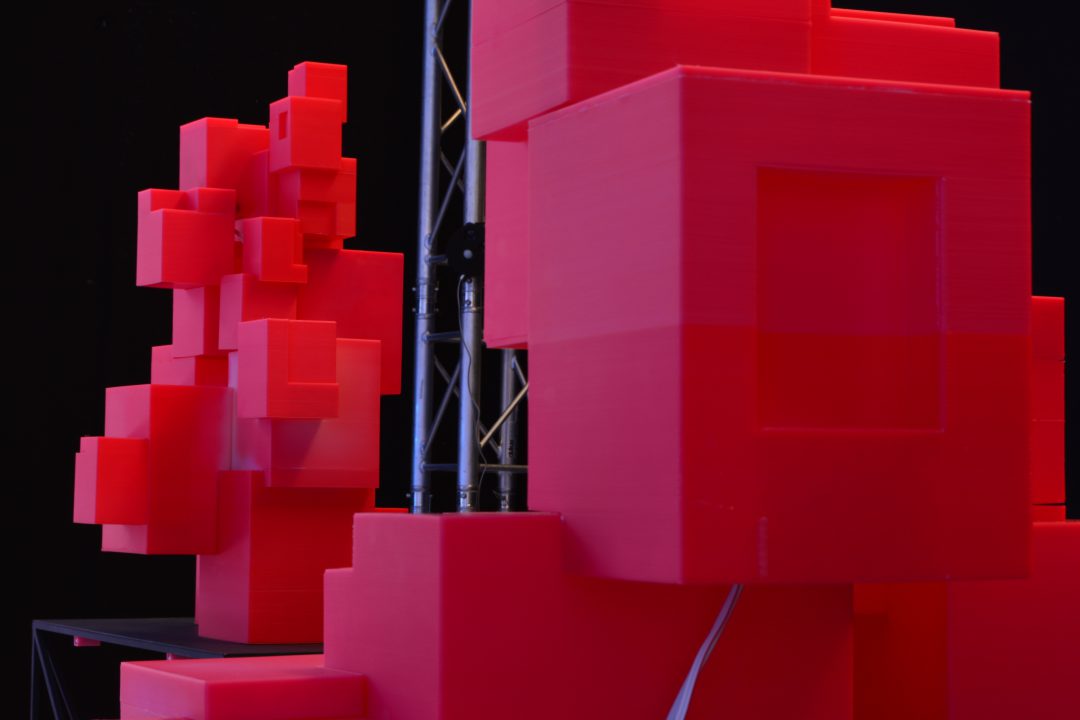
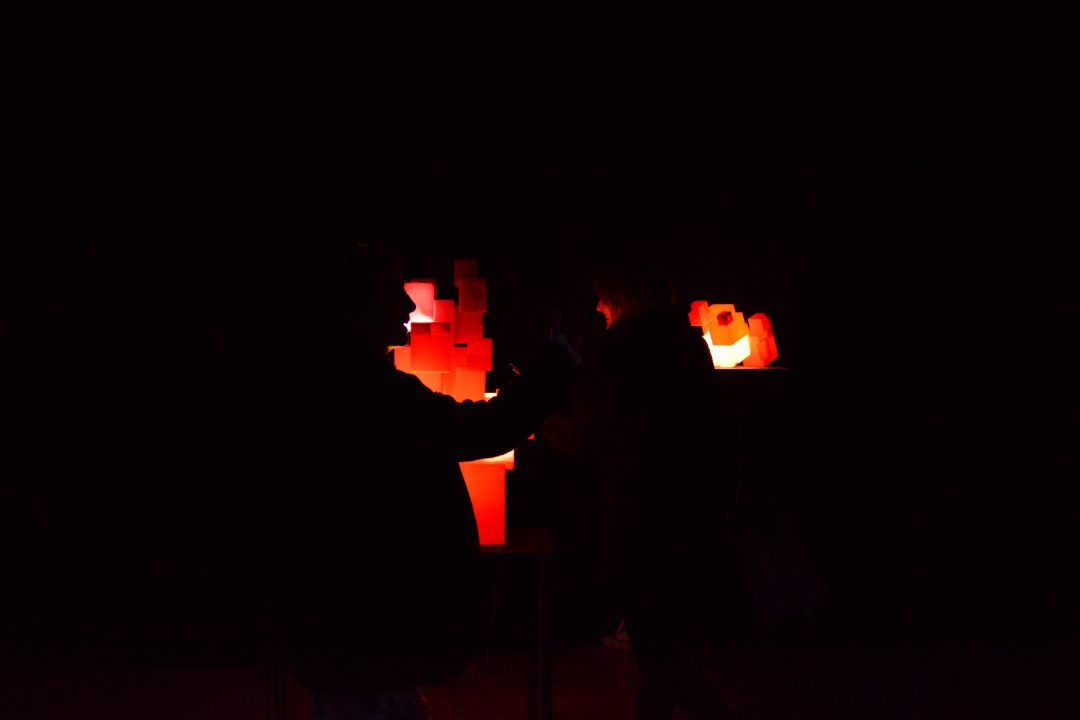
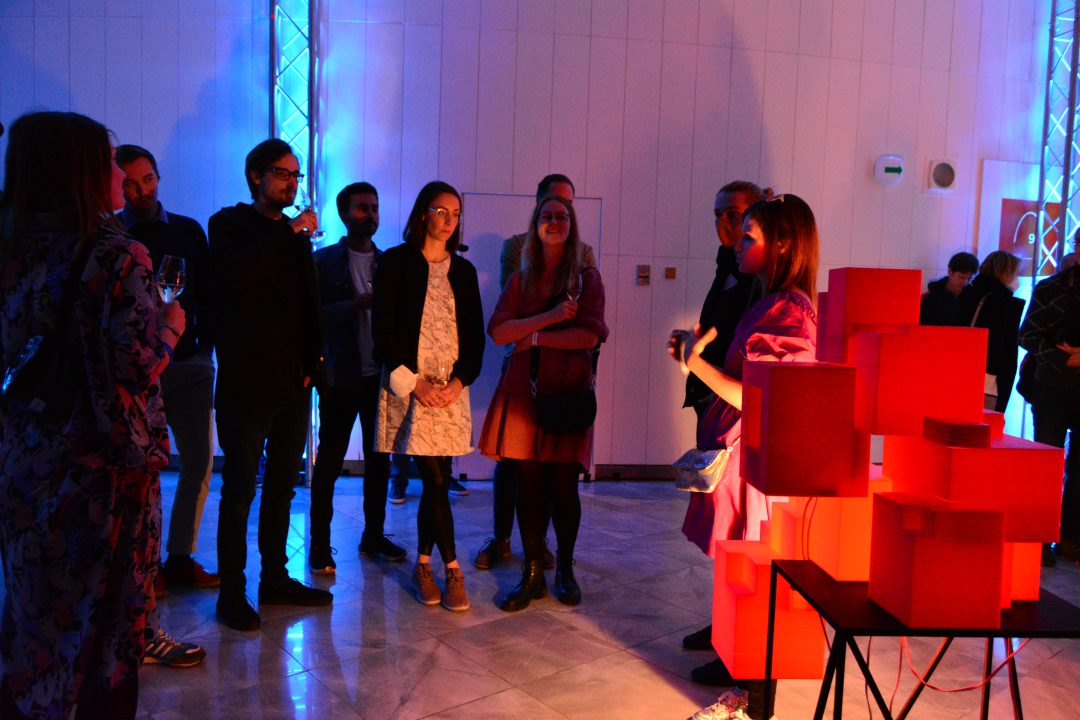
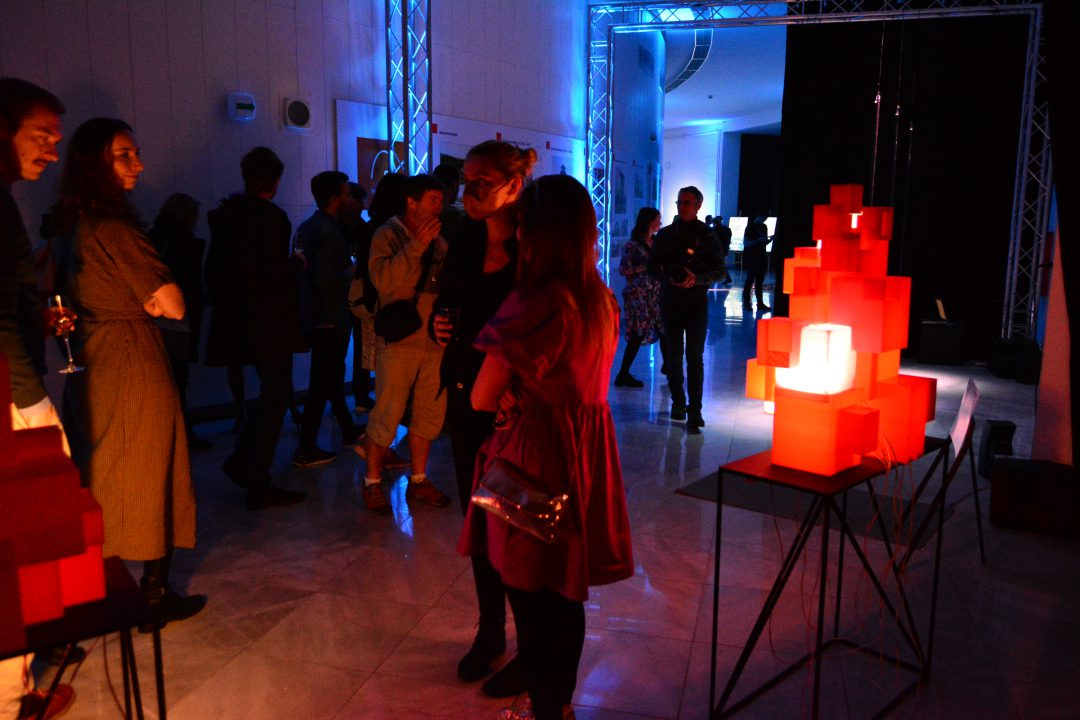
The Light object exhibition presents selected light objects that are a certain cross-section of the creation of light objects and installations created between 2018 and 2022. Most of the works were created in collaboration with Andrea Uváčiková and are thus often taken from the contexts of past exhibitions and projects. However, the common denominator of the objects is light. Objects from two series can be seen at the exhibition. The first is called A cumulation responds to the problems associated with a large population and thus loosely follows the issue of this accumulation. The installation does not solve problems with accumulations and the associated accumulation, it is merely a statement or reflection on the accumulation of masses in space and the associated accumulation of heat. The objects are based on considerations about space and the dwellings we build, and are thus a free rendering of ideas about spatial solutions based on geometrized masses that surround us everywhere. These objects react to their surroundings and when there are more visitors, the objects heat up and change color, thanks to the fact that they are made of thermosensitive material. The light here simulates the feeling of warmth associated with it.
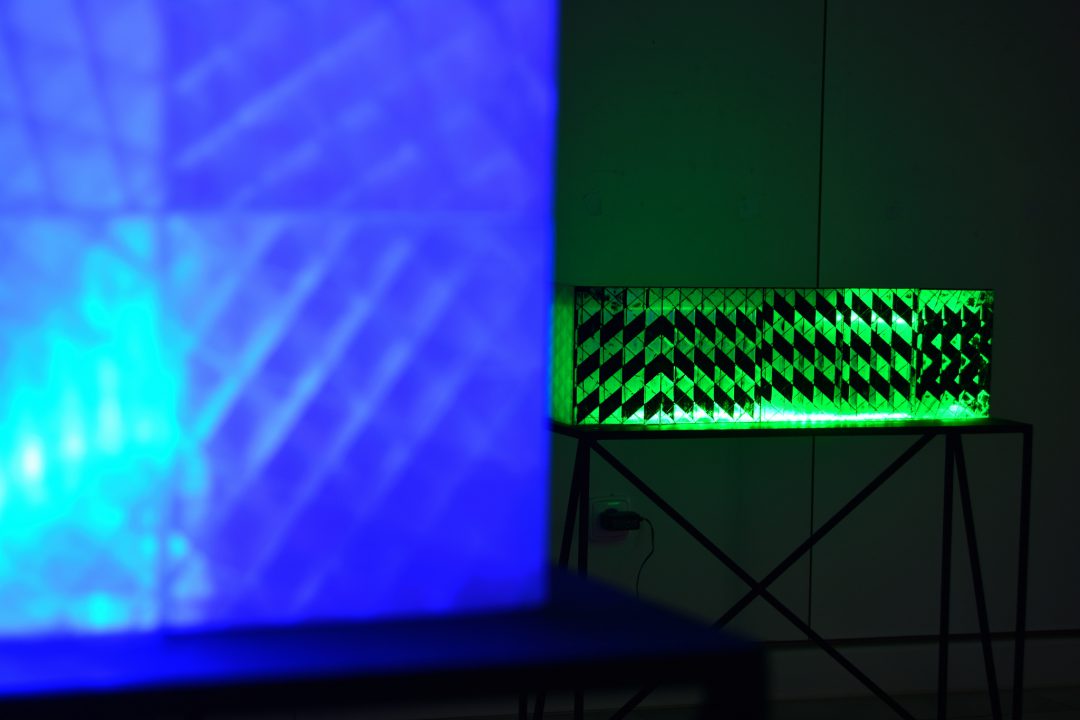
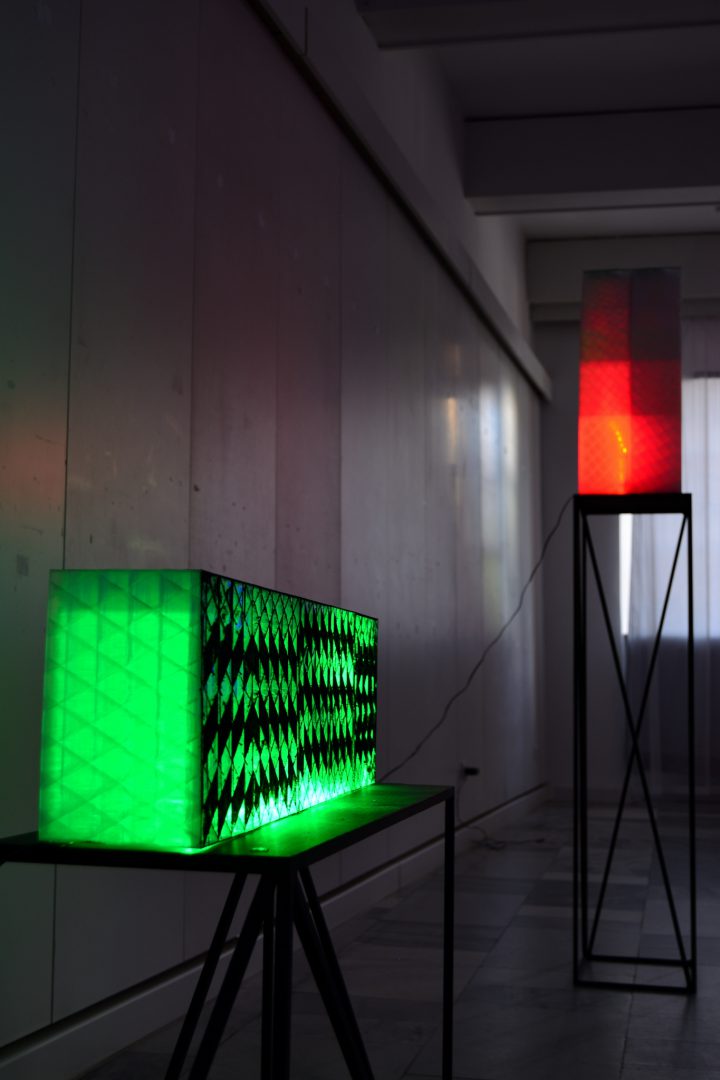
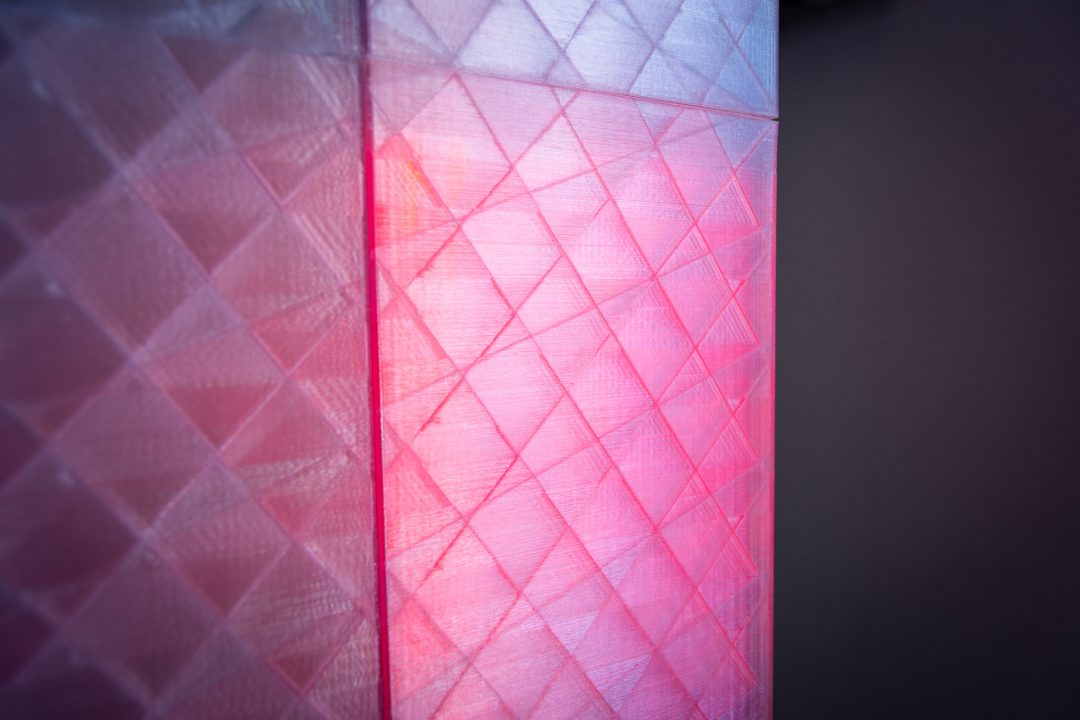
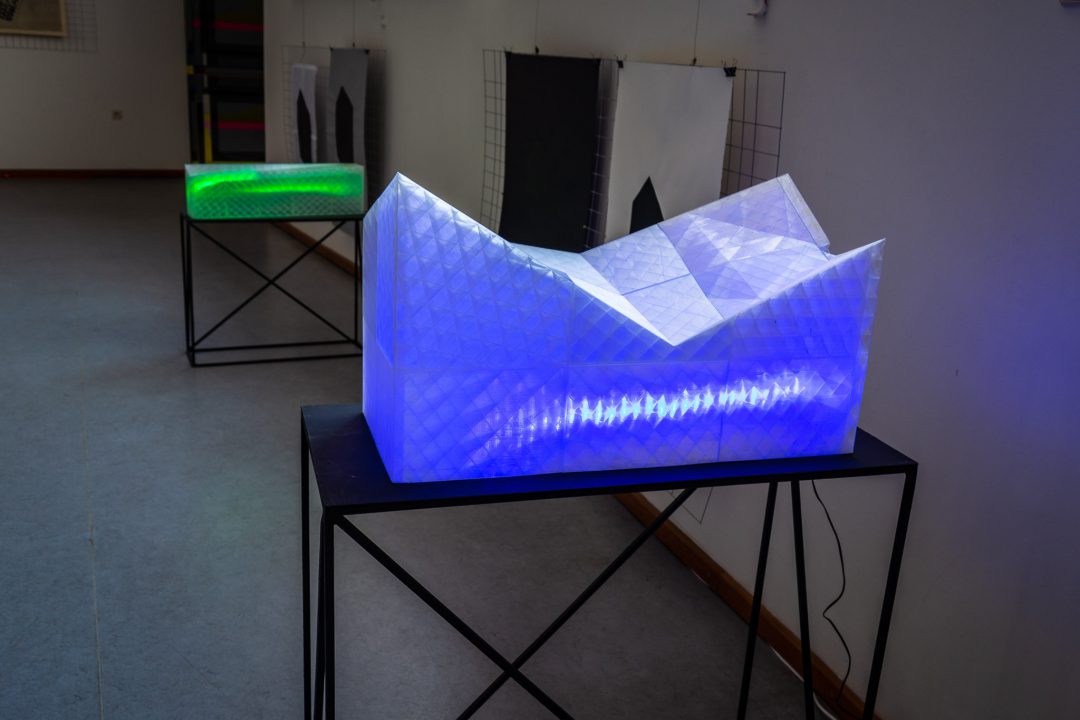
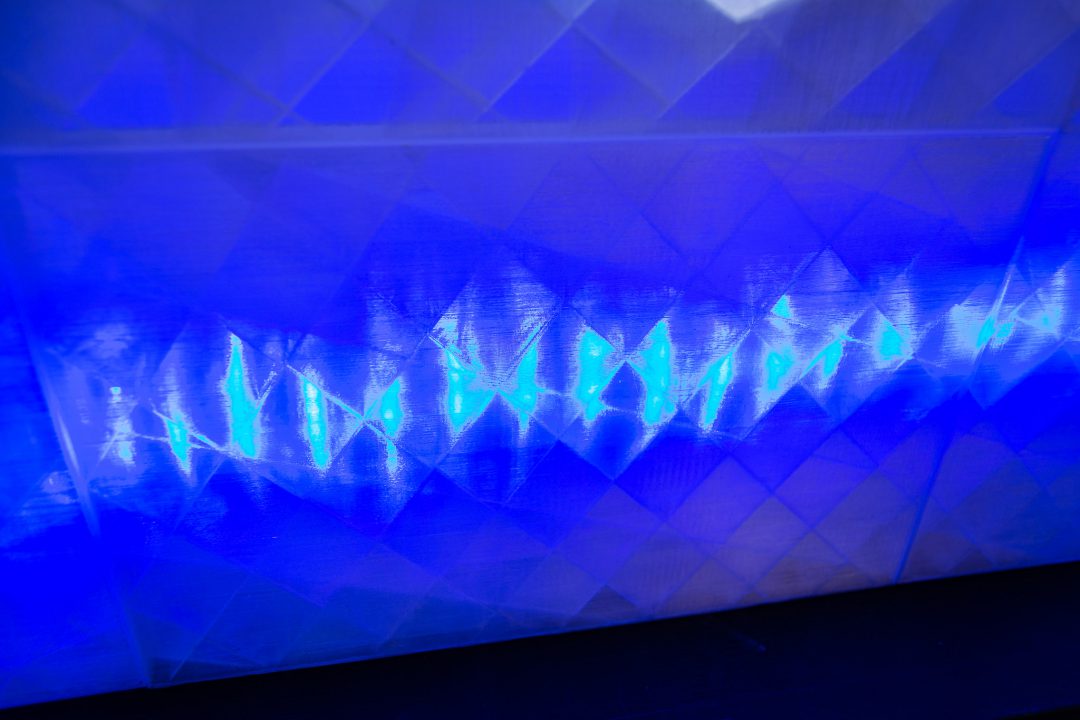
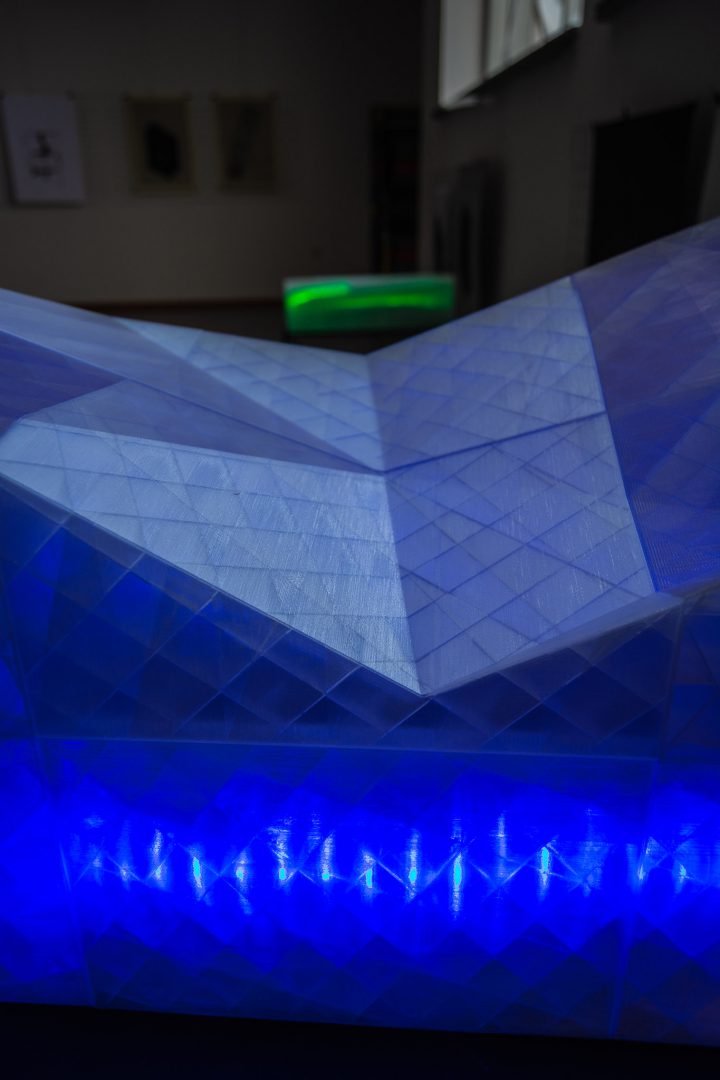
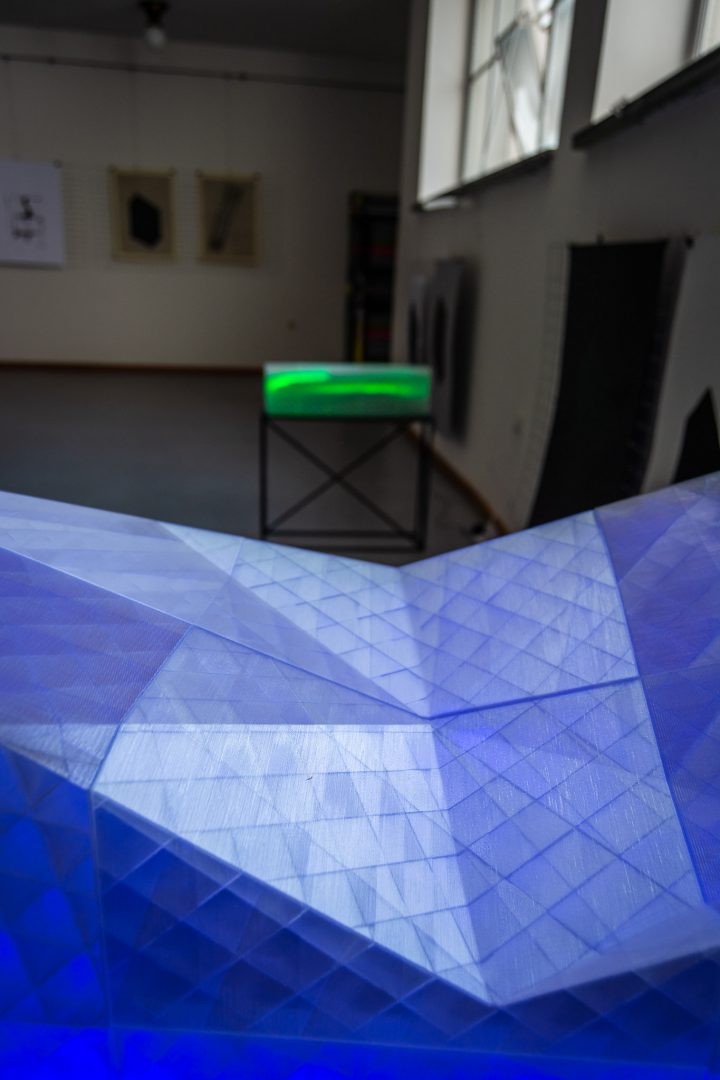
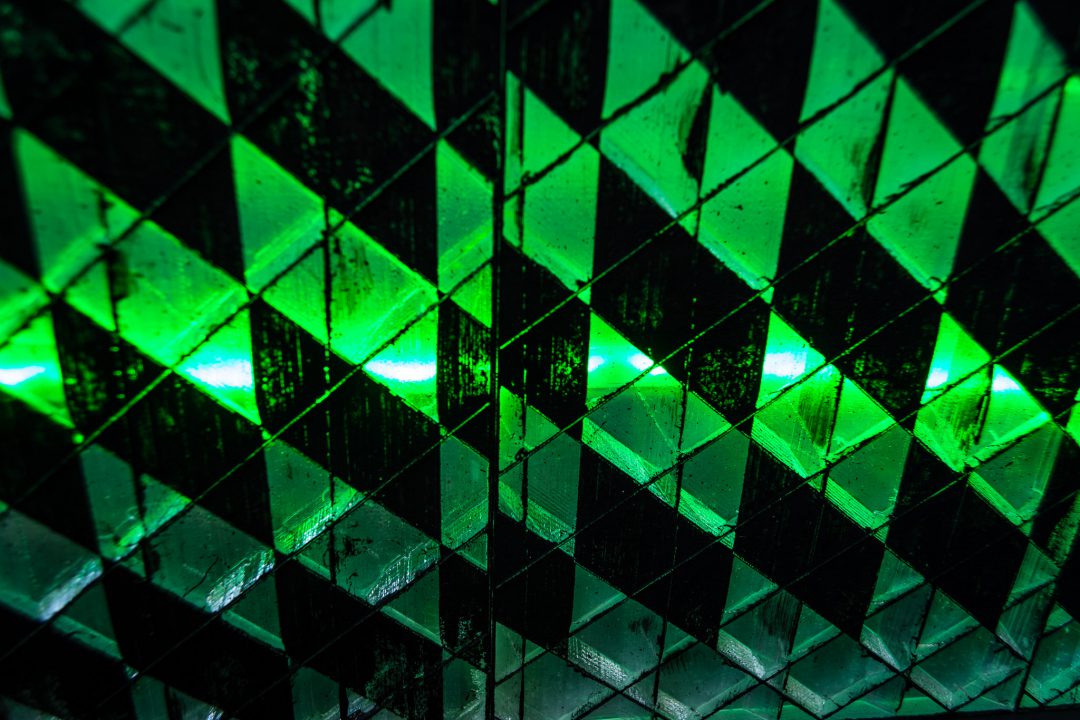
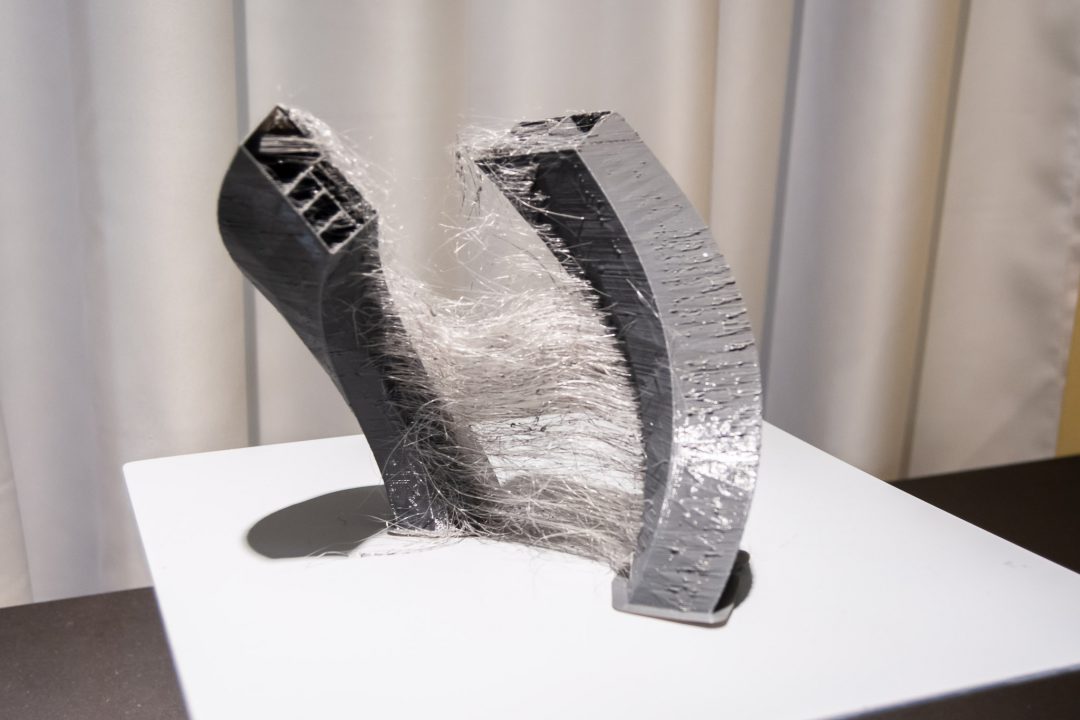
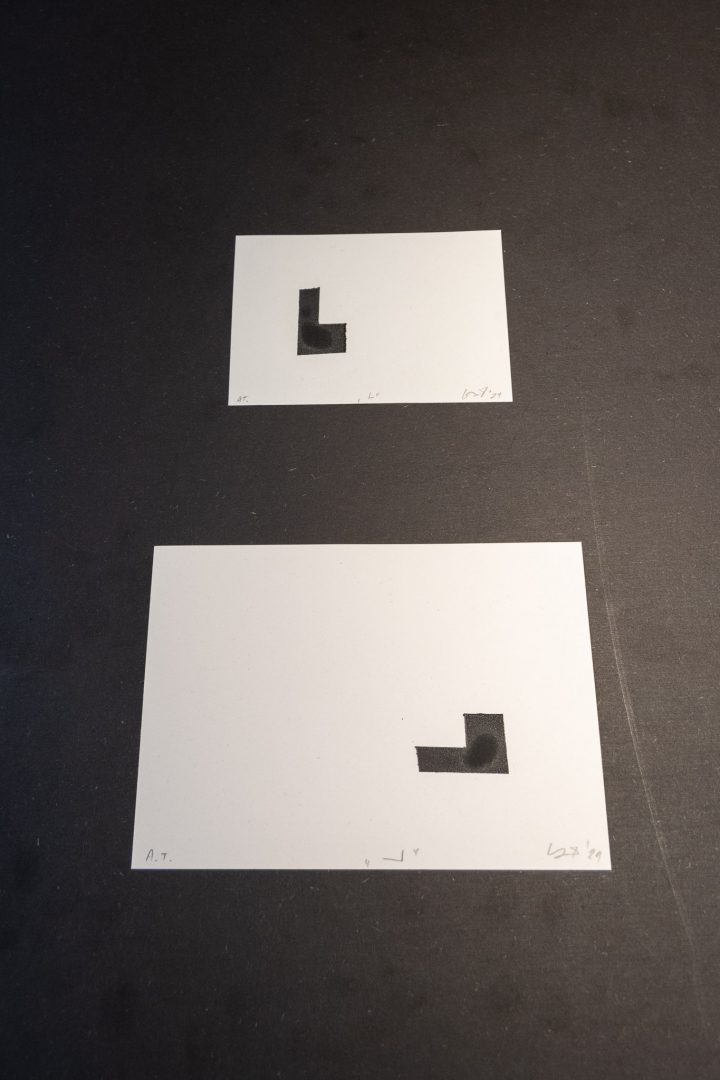
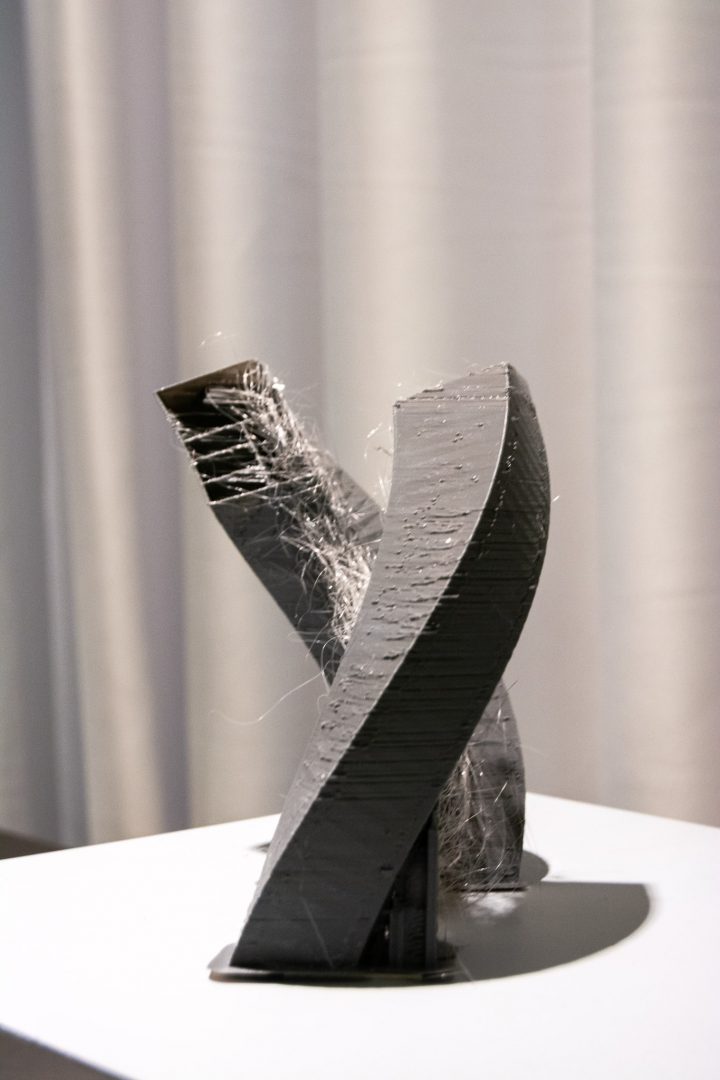
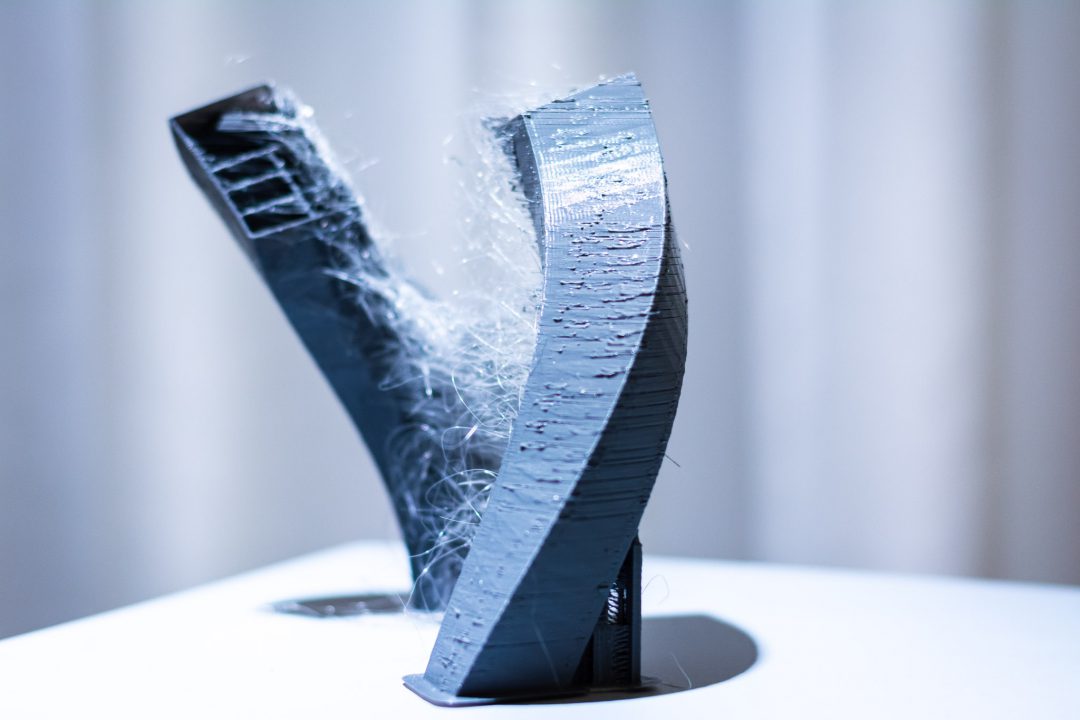
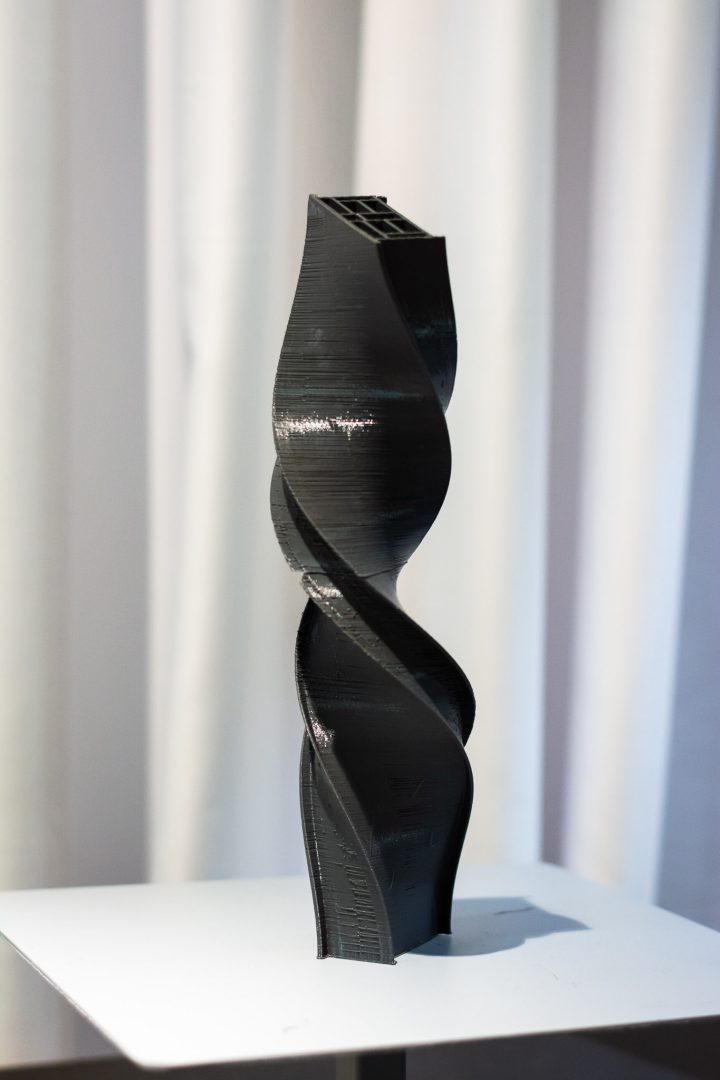
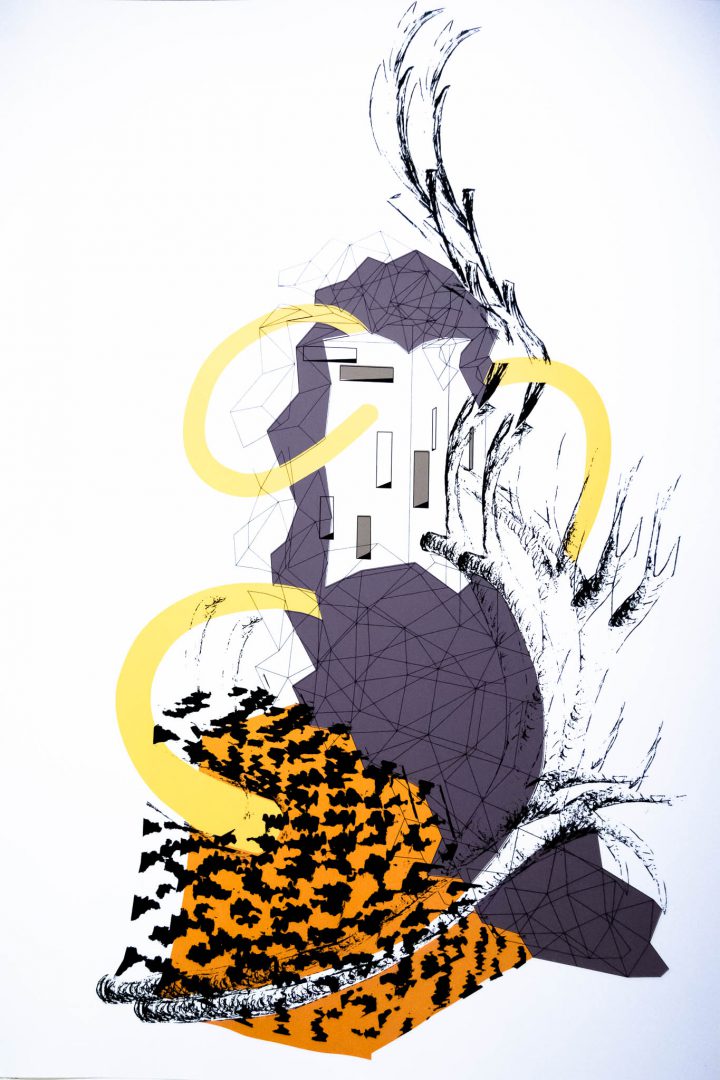
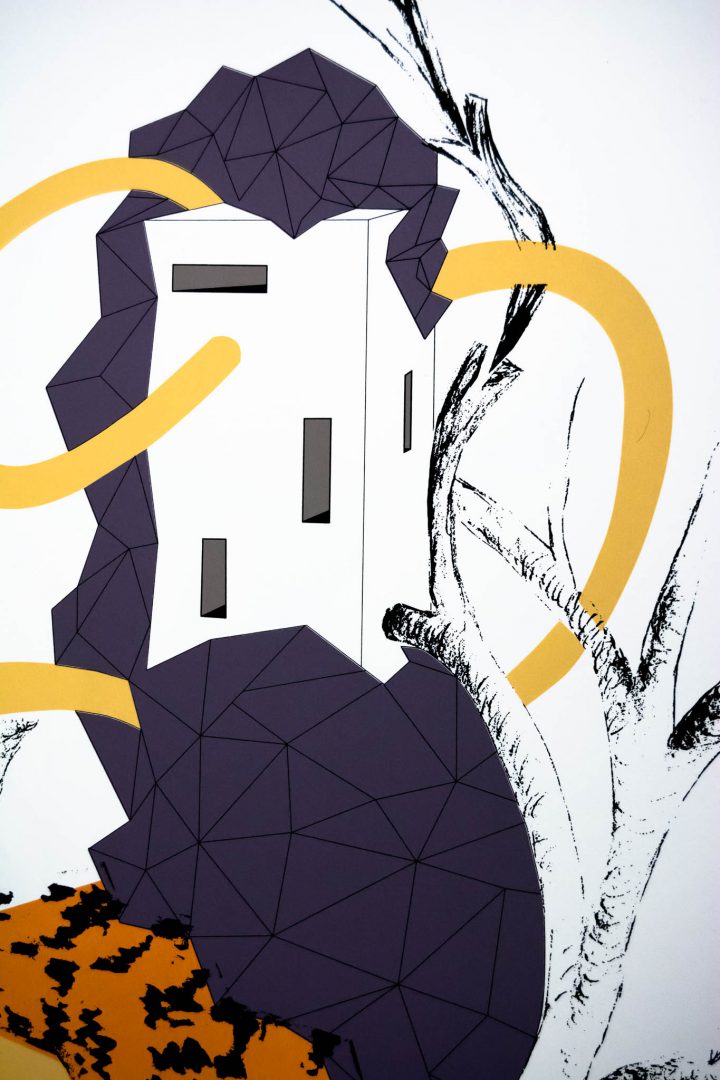
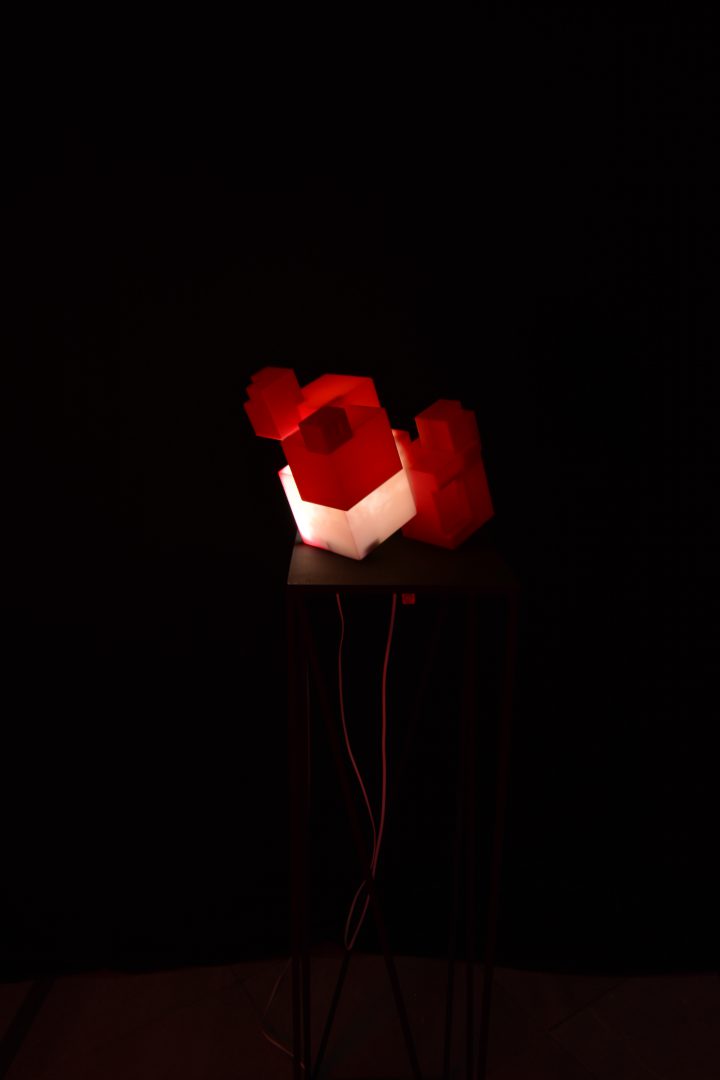
The second series is called Shapeshift. The main topic is a discussion of the object, its representation and remediation. The initial inspiration for the creation of the objects were prints created using the dry needle technique, serigraphic prints and drawings of objects, the author of which is Andrea Uváčiková. Zuzana Bartošová takes over these studies and re-converts them into a three-dimensional form (albeit already in a shifted, digitized form) and reconstructs the shapes into the form of minimalist objects. In them, he emphasizes the visibility of structures that arise naturally during 3D printing. The tools also determine the size and color of the individual segments from which the objects are assembled. Although the author enters the same input data, slight differences appear in the individual segments using up to three different printers. An important role here is played by the structure, the so-called filling of 3D prints, which becomes an important visual element by illuminating them. These automatically generated structures, which under normal circumstances would remain hidden from the viewer, are revealed and shape the form of these objects.
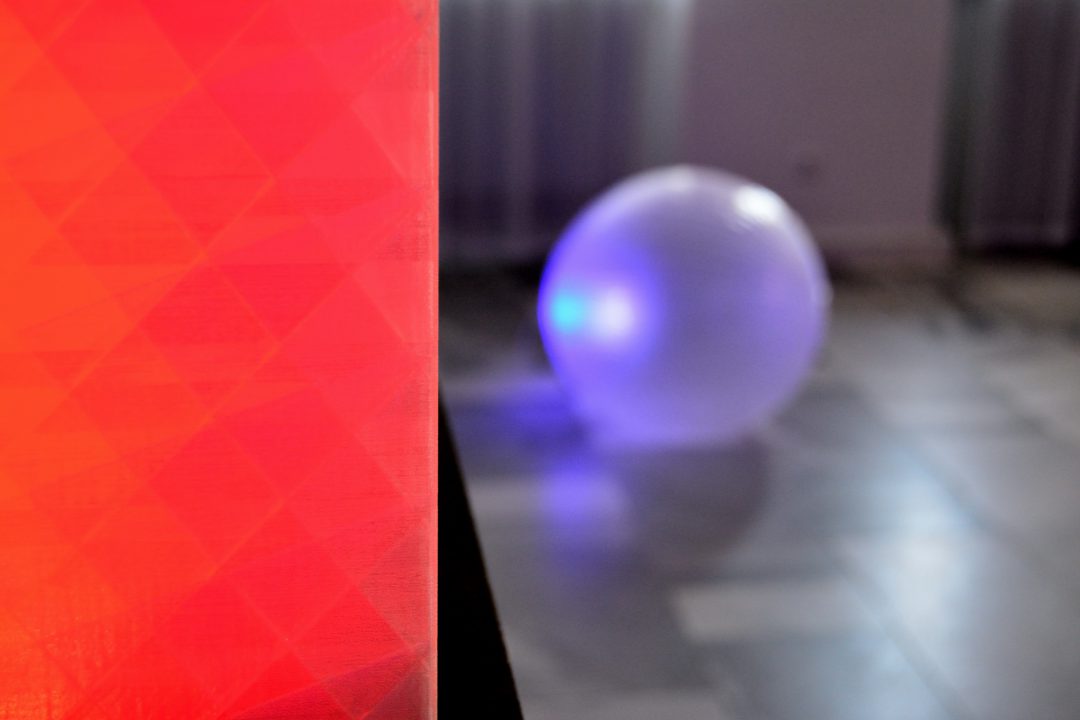
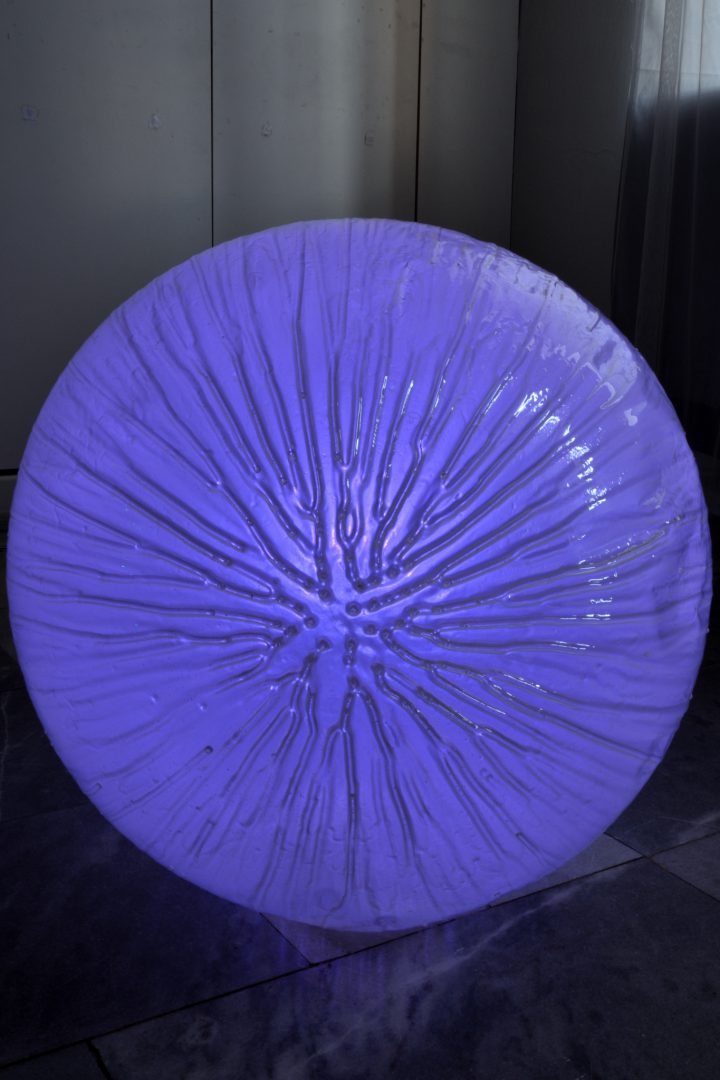
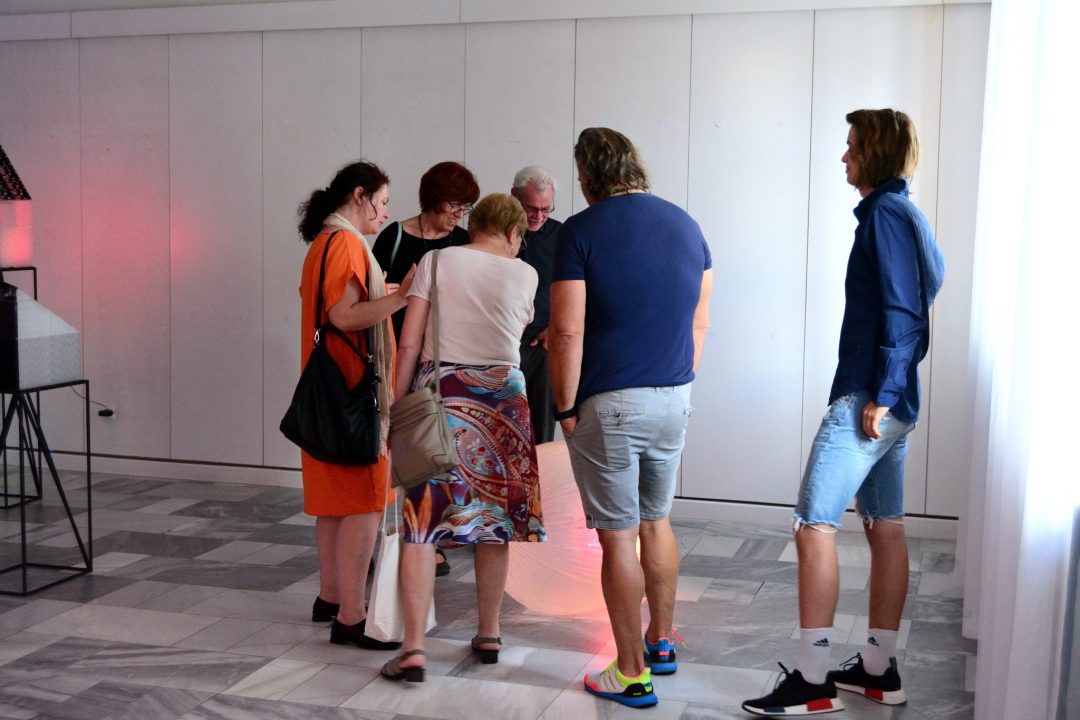
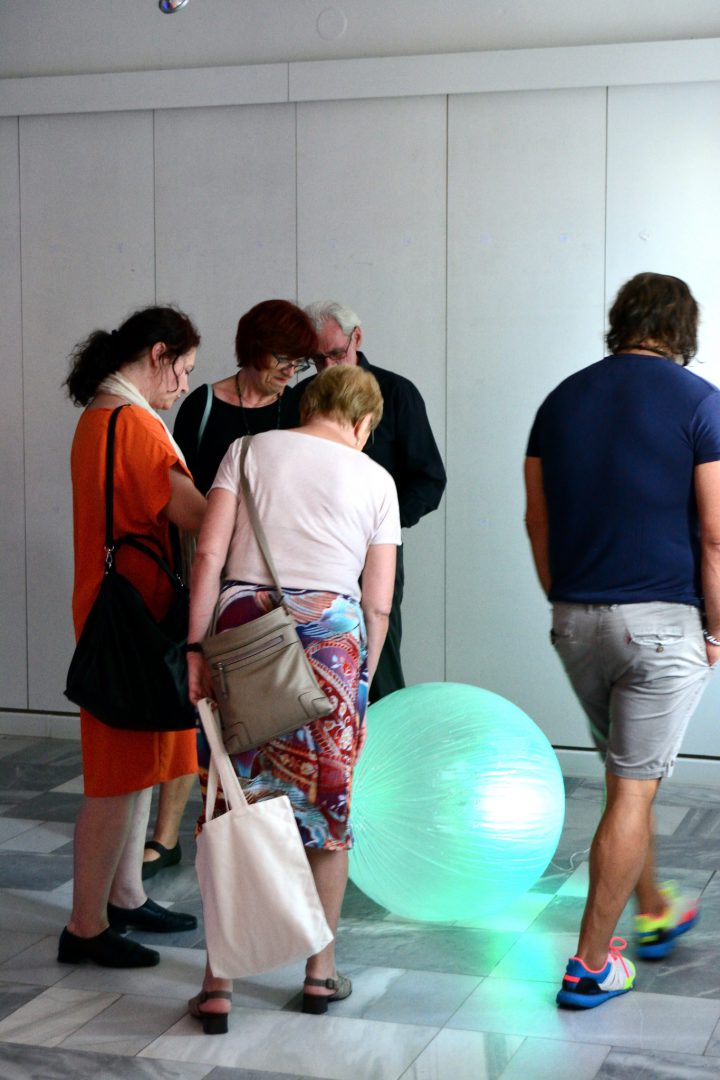
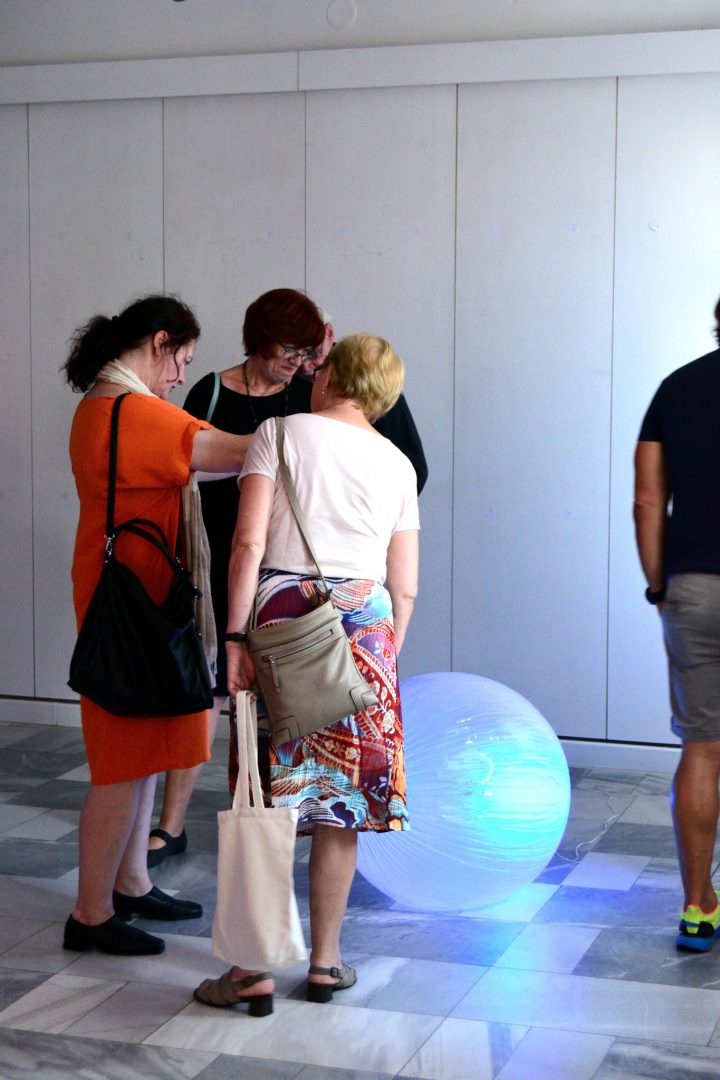
The last object, called Light object, is the latest work represented in the exhibition. It is an experimental way how to cast air that has been captured in the balloon. The lighting effects increase the feeling of heavenly uplifting lightness.
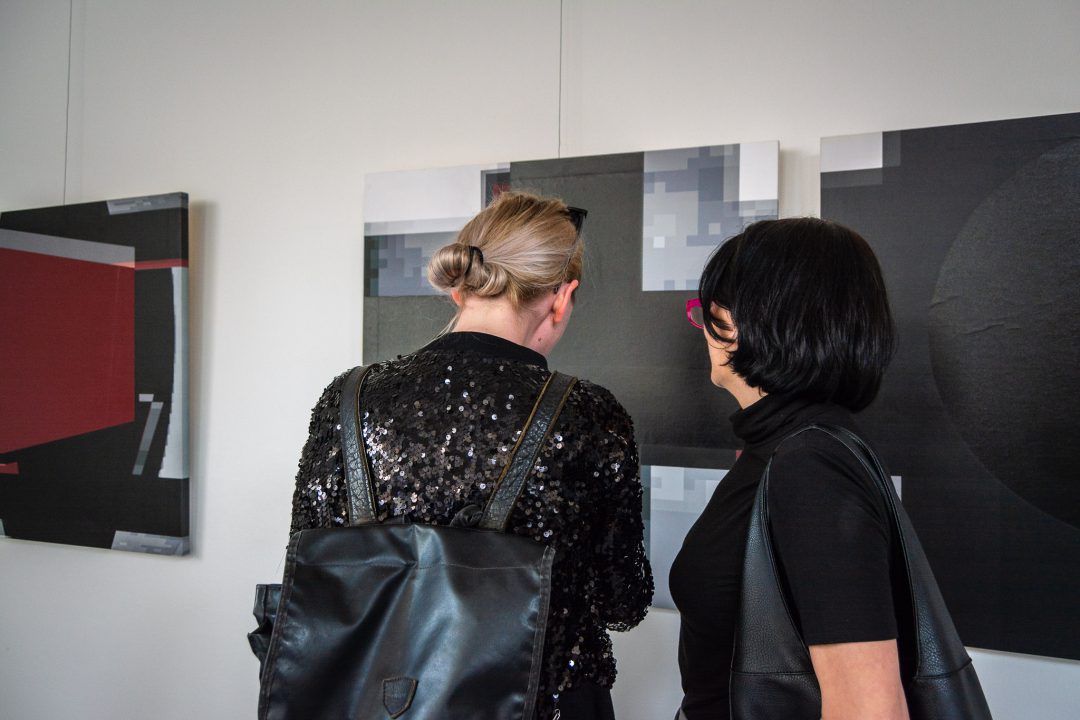
Consonance, AMB gallery, join exhibition with Andrea Uváčiková and Zbyněk Janáček, Hradec králové, 2022
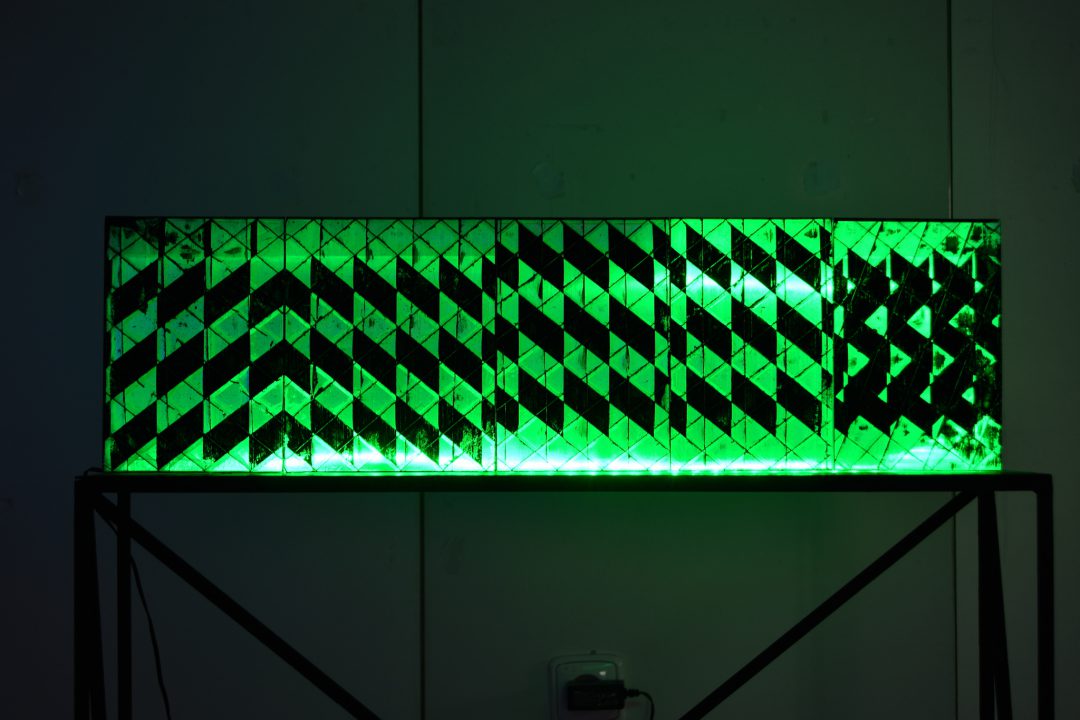
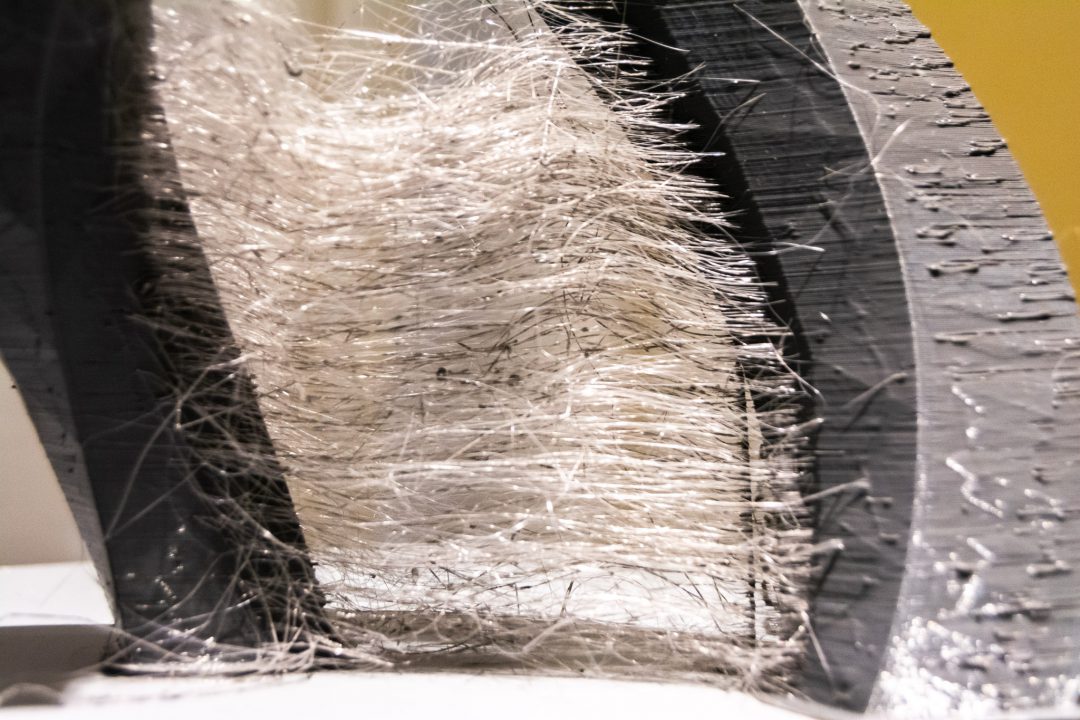
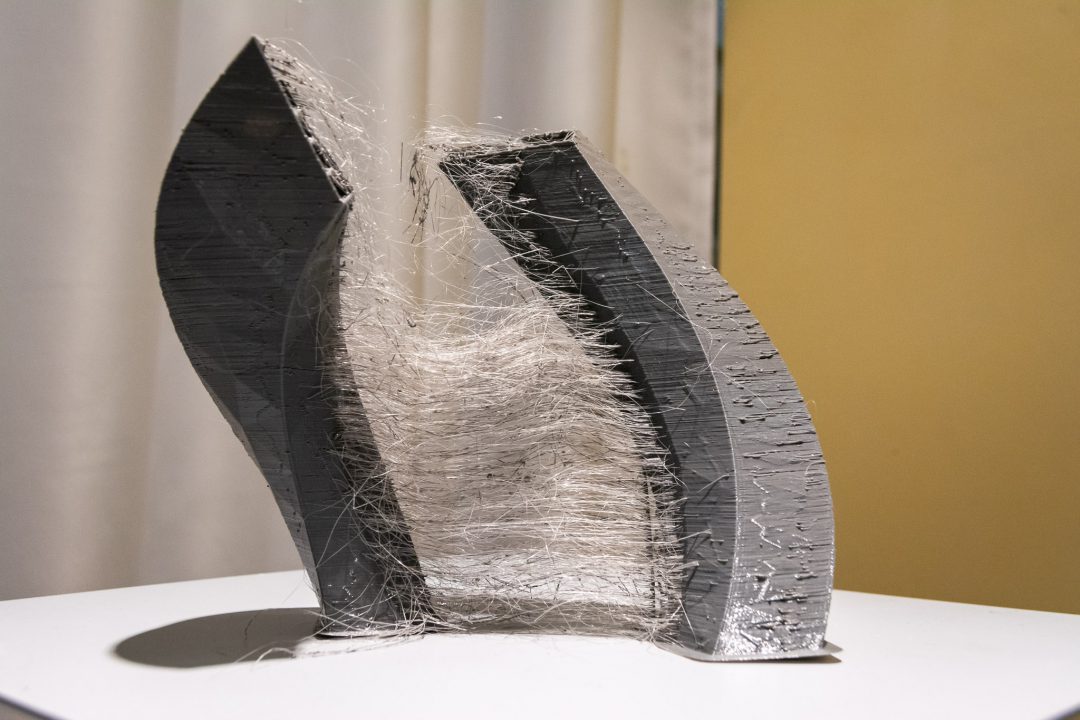
CONSONANCE (or reverberation) satisfactory harmony, it is created by harmonizing differences, shifts, deviations. The triple snare of various artistic personalities meets over the theme of the line in contact with space. The line is an abstraction, because the world is constantly changing and the line represents the seam, the joint, the scar, the repetitions form the rasters and the annual rings appear. In the Shapeshift series, multimedia graphic designer Andrea Uváčiková and sculptor Zuzana Bartošová examine 3D shapes and their 2D projections. How we understand them, how we think about shapes, how we remember what we touch in the mind and real senses. Zuzana Bartošová understands the lines of “growth” of a 3D printed object as a kind of annual rings. White transparent plastic is an artificial substance, natural to man, because we created it to our advantage. The object is created by layering linear fibers and acquires properties of the outside and inside, to which daylight and artificial light also have something to say. Leonardo da Vinci has already studied the relationship between matter and time. To this day, we are fascinated by the imprint of the past, natural growth, layering, we perceive the passing of time written and stored in matter. Andrea Uváčiková asks the question: We can recognize three-dimensional bodies in two dimensions, because we load the world mostly in two dimensions, in various records and digital media. Traditional graphic gravure printing techniques can offer (albeit slight) depth and plasticity, but the author embarks on a path of generalization. The intense black surface disturbs the illusion of space built by lines and light valleys in a disturbing way. Zbyněk Janáček intensifies the gentle rhythm of both shapeshifts by layering intense colored areas on top of each other. The metallic foil further enhances the idea of reflection and window. Where should the window lead? From the inside out, or vice versa, into a completely different dimension? Objects taught by Abbot Suger’s early Gothic light mysticism, De Stijl’s Dutch initiation platform, and Hugo Demartini’s exploration of chance, levitation, and gravity are essays on constant motion. Flat objects can be considered in a sense as displays or series. Shapes and their relationships with surface and space are constantly changing, settling, concentrating, sharpening in them. Permanent movement is a characteristic of the world. The world is moving towards order, but at the same time it does not stay in it. He destroys harmony with his movement and seeks a new, different, not better, not worse, alive and natural. The interest in the work of all three creators is the interest in the relationship of two and three dimensions, in the question of displaying and reading back this sophisticated speech. How we understand the world and how we can talk and think about it through concepts, signs and images.
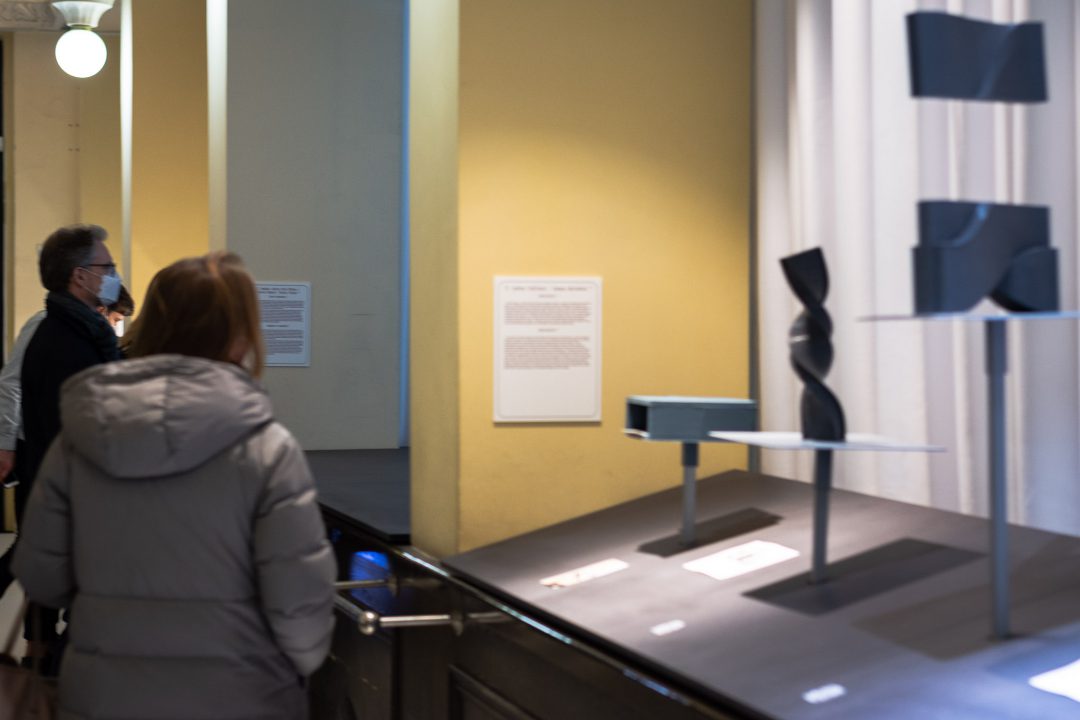
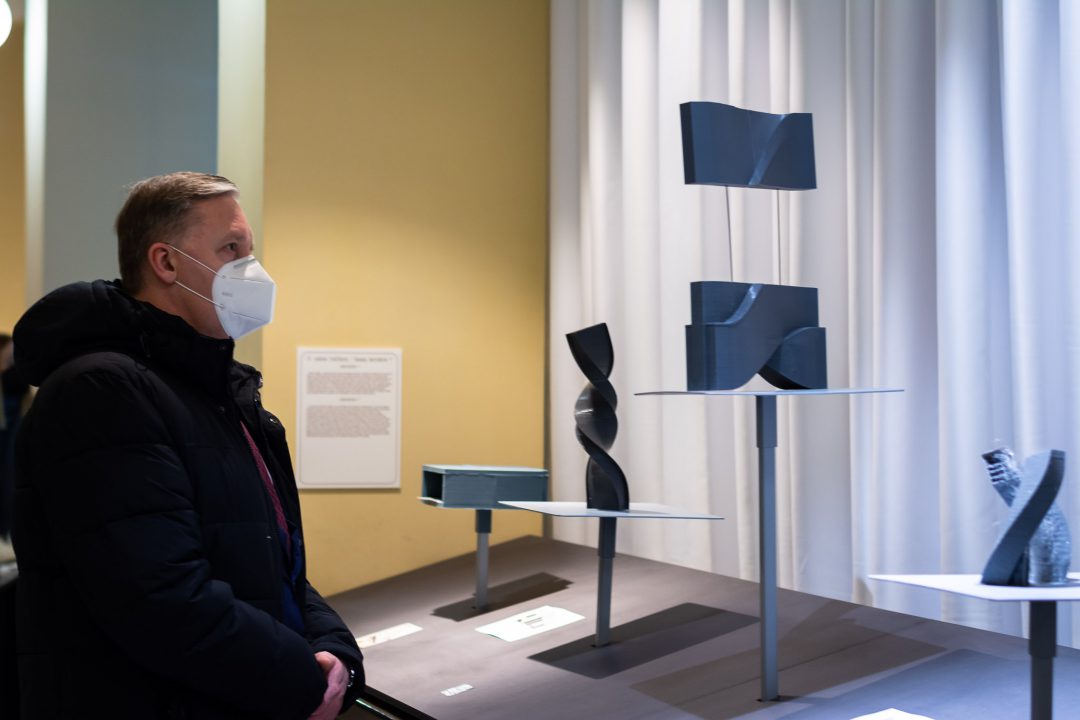
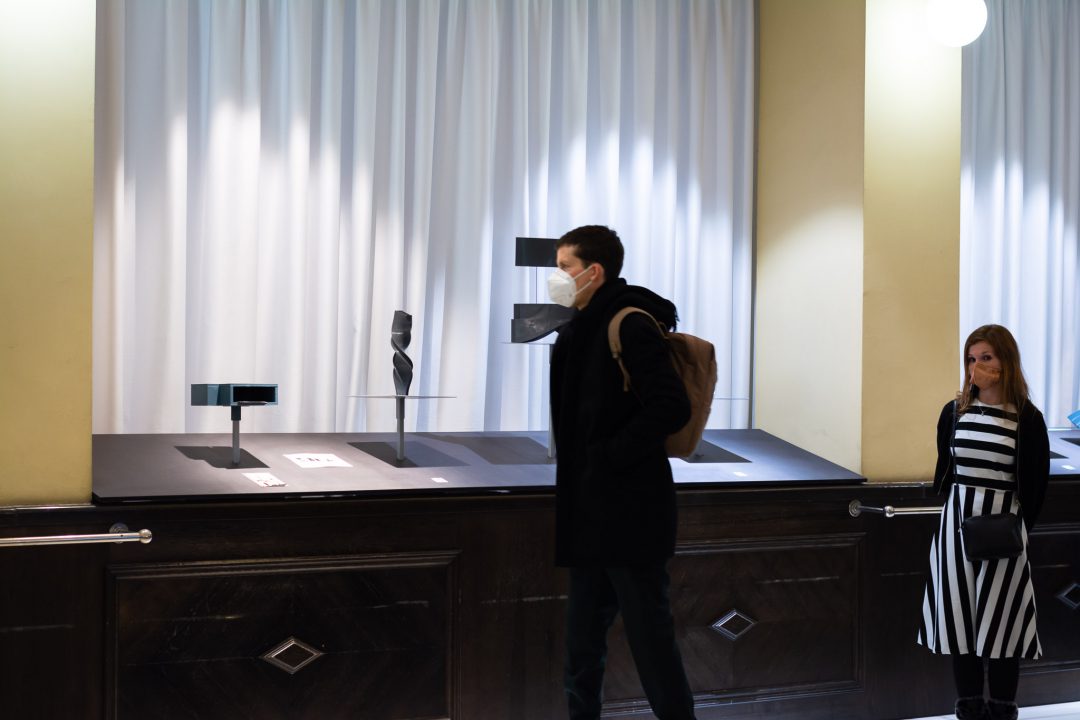
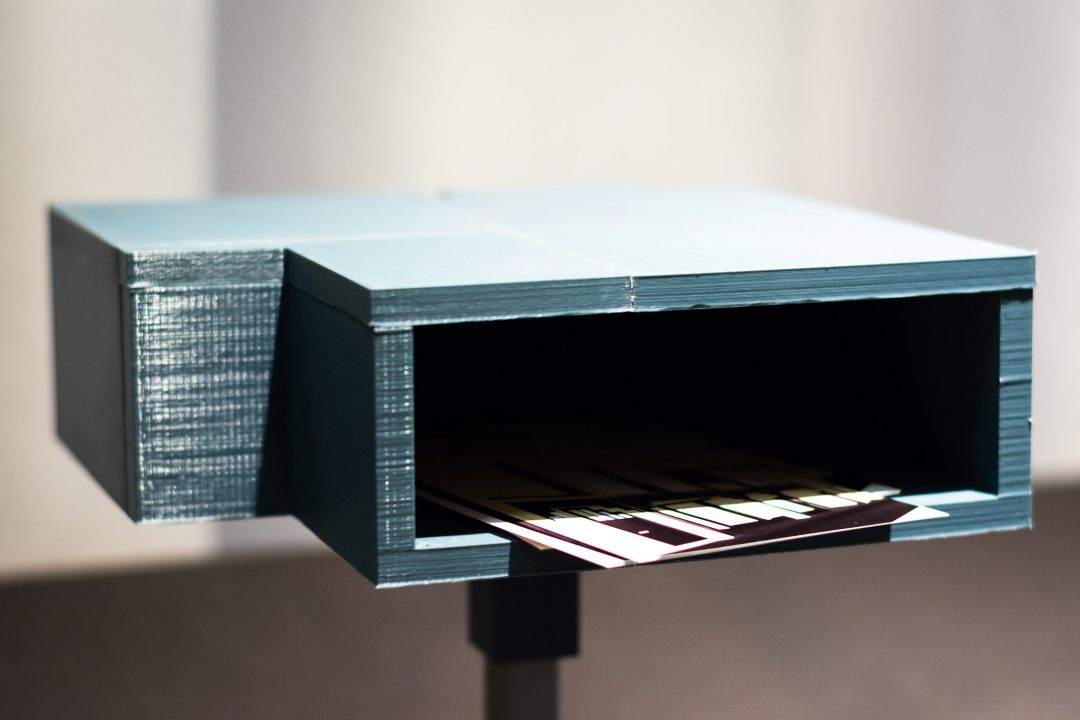
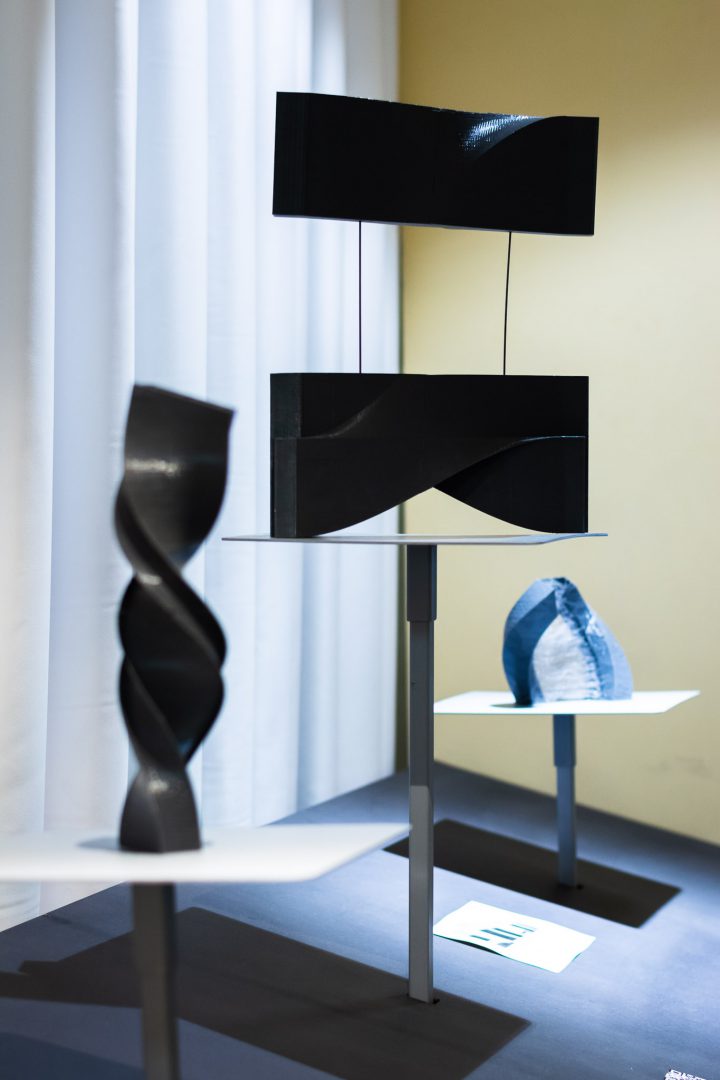
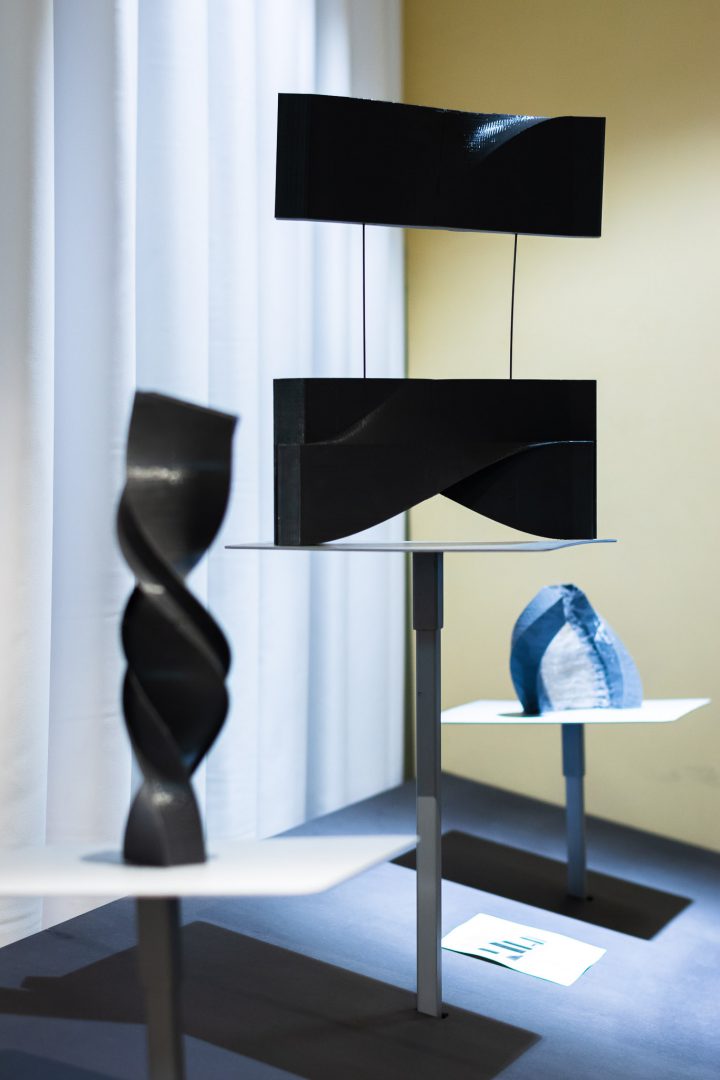
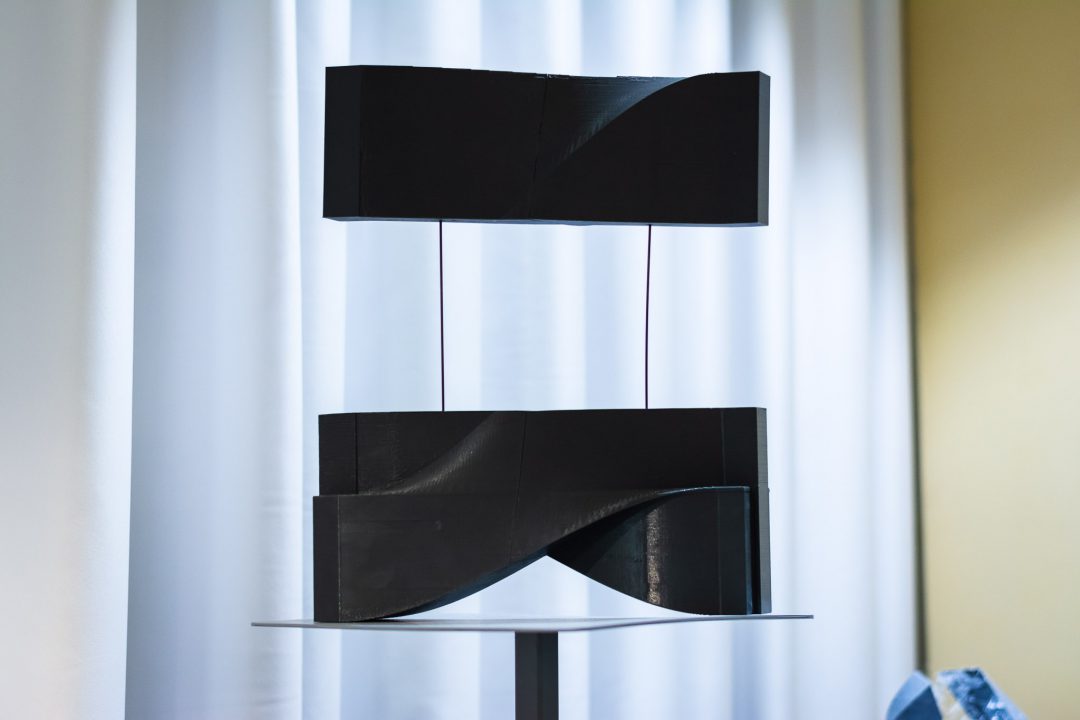
Modernism for the Future 360/365 Project, 3D prints, collaboration with Andrea Uváčiková, Kaunas, 2022
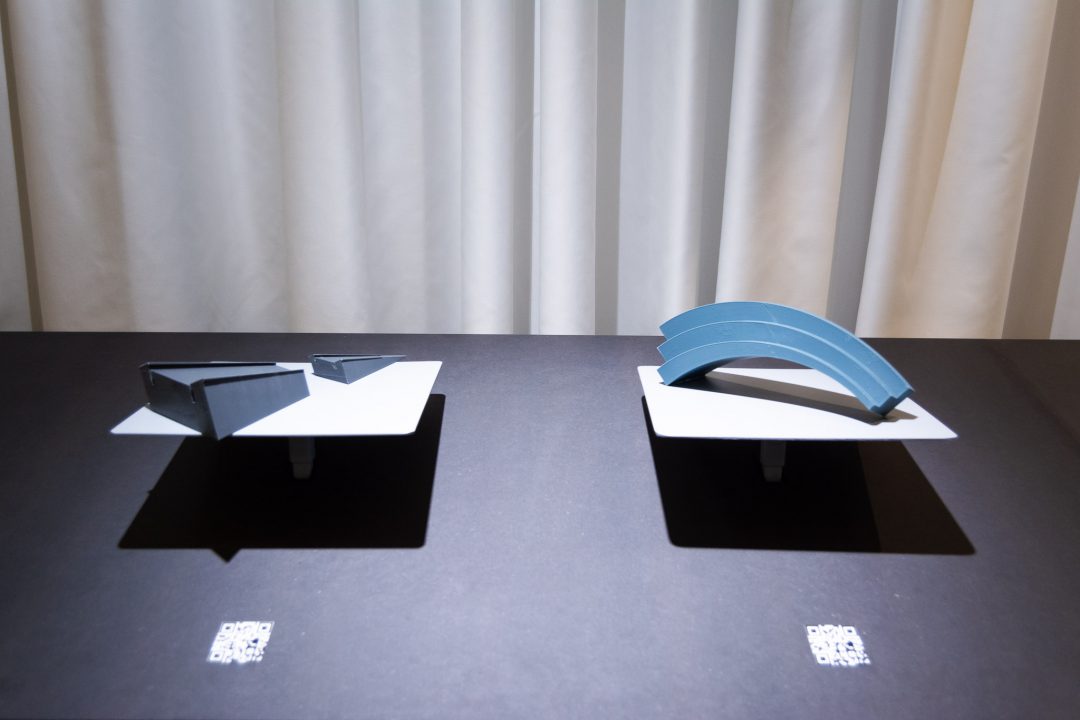
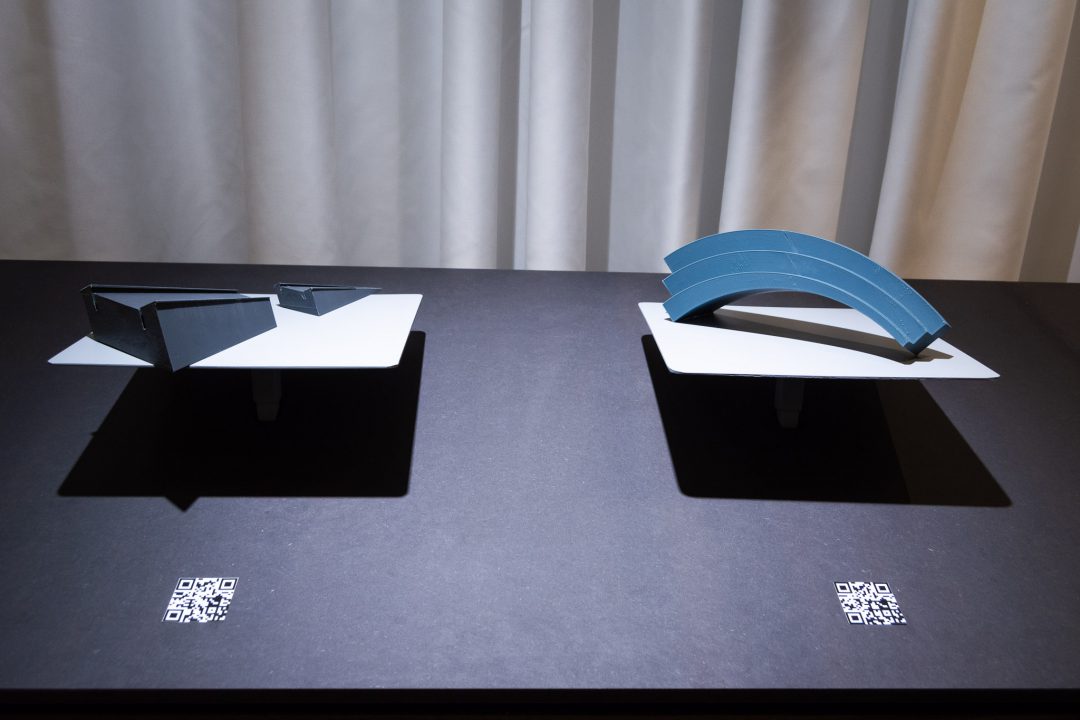
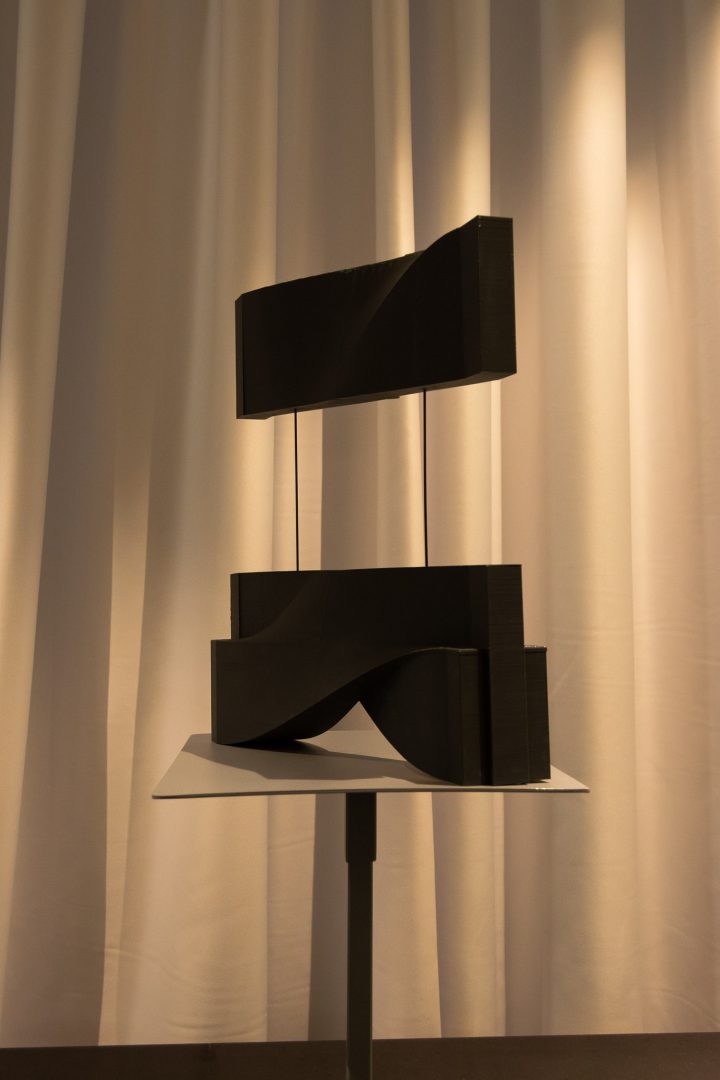
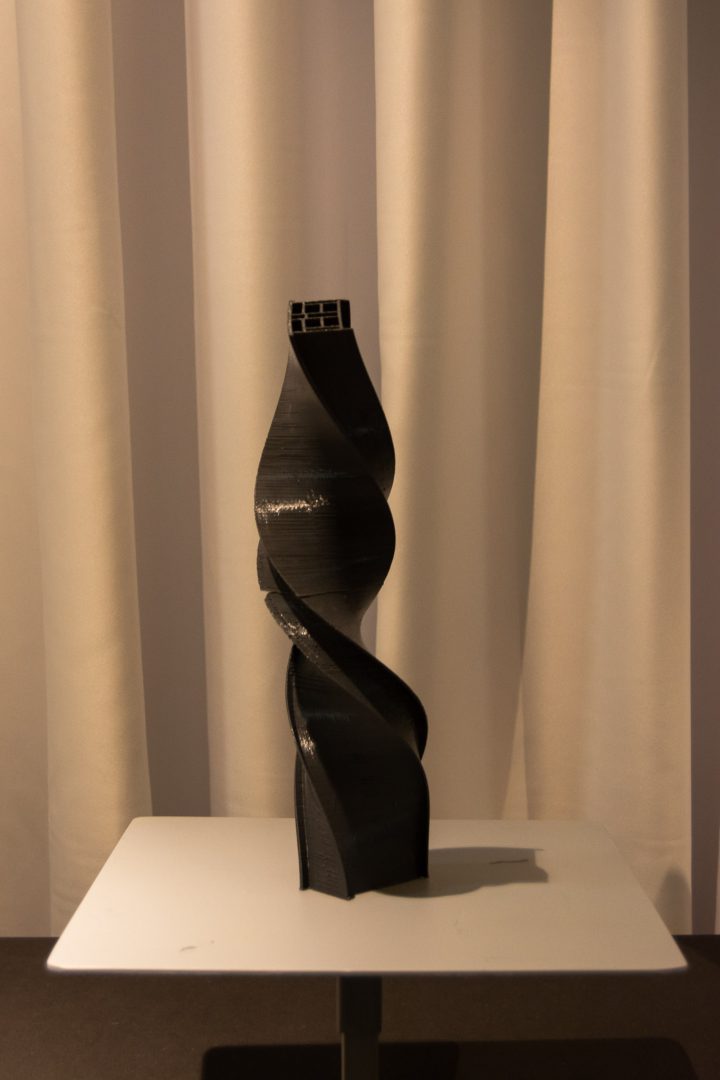
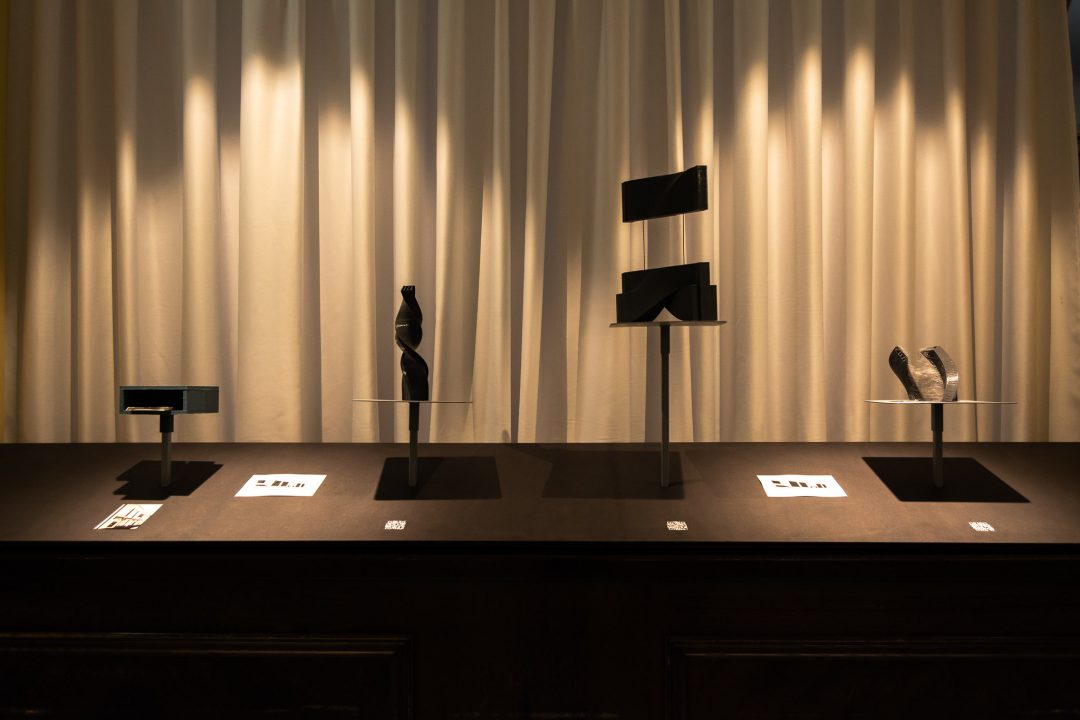
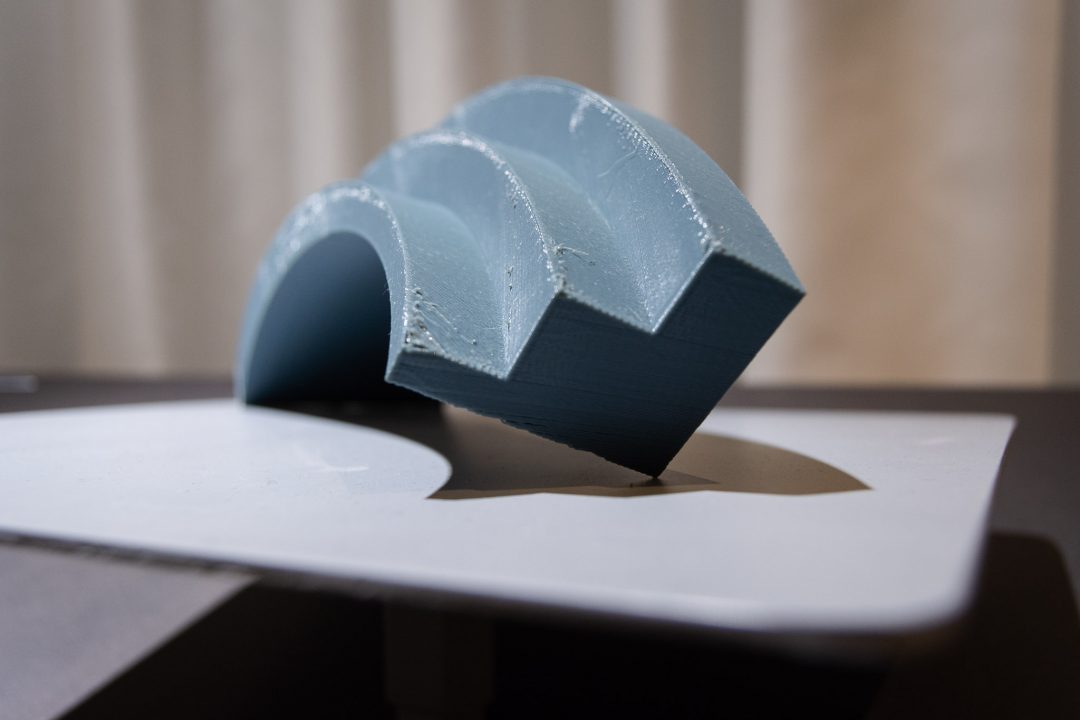
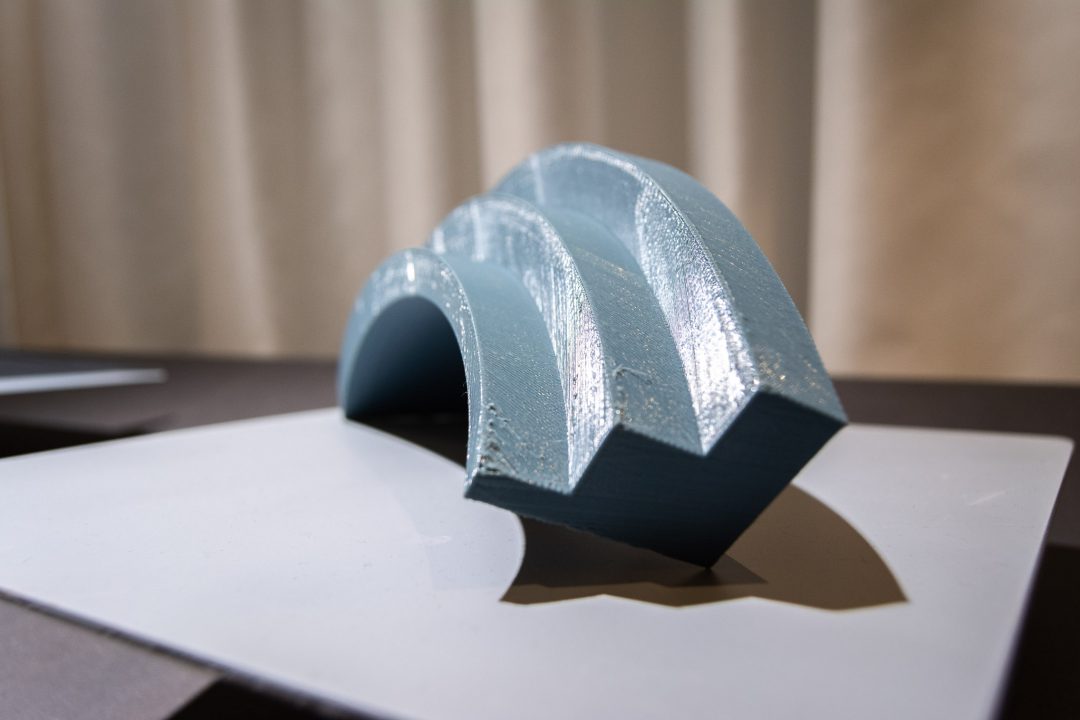
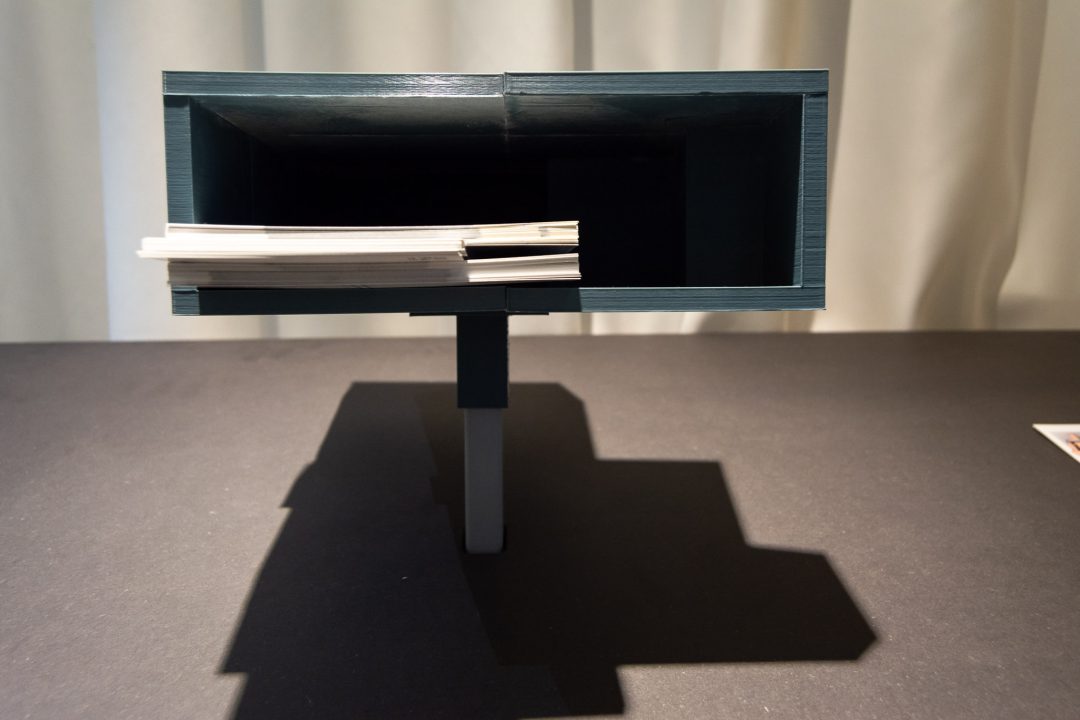
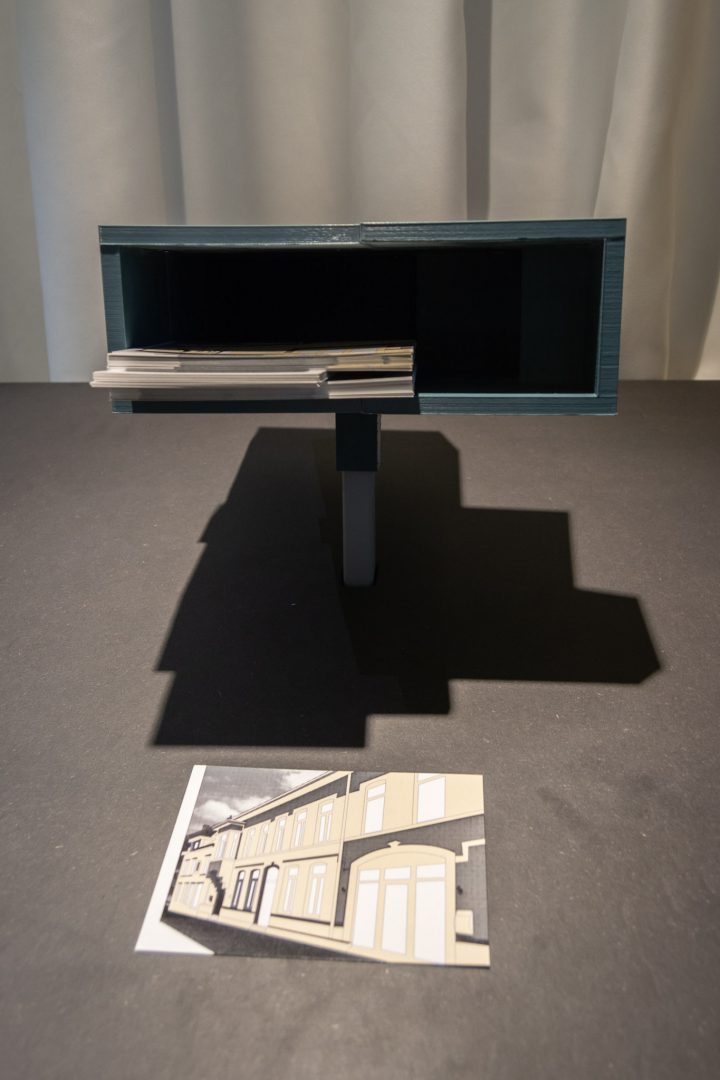
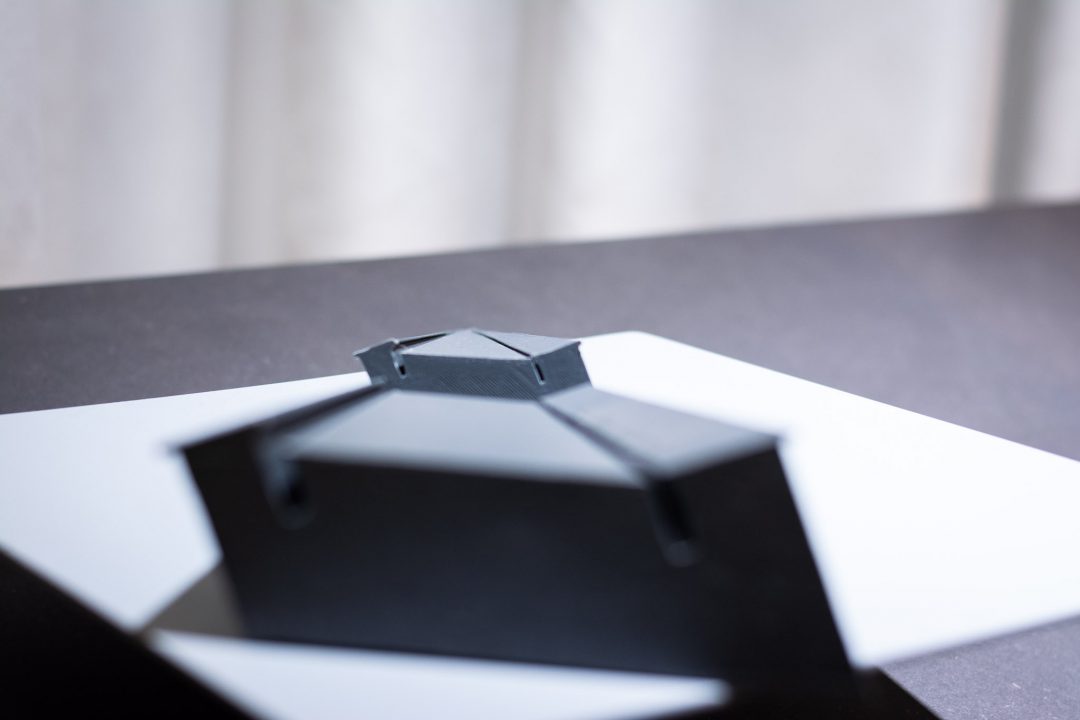
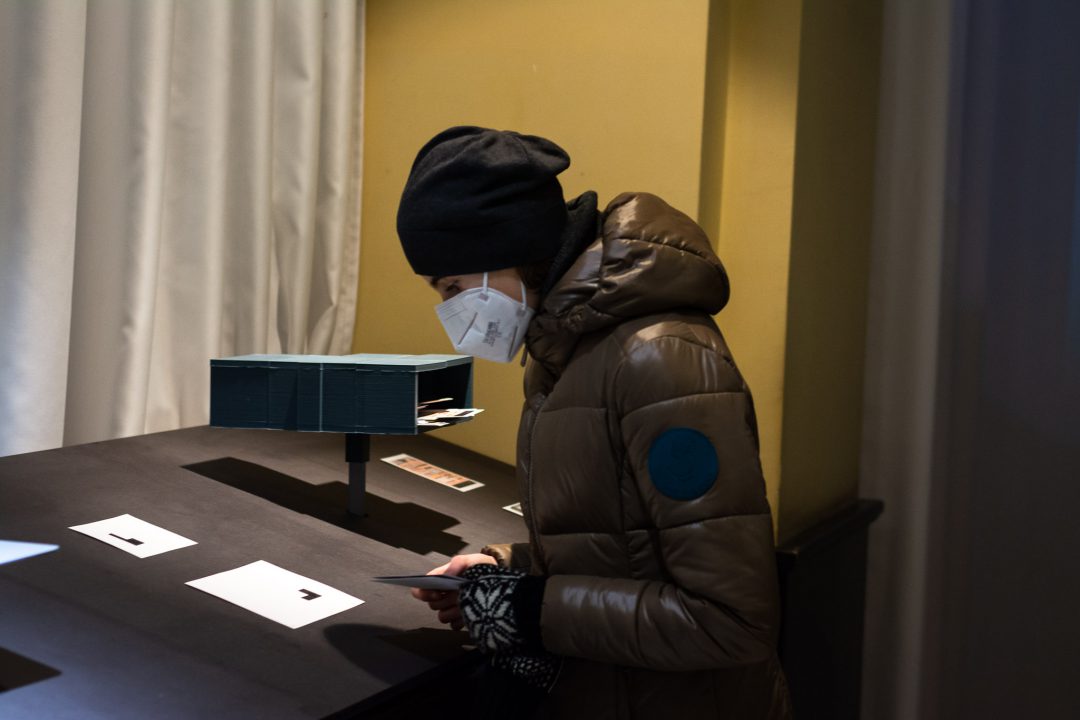
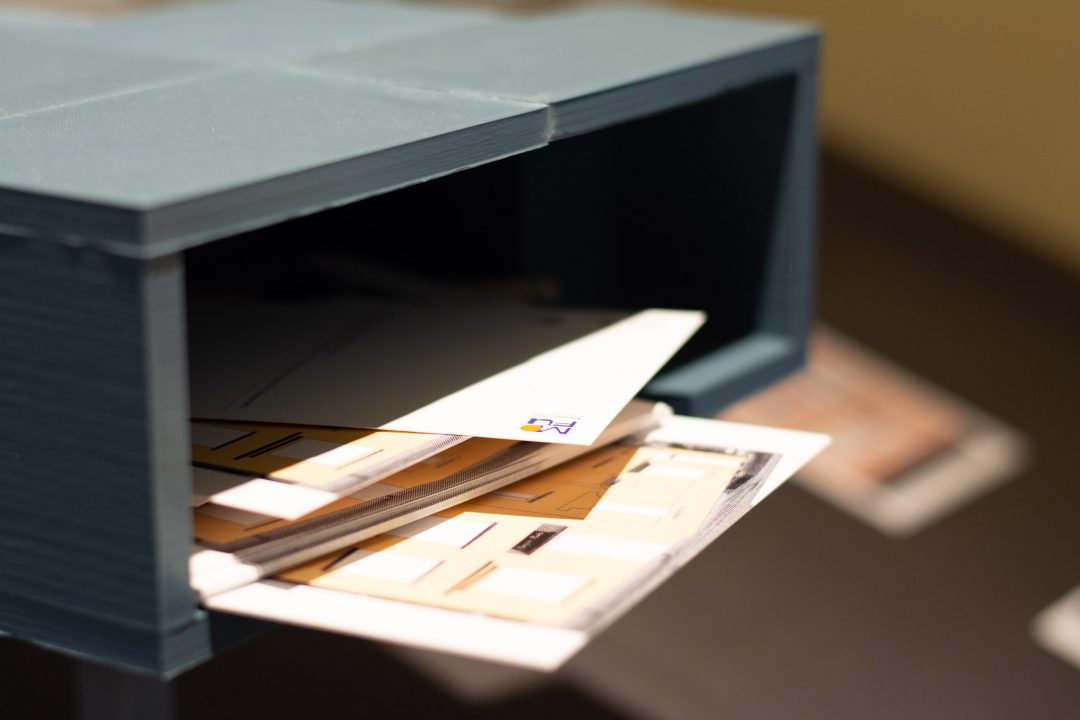
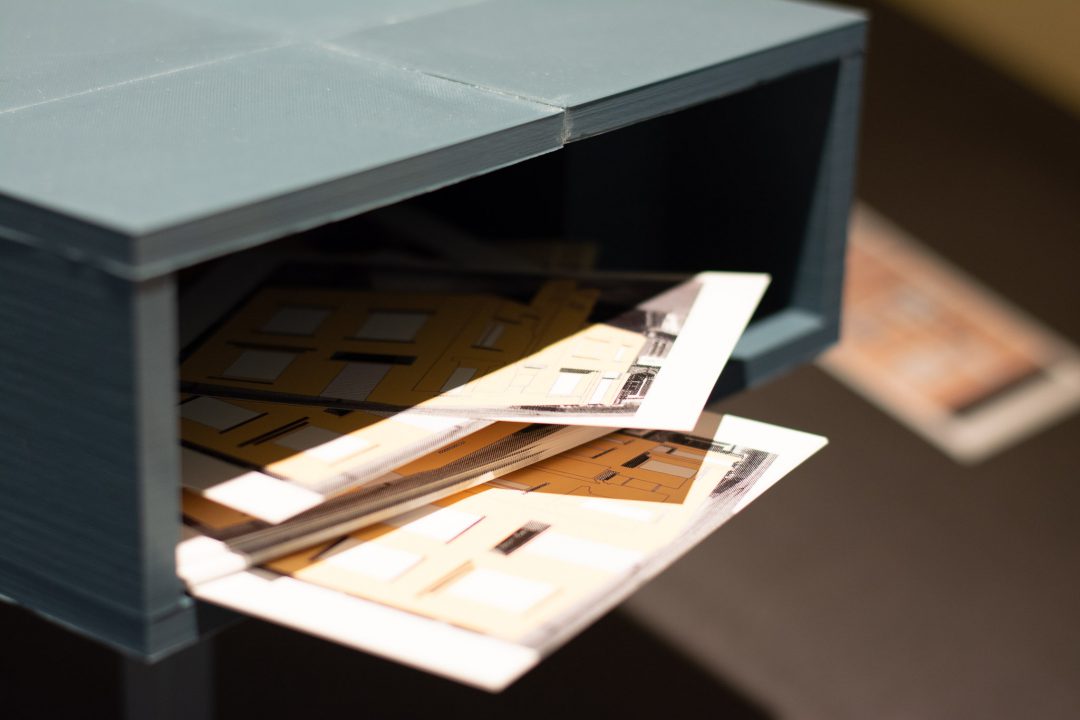
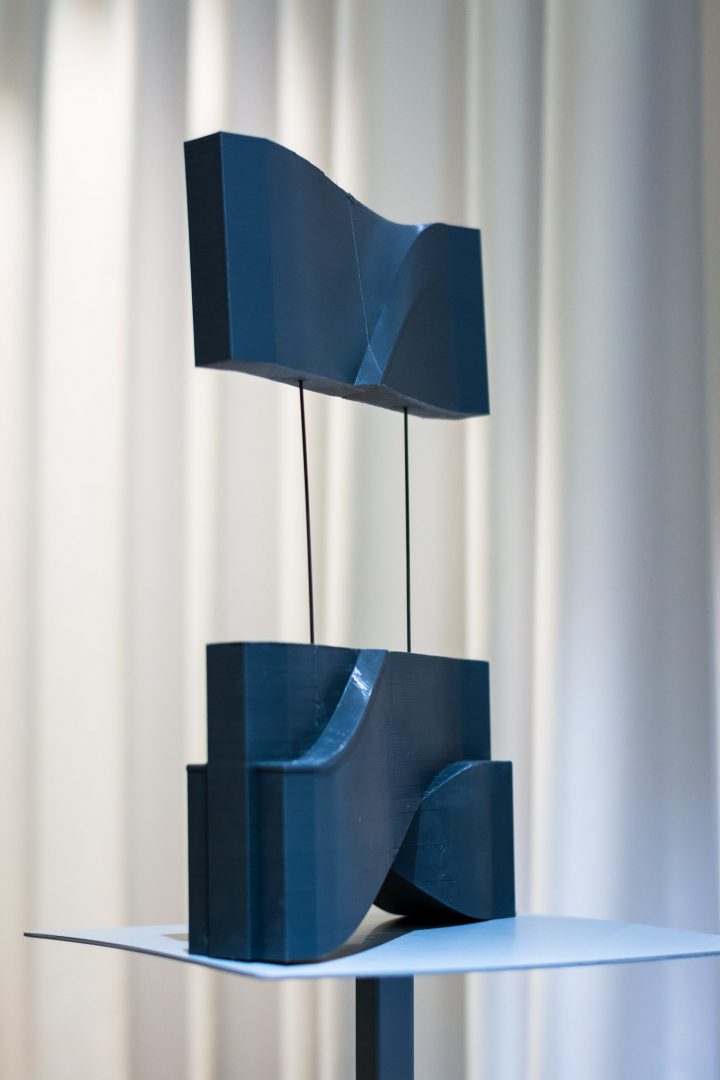
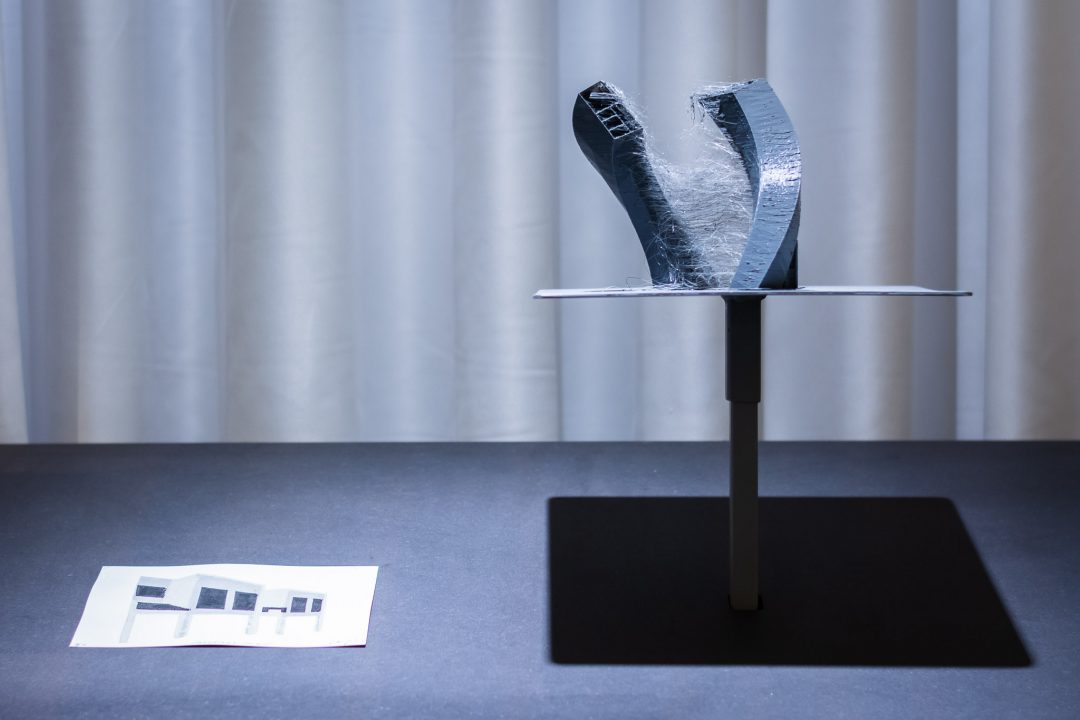
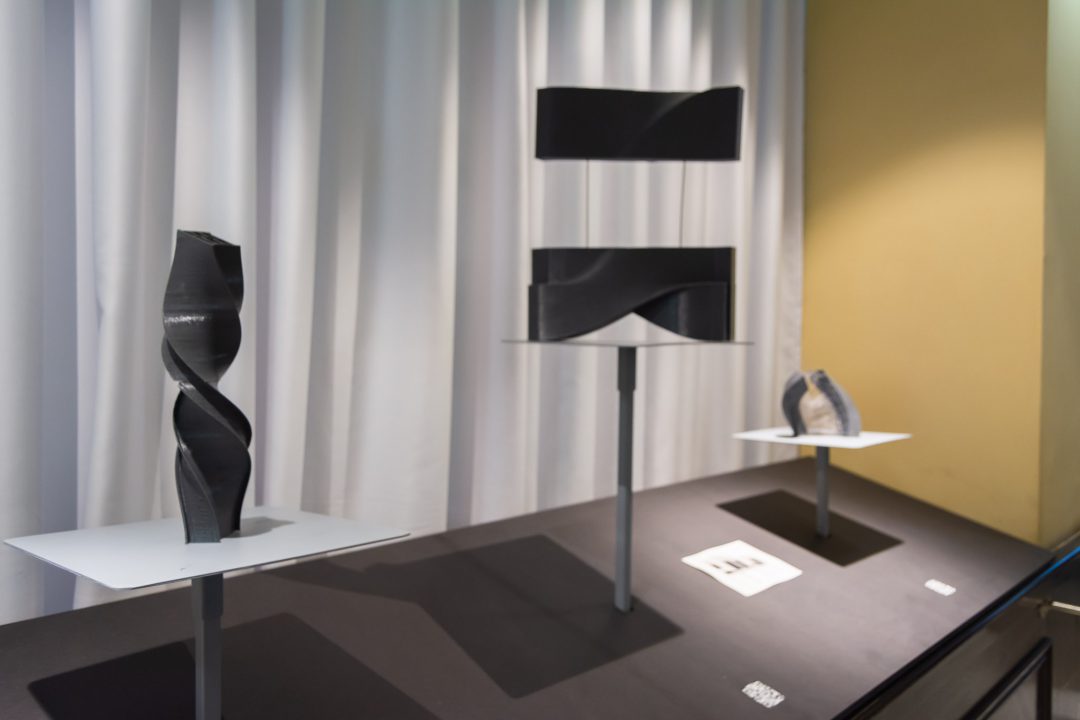
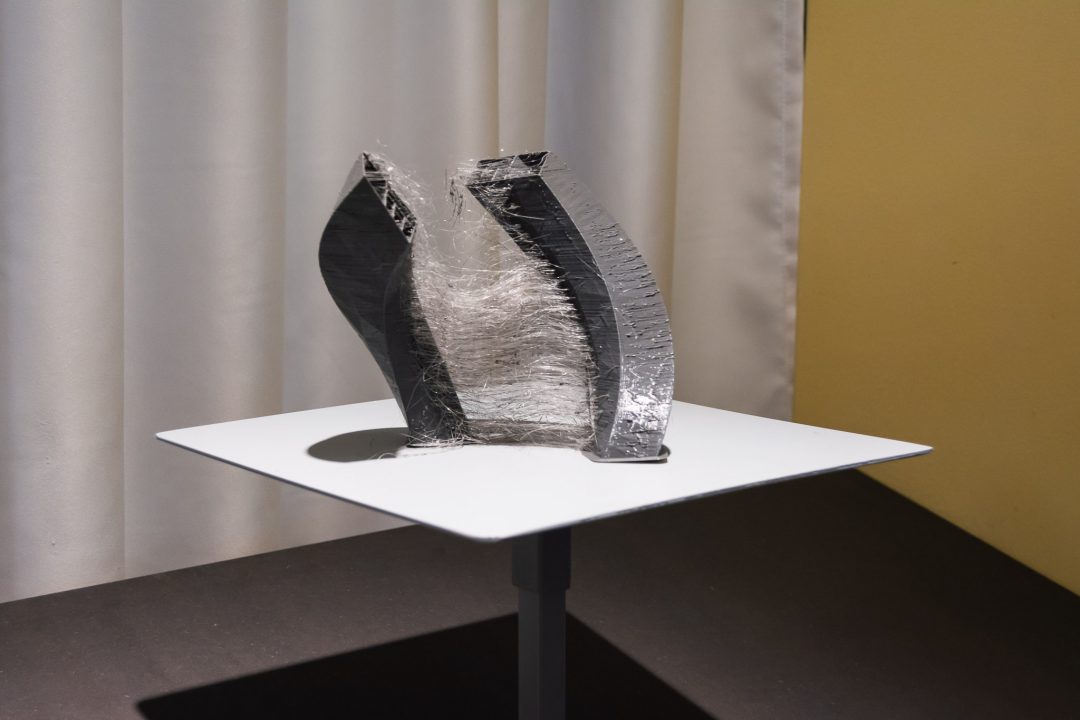
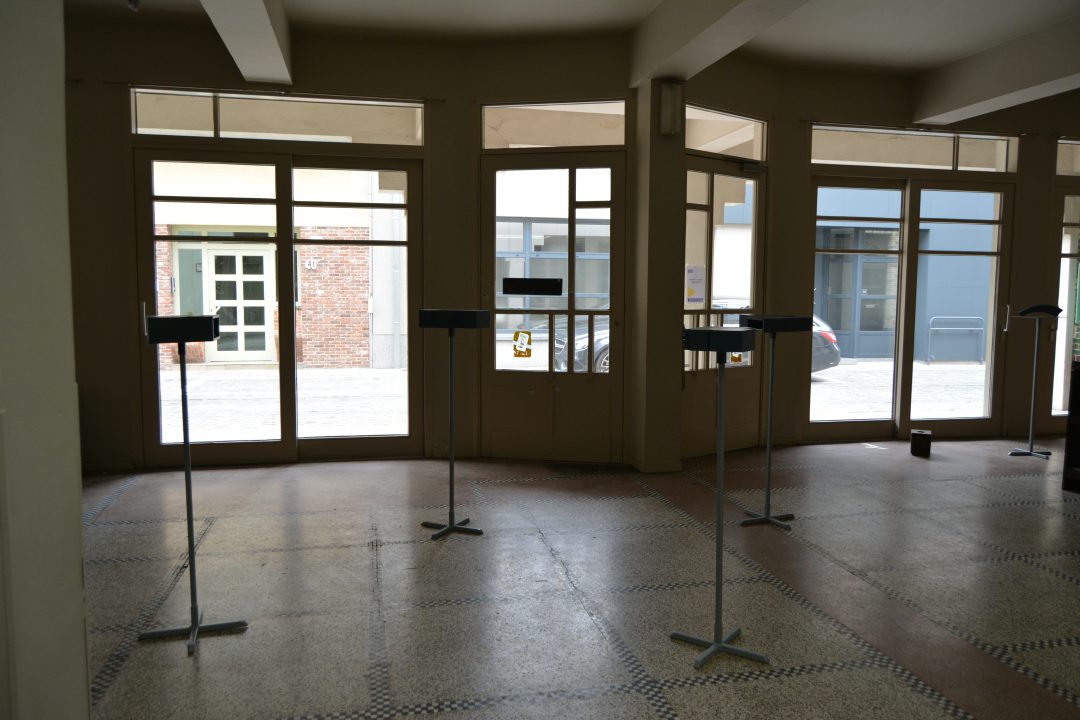
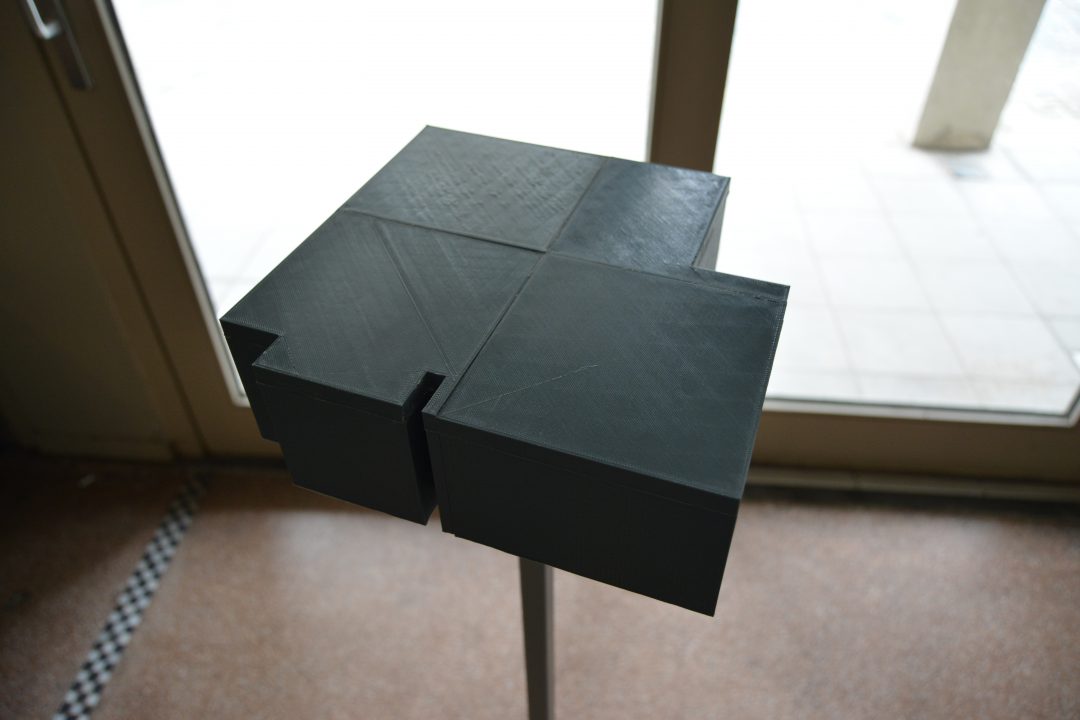
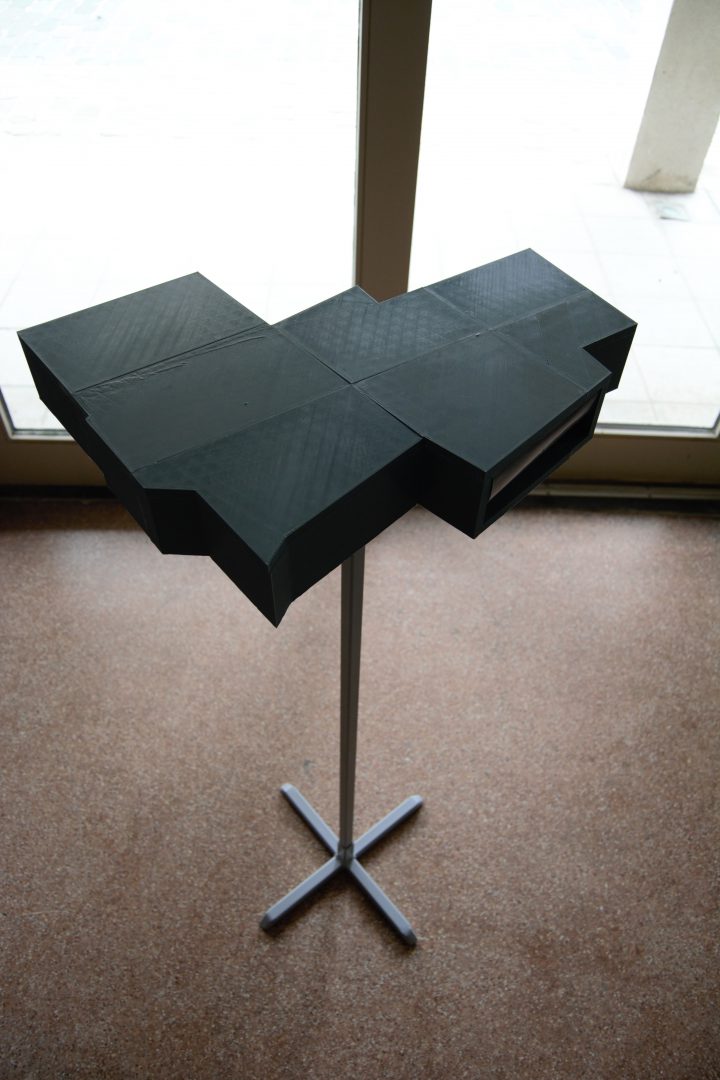
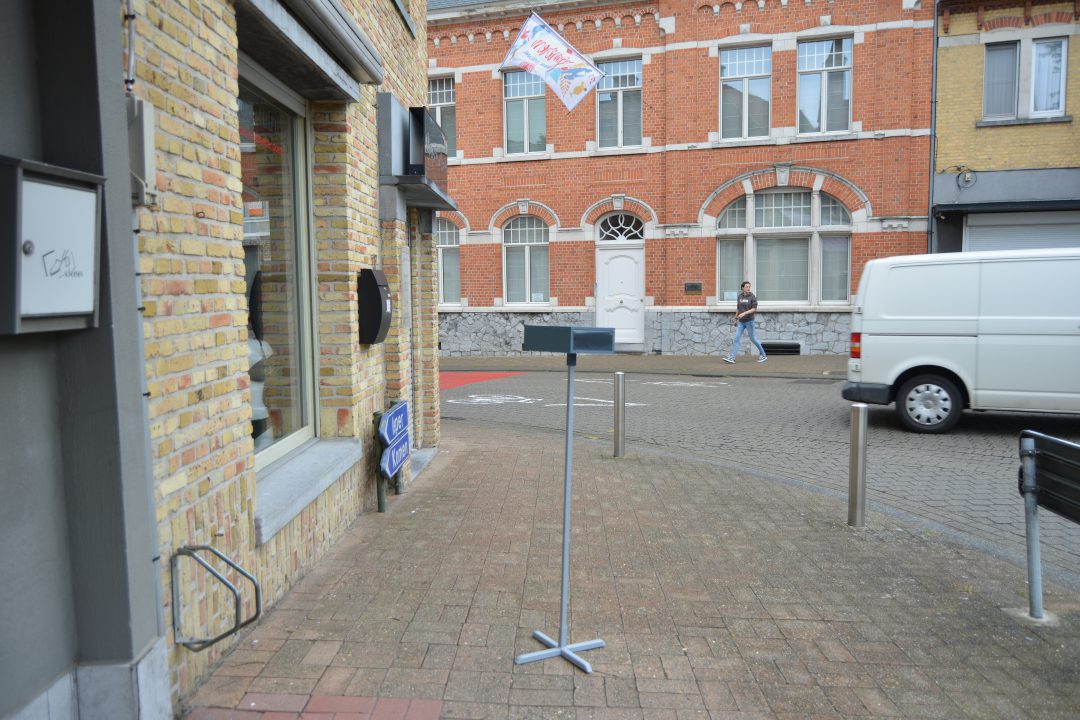
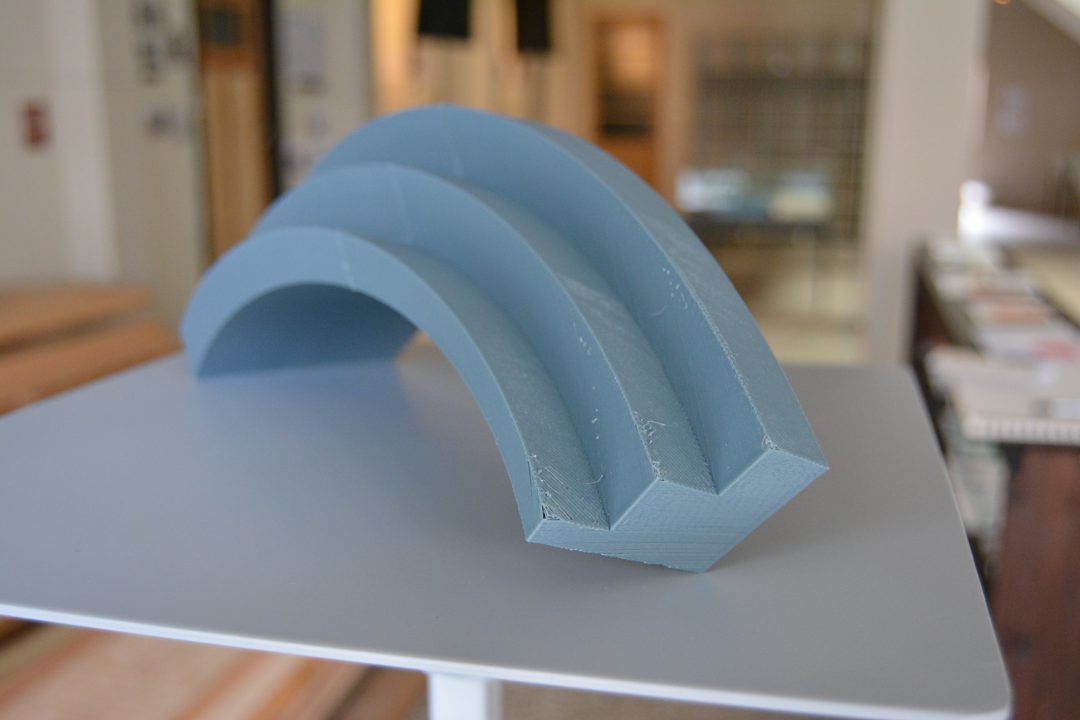
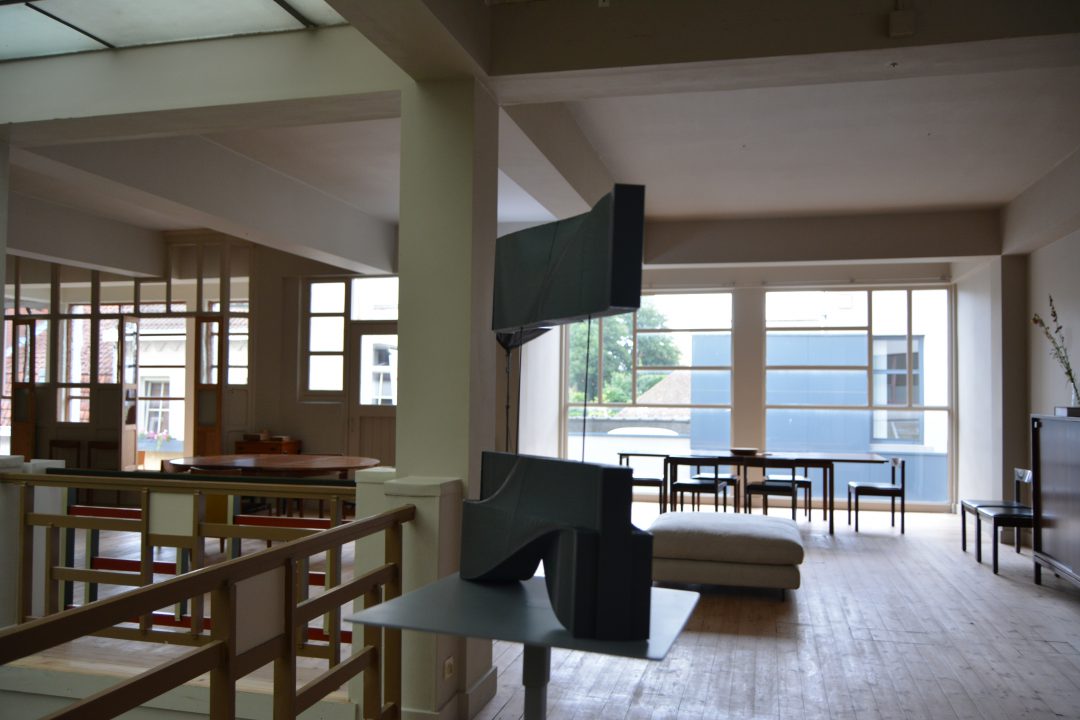
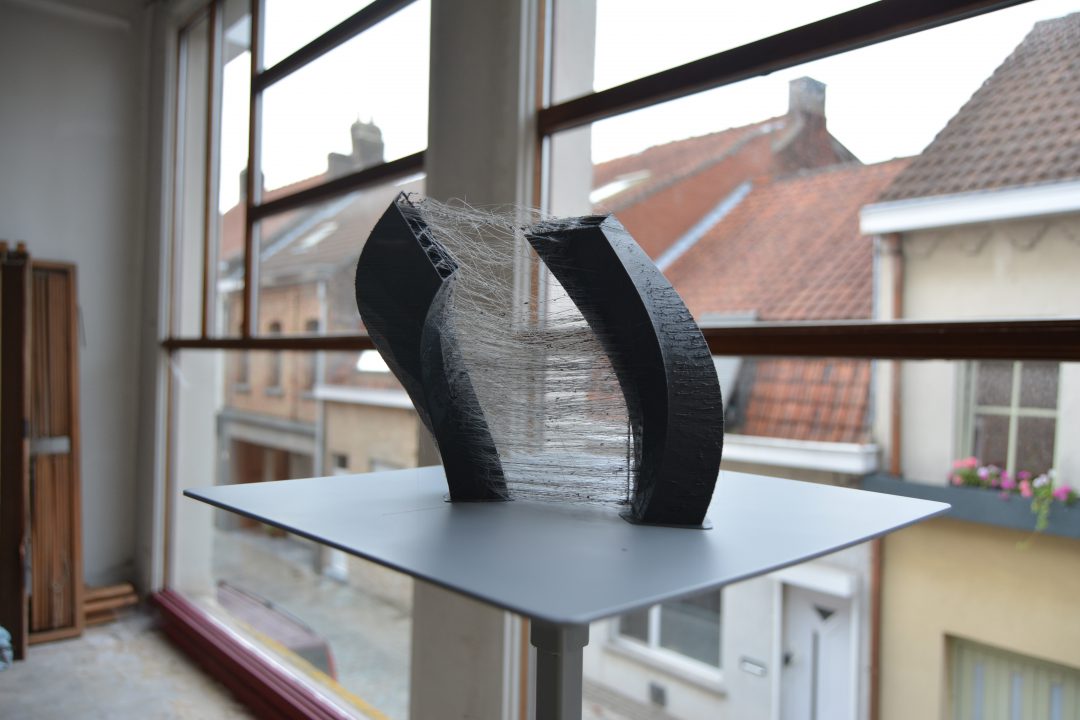
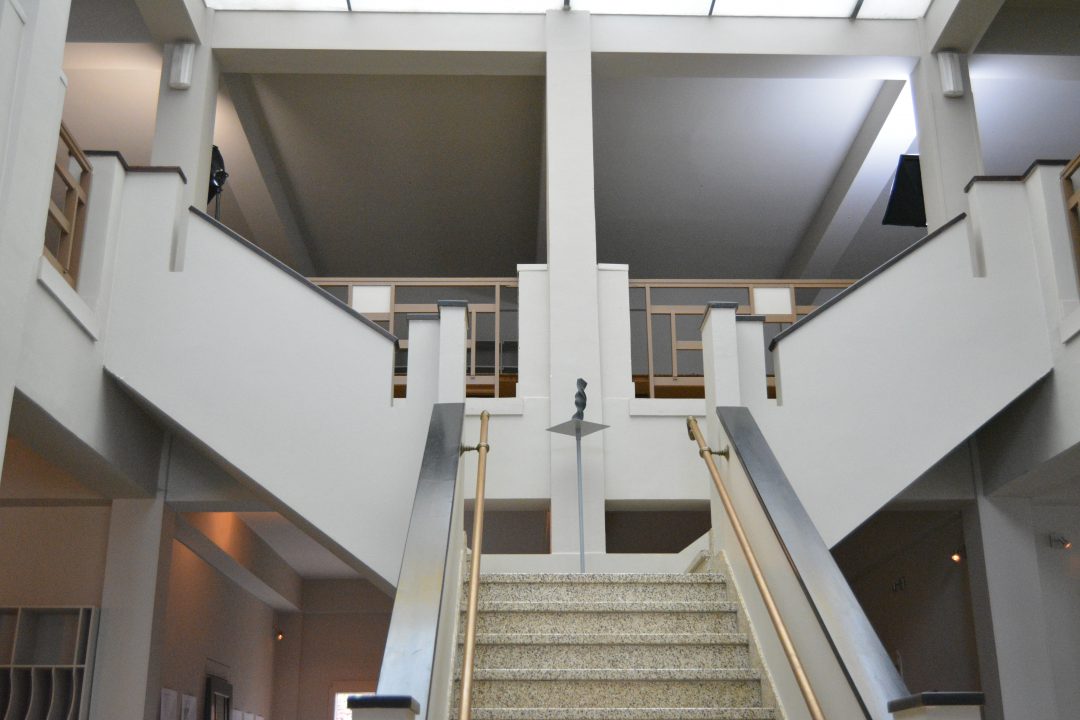
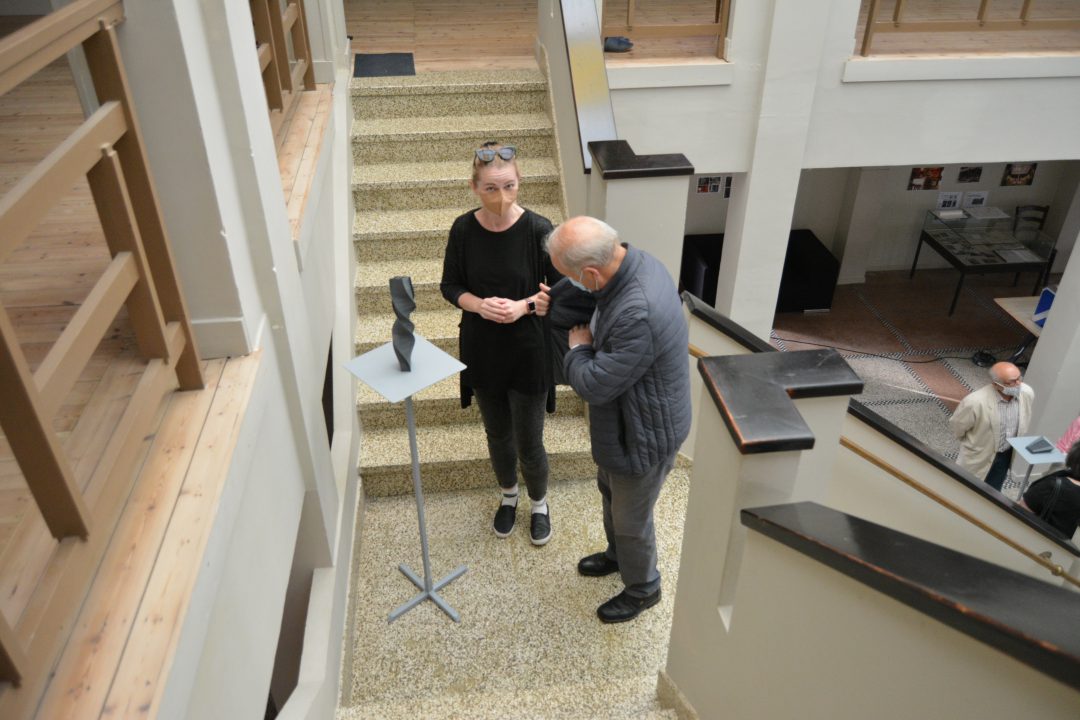
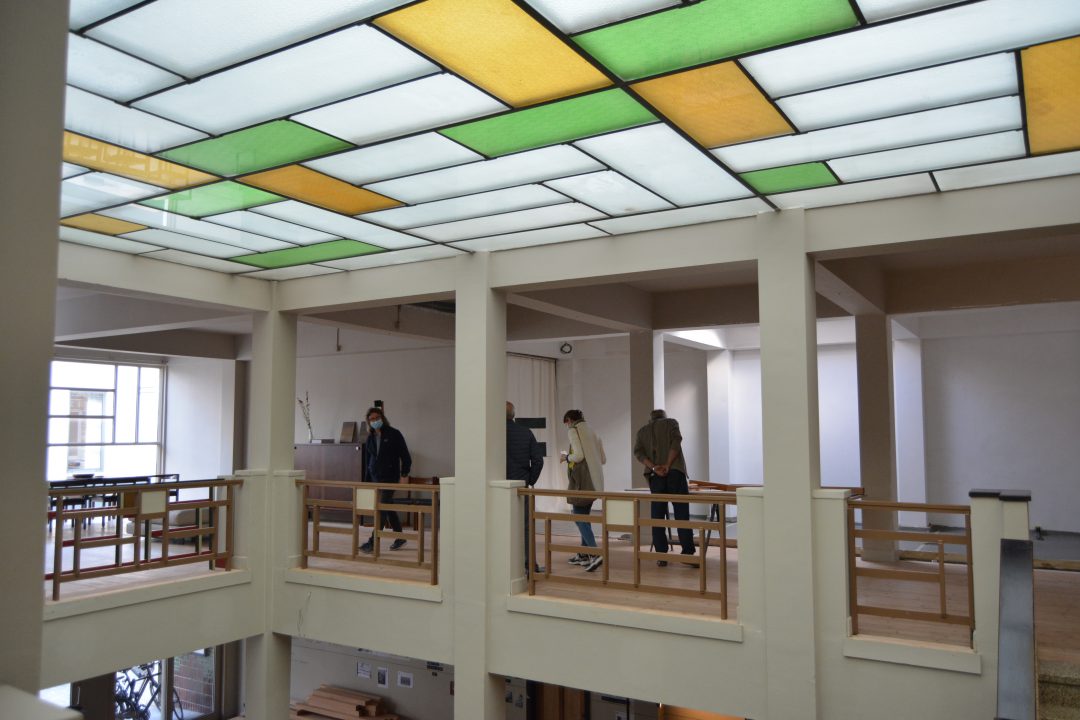
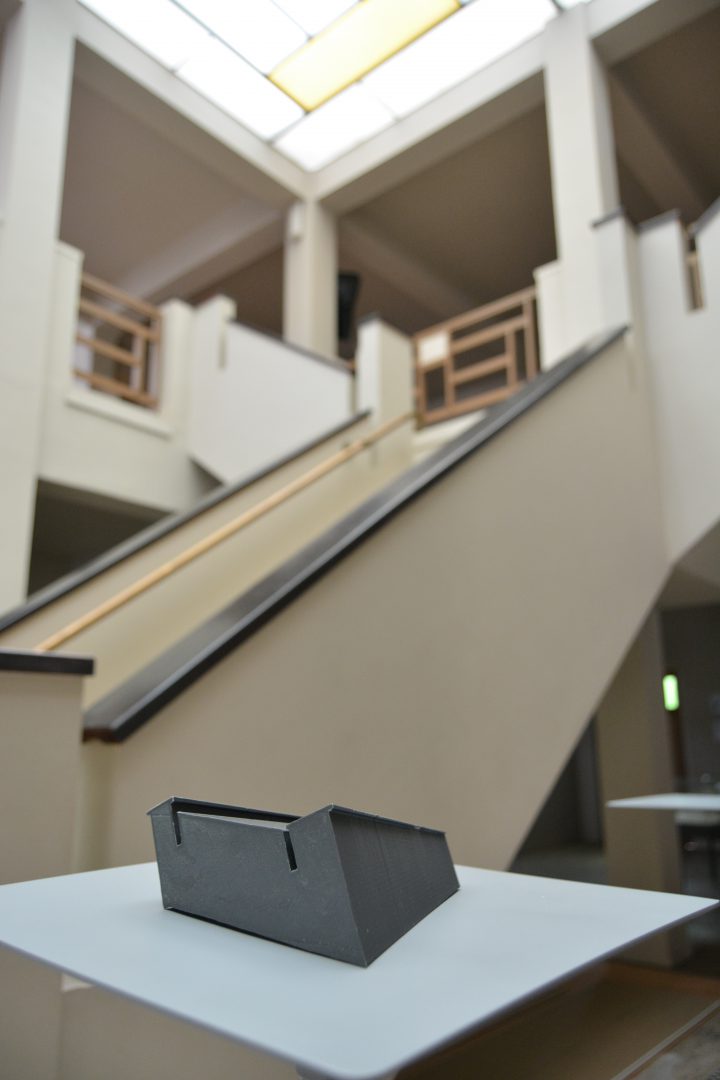
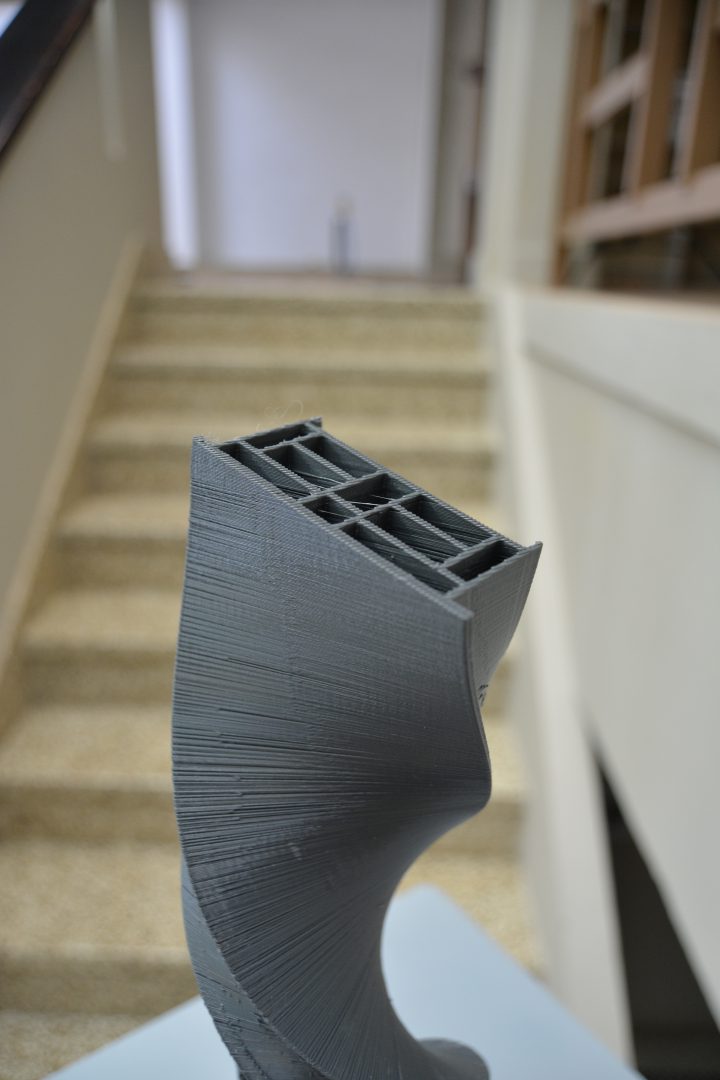
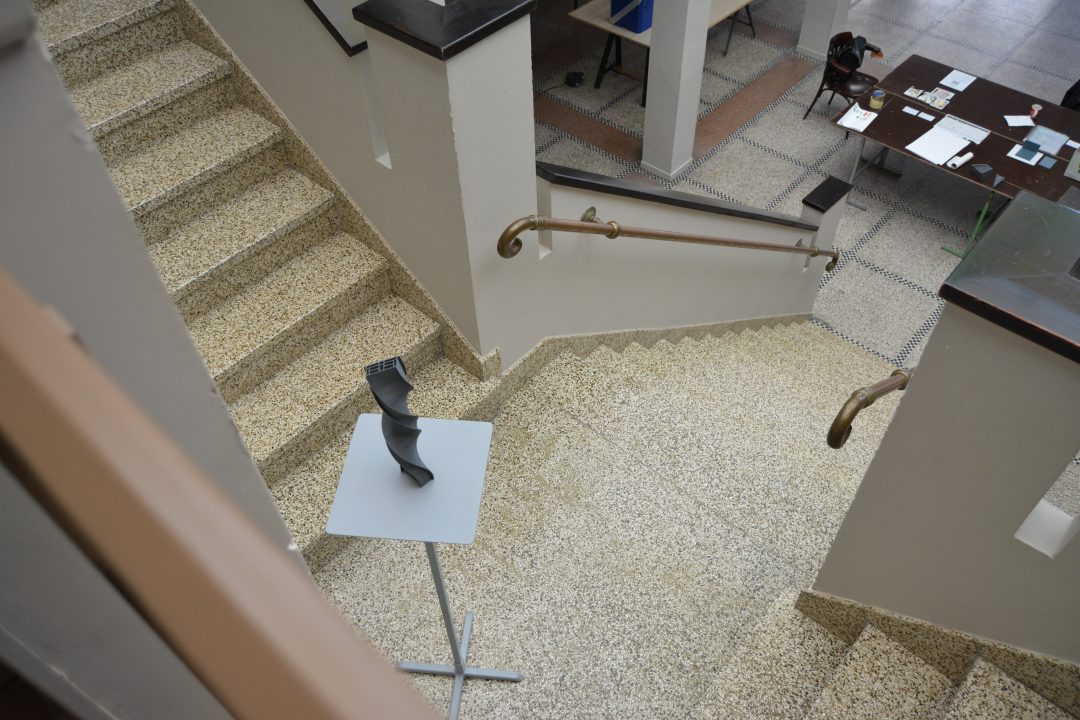
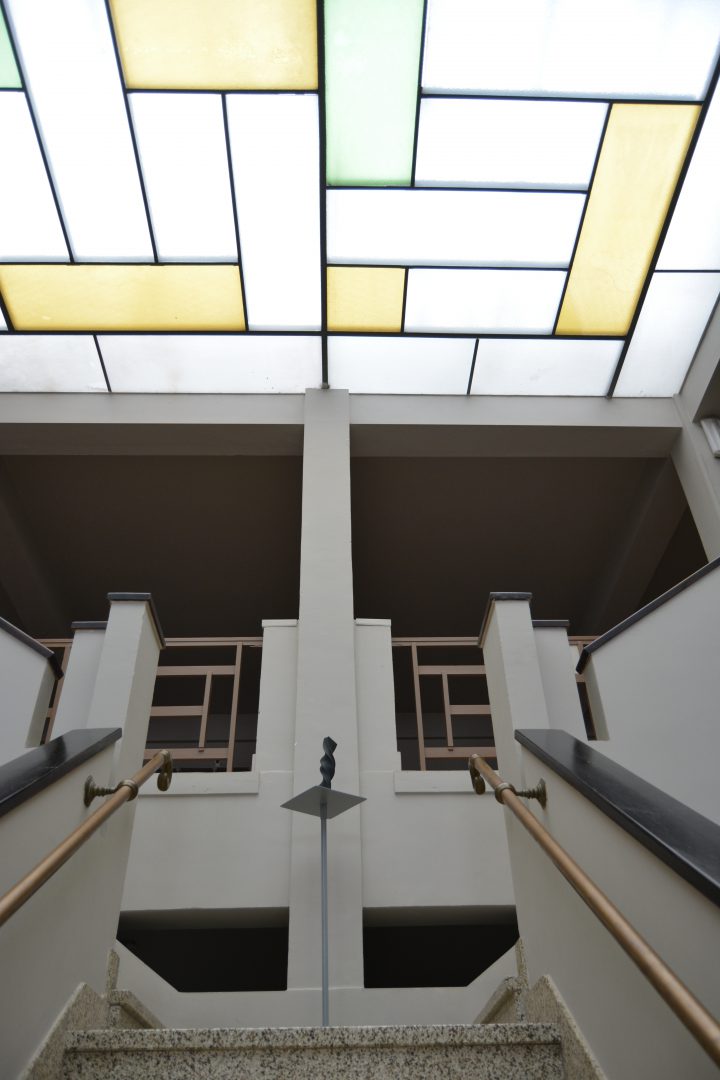
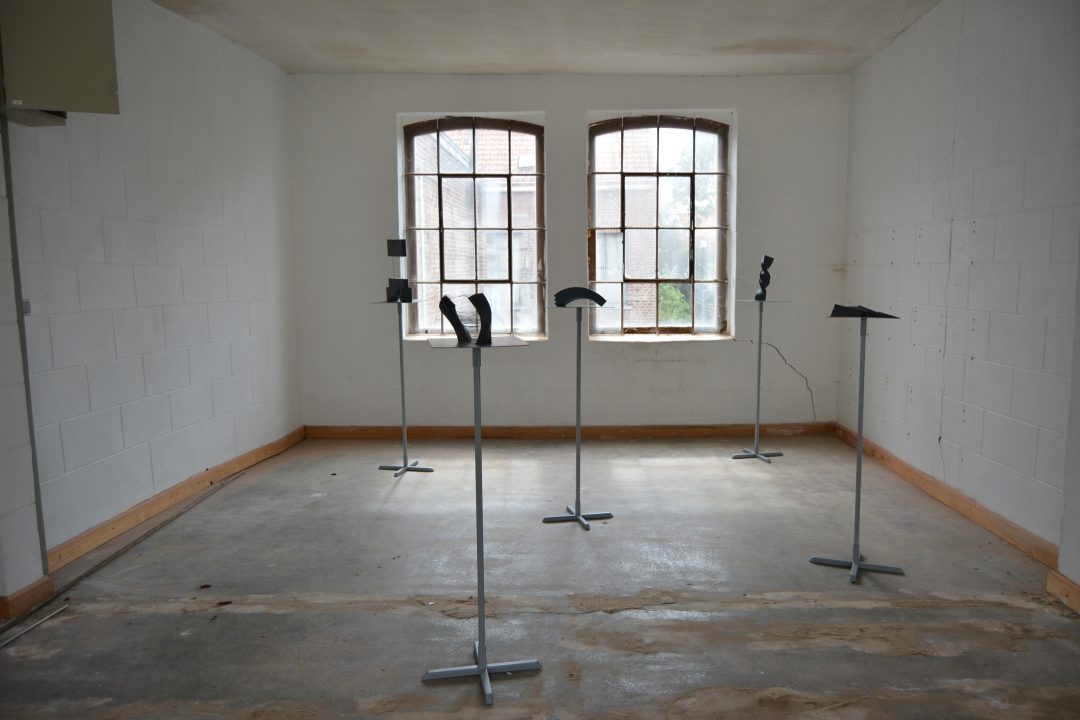
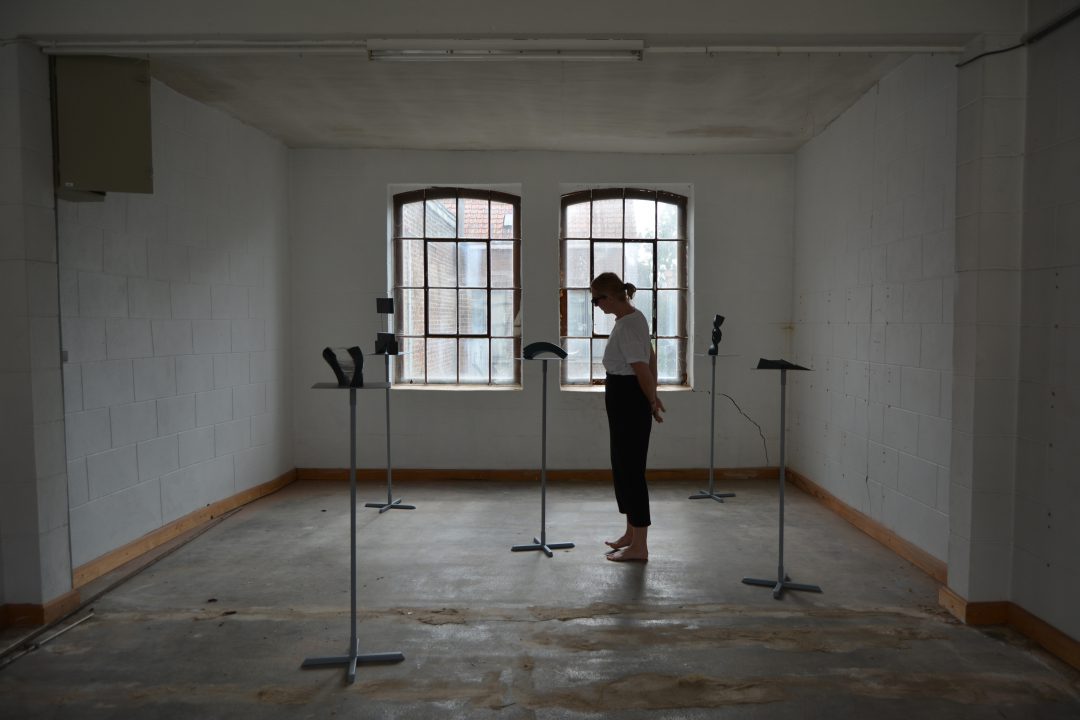
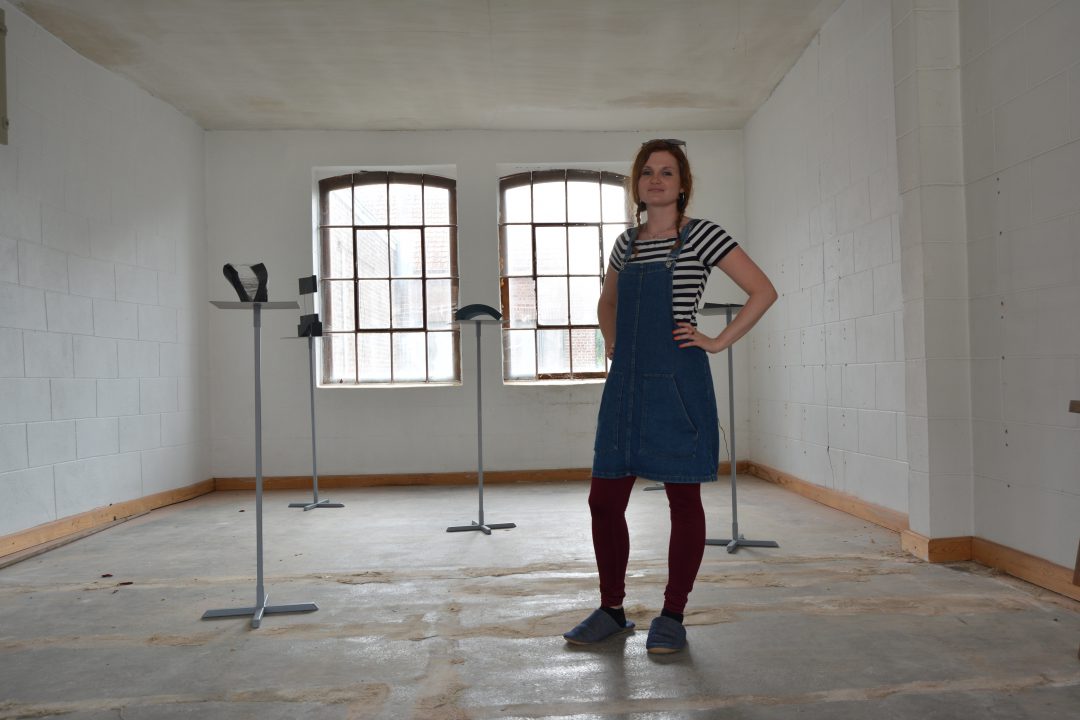
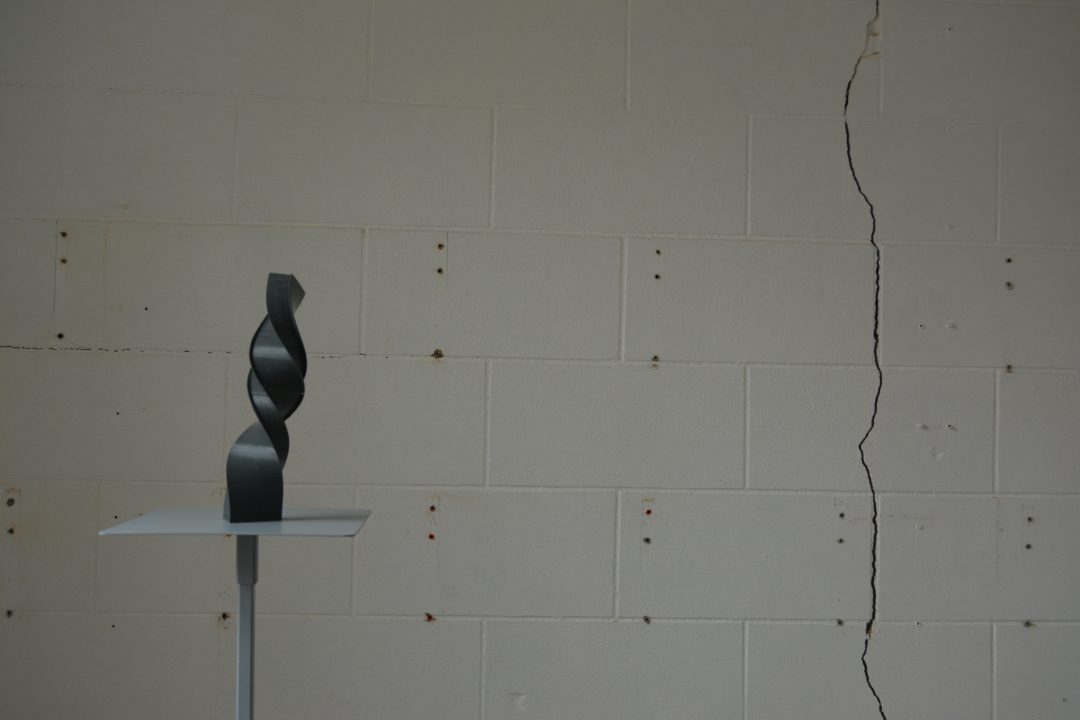
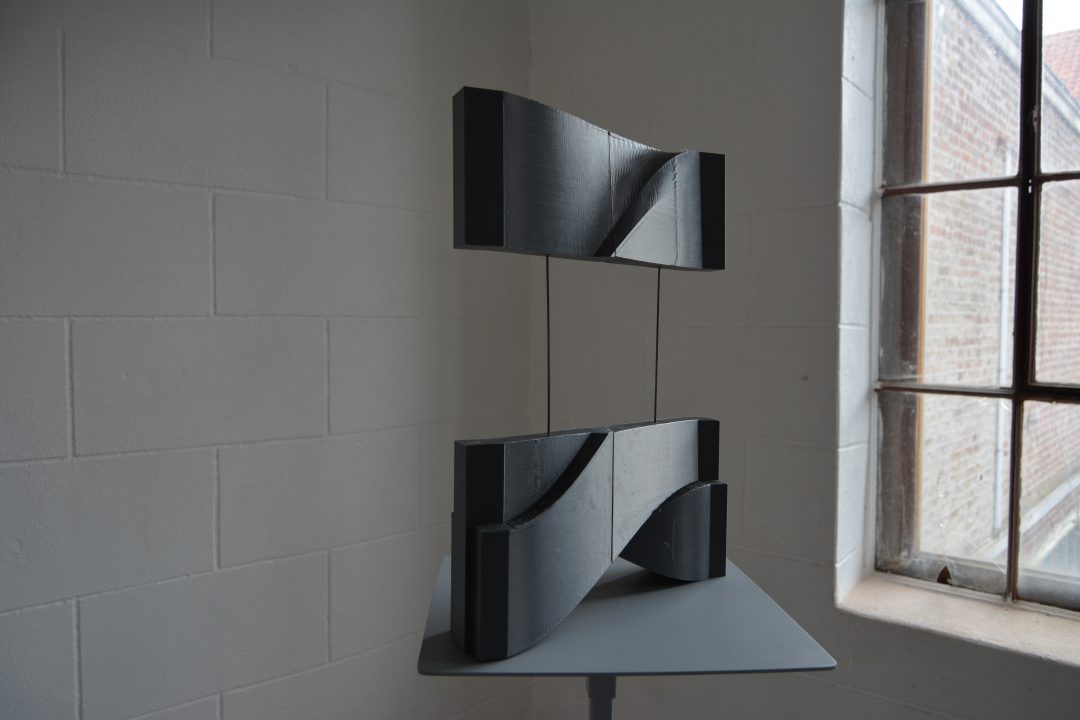
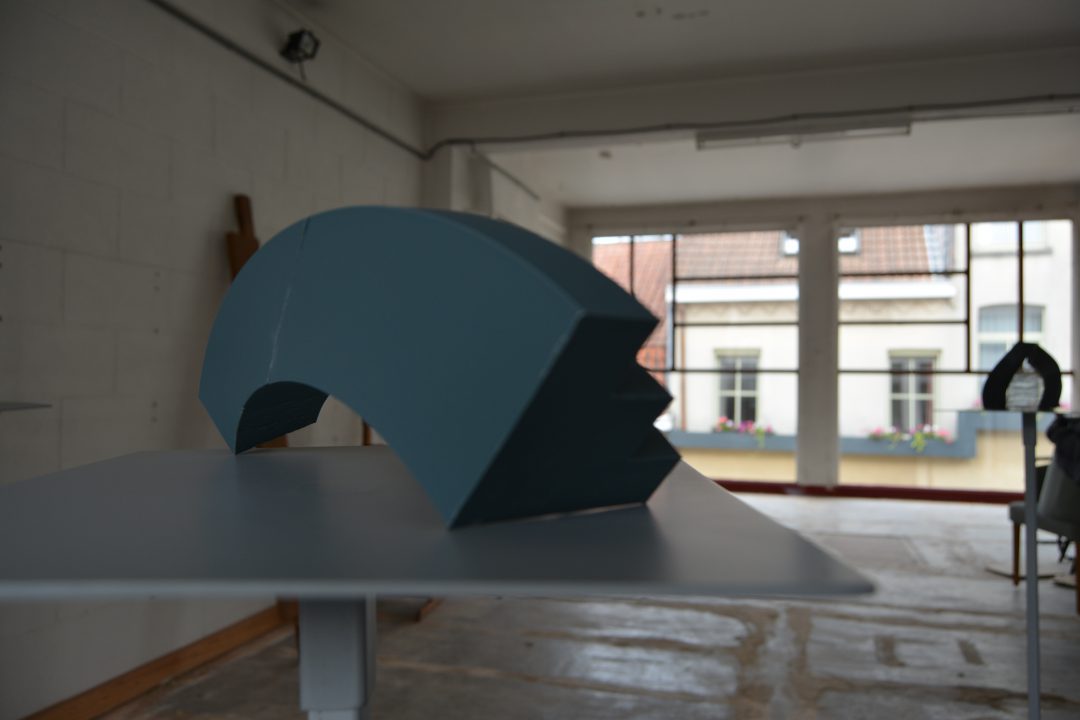
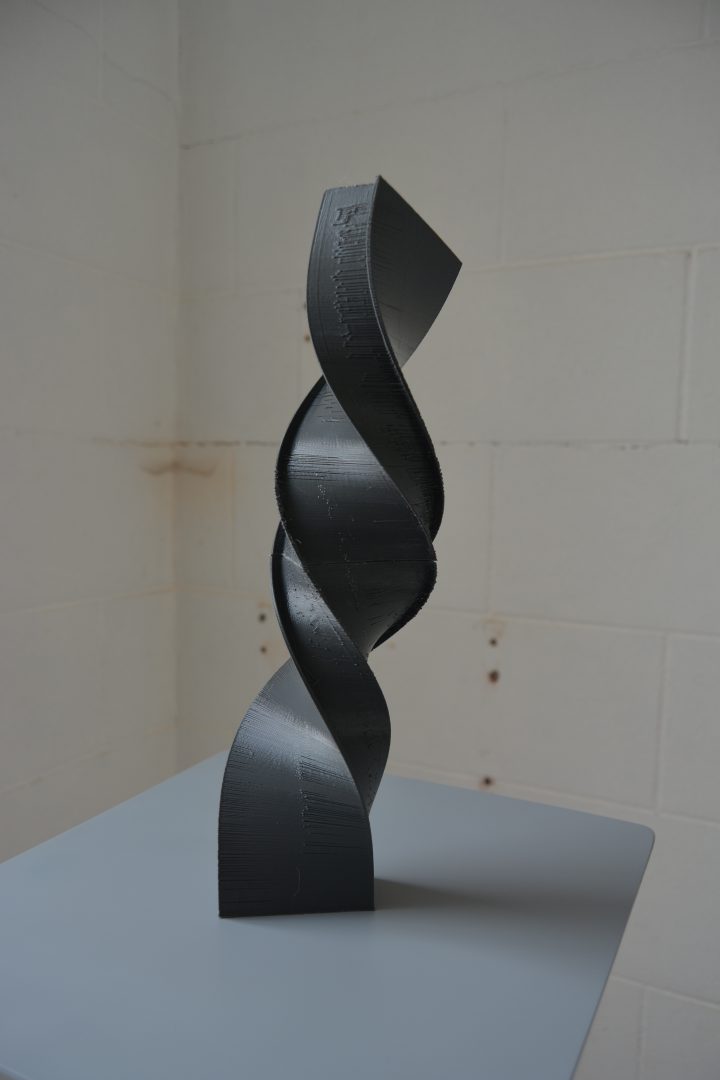
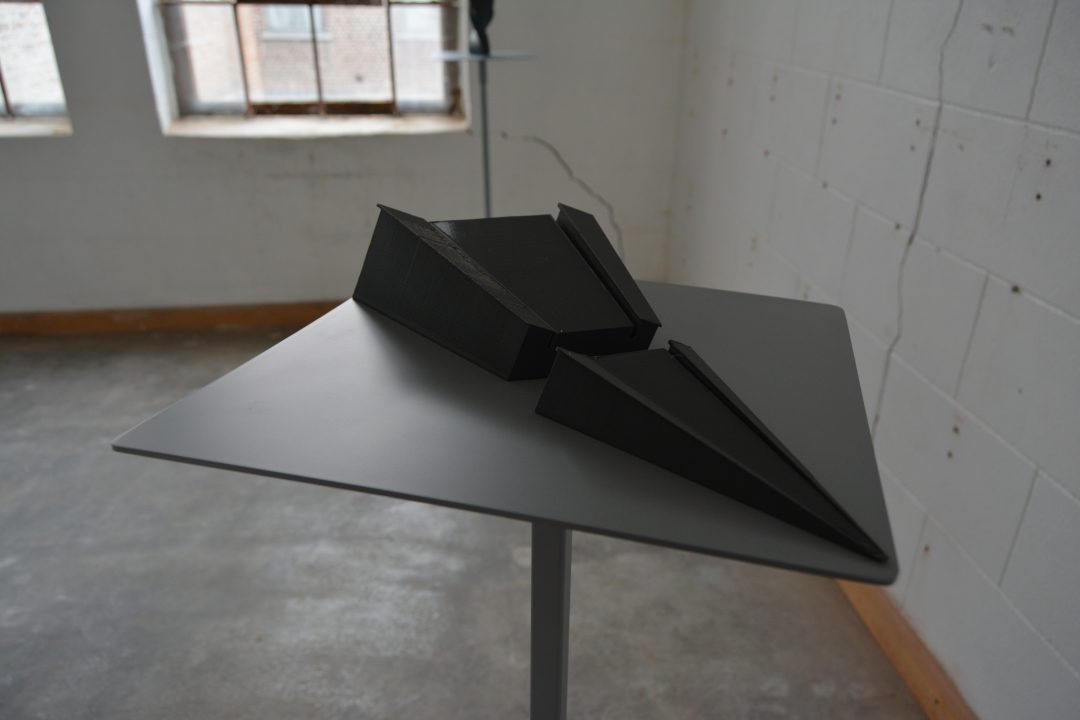
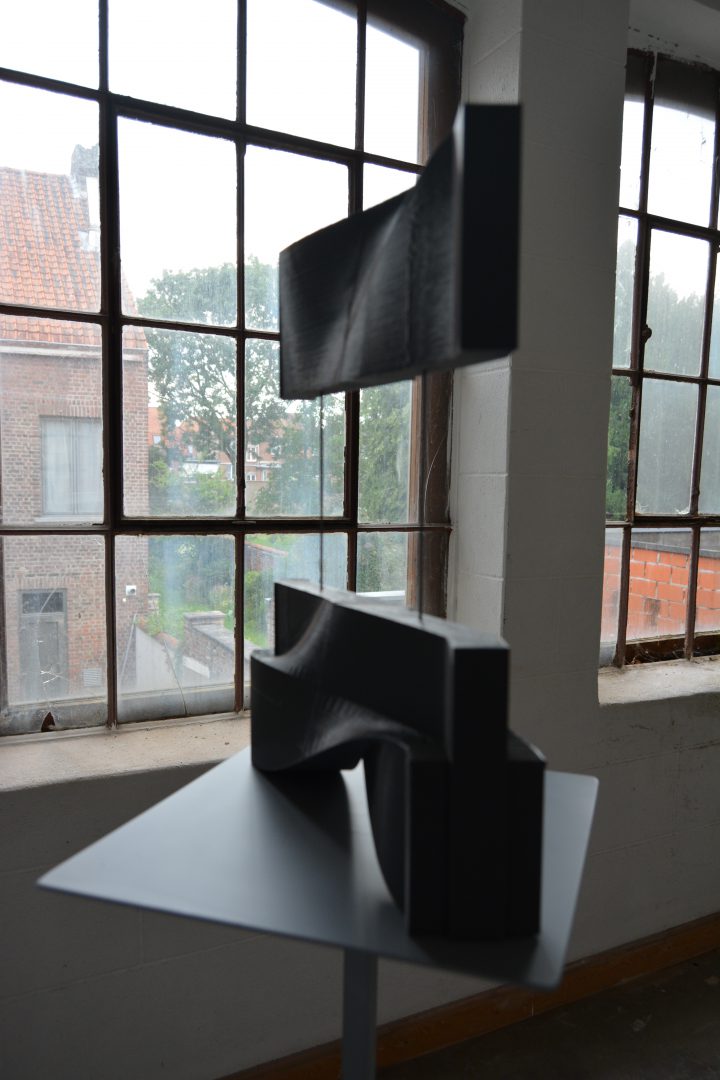
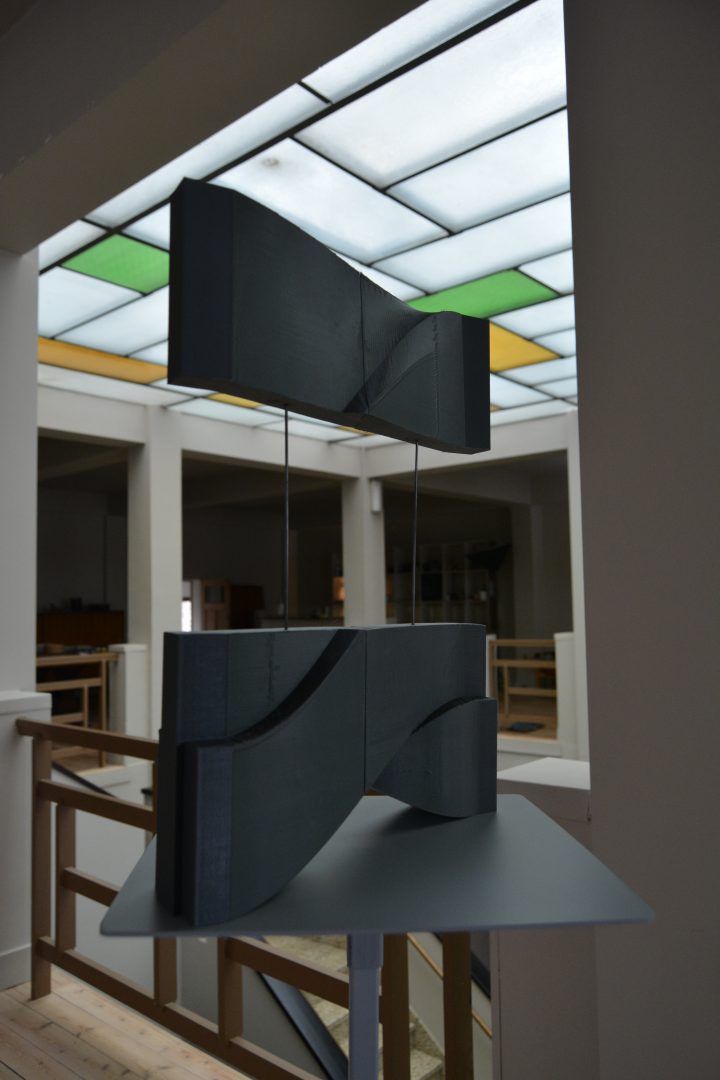
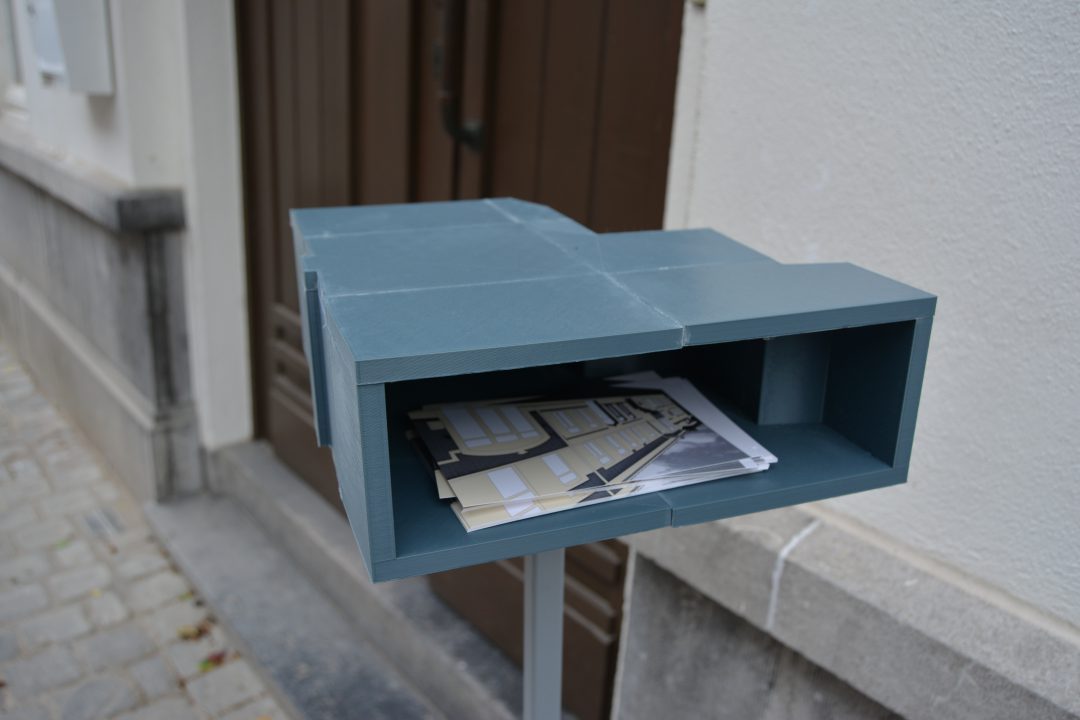
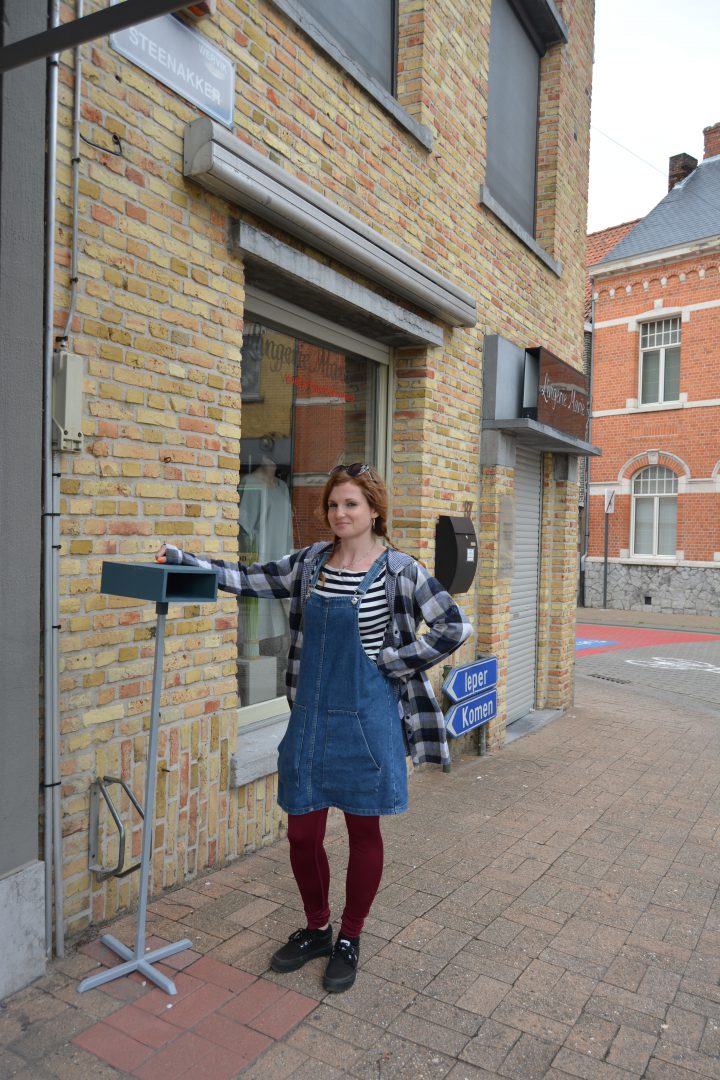
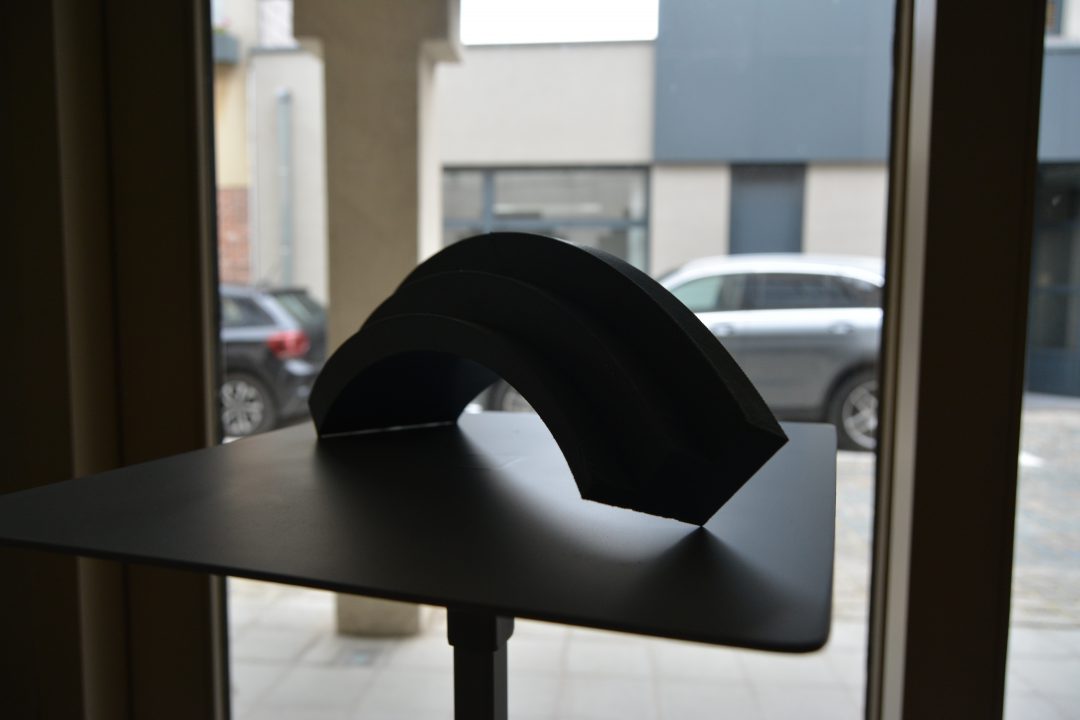
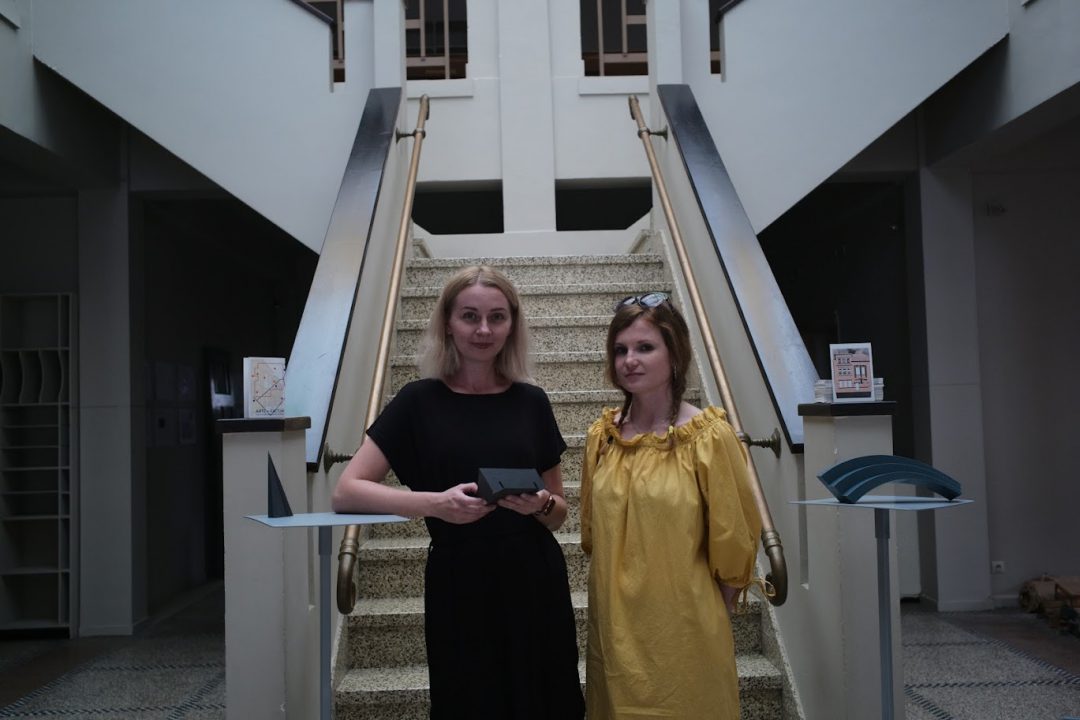
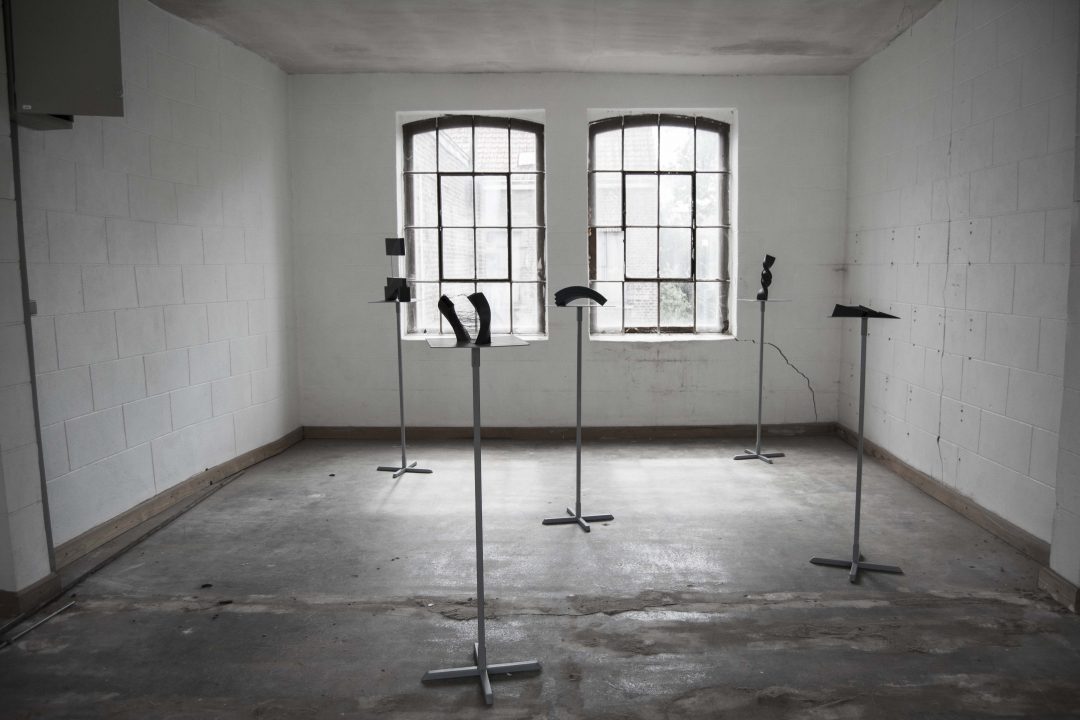
The project is based on the morphology of the Hardware store building, which has undergone changes over the years. Our goal is to point out the development of the external features of the building (external features), but also the connection with the purpose for which the building was used (internal context). We want to relate the modernist features that the building bears to the ideas of modernity (in general) through contextualization. We choose architecturally interesting parts of the exterior and interior of the building, from which we plan to create scale 3D models from original materials (concrete, glass, etc.). This will create a series of models that act as museum artifacts, and the architecture of our exhibition is also conceived in this style. The artifacts will added QR codes, which take over the function of “labels” for works, similar to what is the case in museums. After displaying the QR code, however, a caption does not appear, but a link to an animation that works with the visual morphology of a particular artifact. Animation acts at first as games (literally referring to them somewhere – tetris), but over time their original meaning, transformation, or more general context to the ideas of modernism that they mediate begins to appear.
Festival Prototyp Brno, thermosensitive 3D printing, sound, collaboration with Andrea Uváčiková, 2021.
A kumulace Zuzana Bartošová, Andrea Uváčiková Installation A cumulation responds to the problems associated with a large population and the associated with warming of the planet. The installation directly responds to the presence of visitors. Objects have sensors which directly response to movement of visitors and they start to heat and change colour. The objects are printed from thermo-sensitive material and thus change color in directly to the number of visitors in the gallery, so everyone can influence the appearance of the objects with their presence. The installation does not solve the problems with global warming, it is just a statement or reflection on the accumulation of materials in space and the associated accumulation of heat. Simultaneously with the objects, there is a sound installation in the space, which represents the accumulation of sounds directly from the gallery. The device captures sounds from different places in the space, which it gradually stores, the sounds overlap and thus creates an accumulation of sounds. The visitor not only influences the appearance of the objects, but with his presence leaves a trace in the form of sound in the gallery. Objects are made out of 3D printed parts. Imperfections of prints are left as important visuals details. The size and appearance of the objects will be directly proportional to the funds obtained from potential sponsors or a gallery contribution. Objects are thus something unclosed that we can still complete as the environment in which we are living. They are based on the reflections on space and dwellings that we build, and they are free materializations of ideas about spatial solutions based on geometrized materials that ubiquitously surround us. We sense missing parts in objects, and without knowing them, we can imagine them.
Festival DOM, 3D print (PVA), water system, collaboration with Andrea Uváčiková, Pistori Palace, Bratislava, 2021.
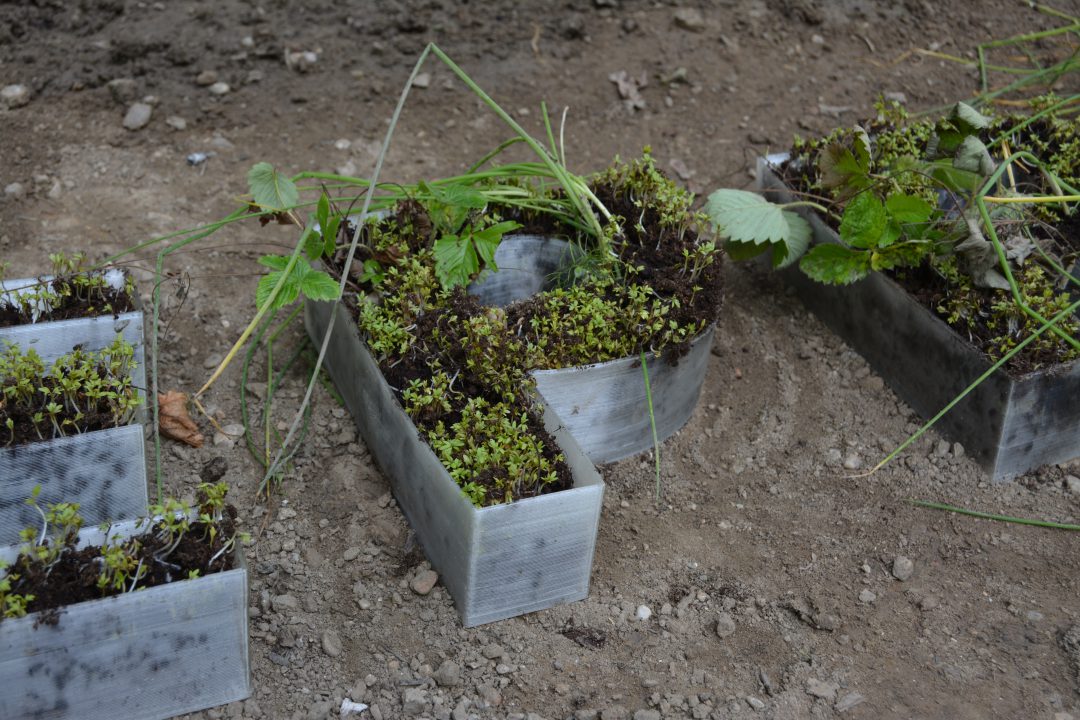
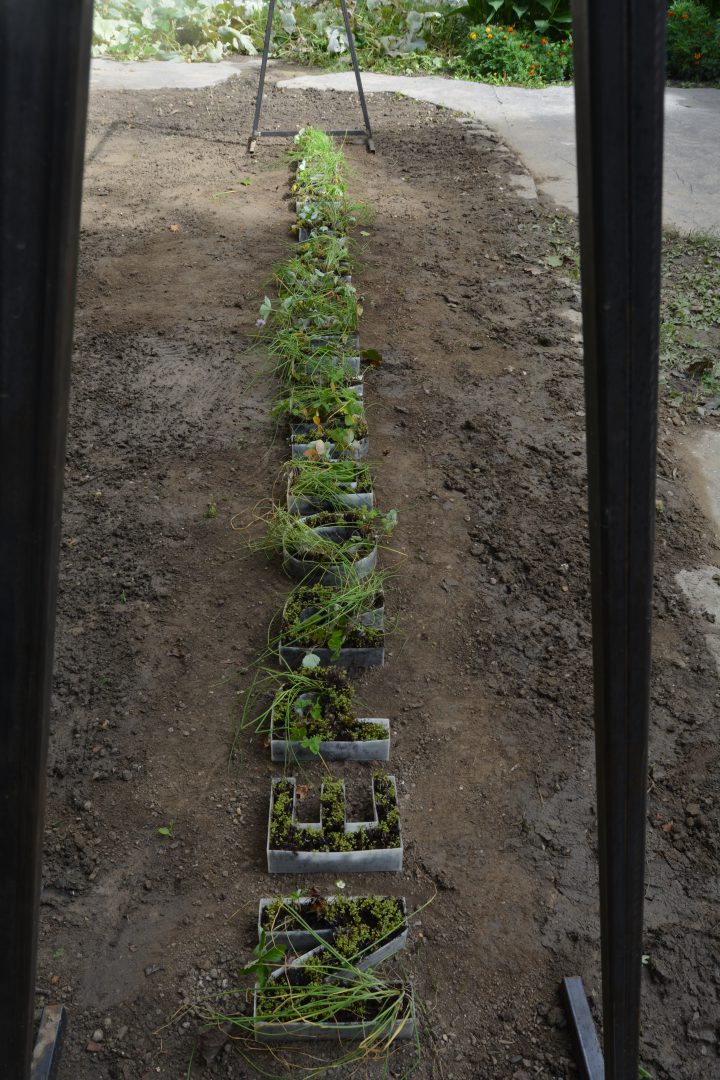
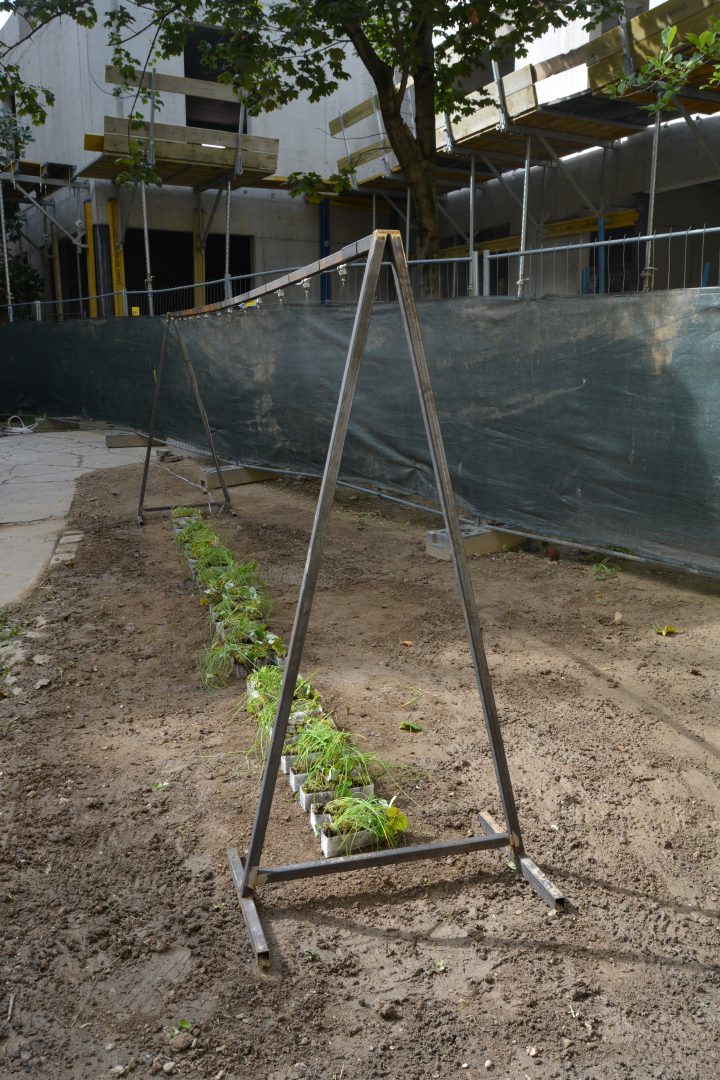
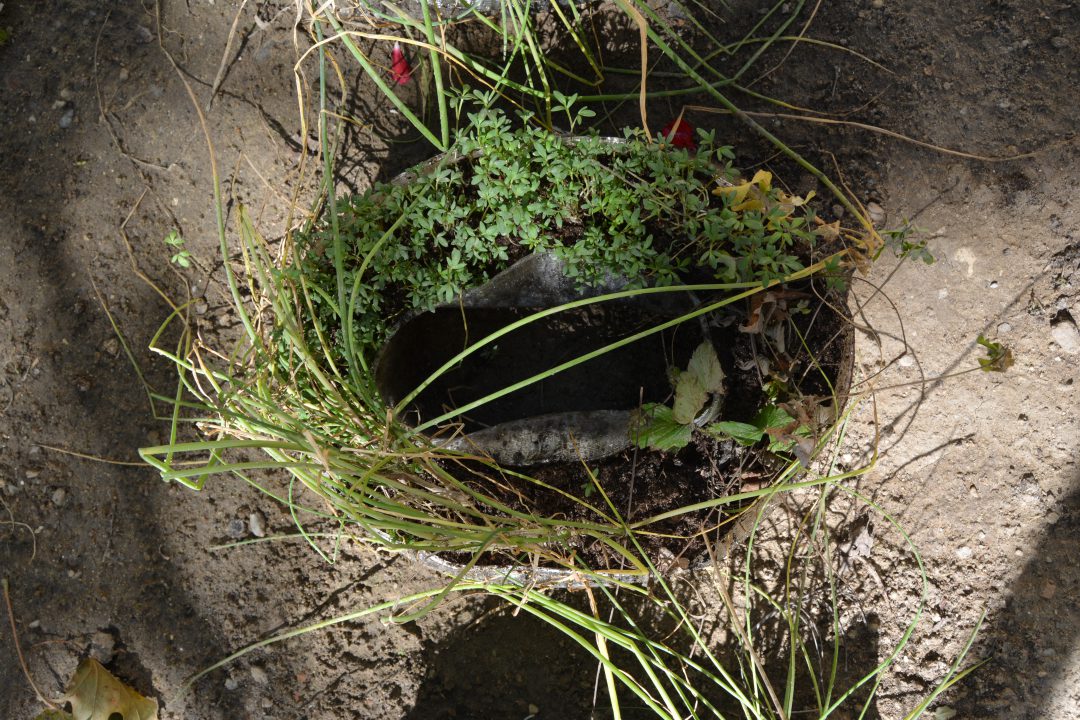
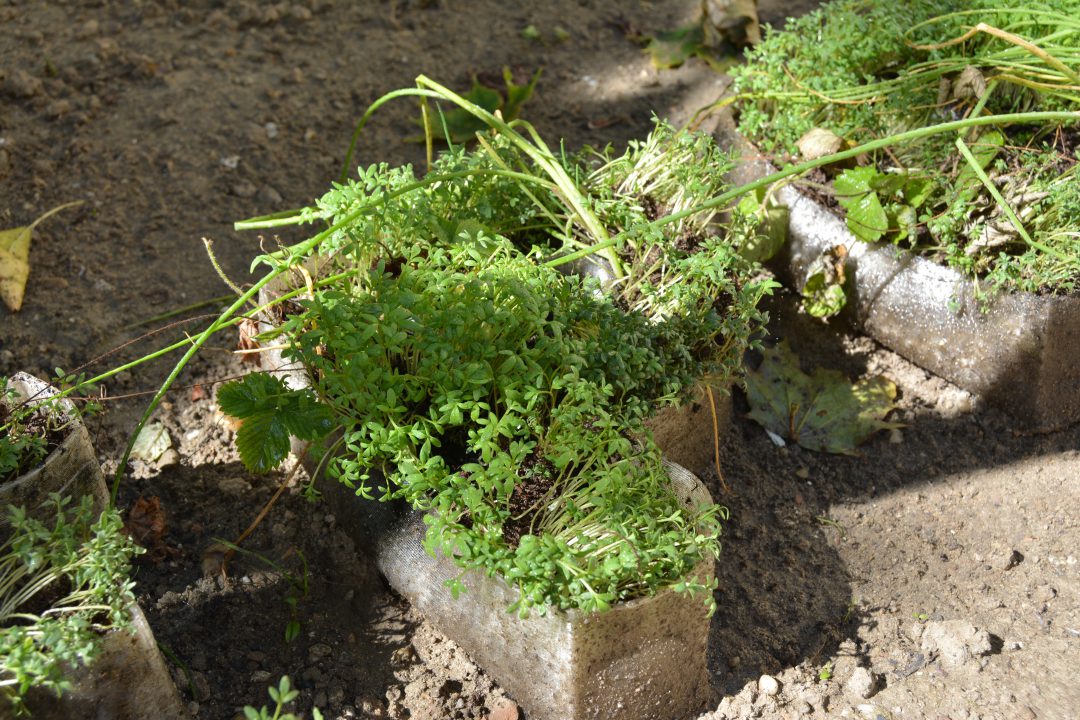
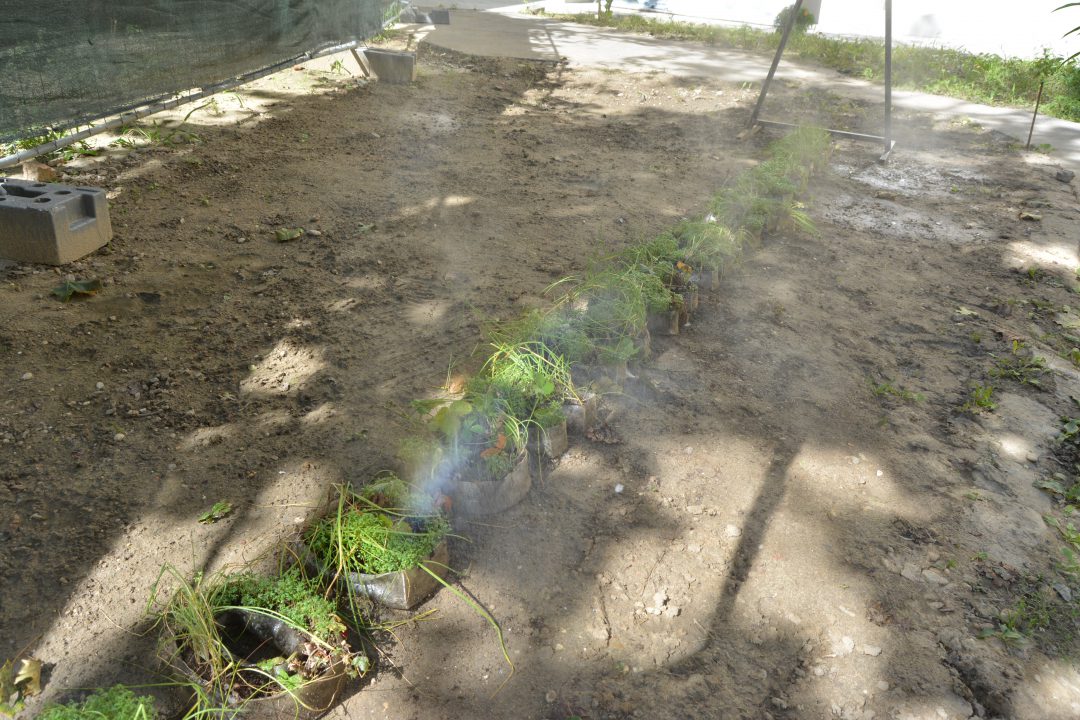
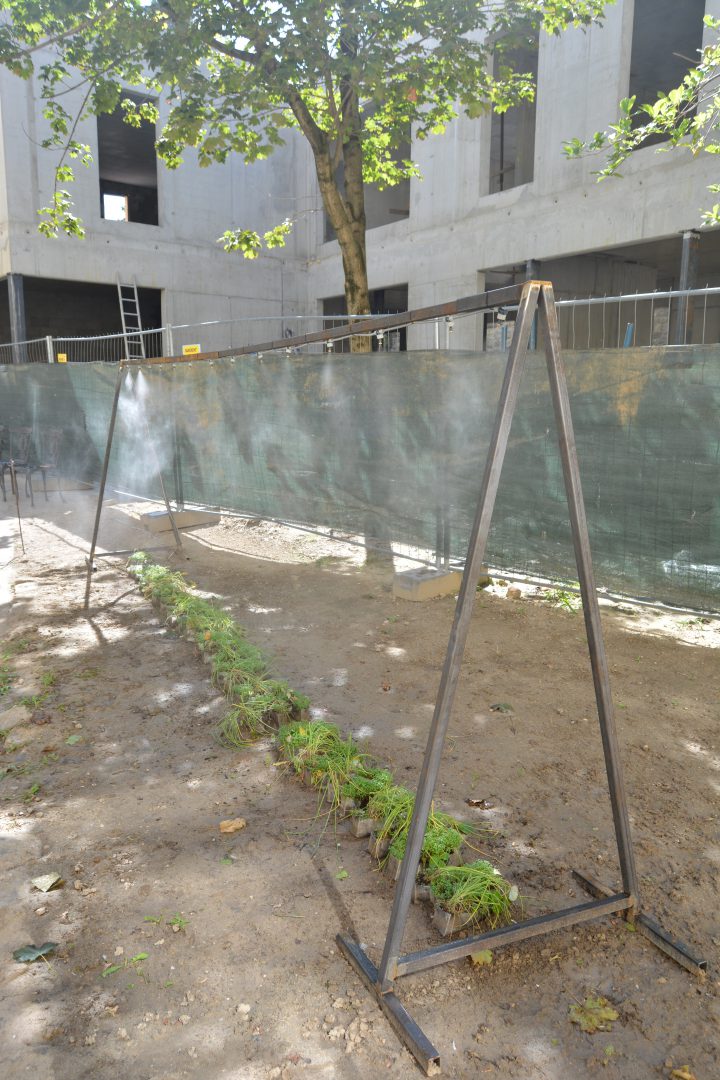
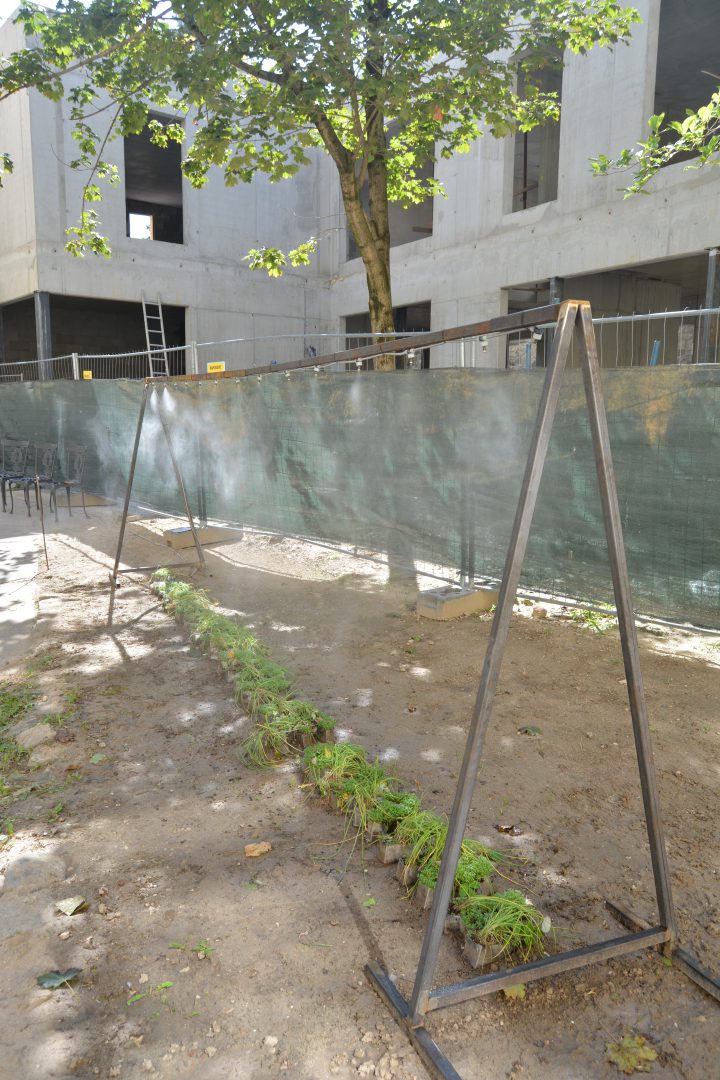
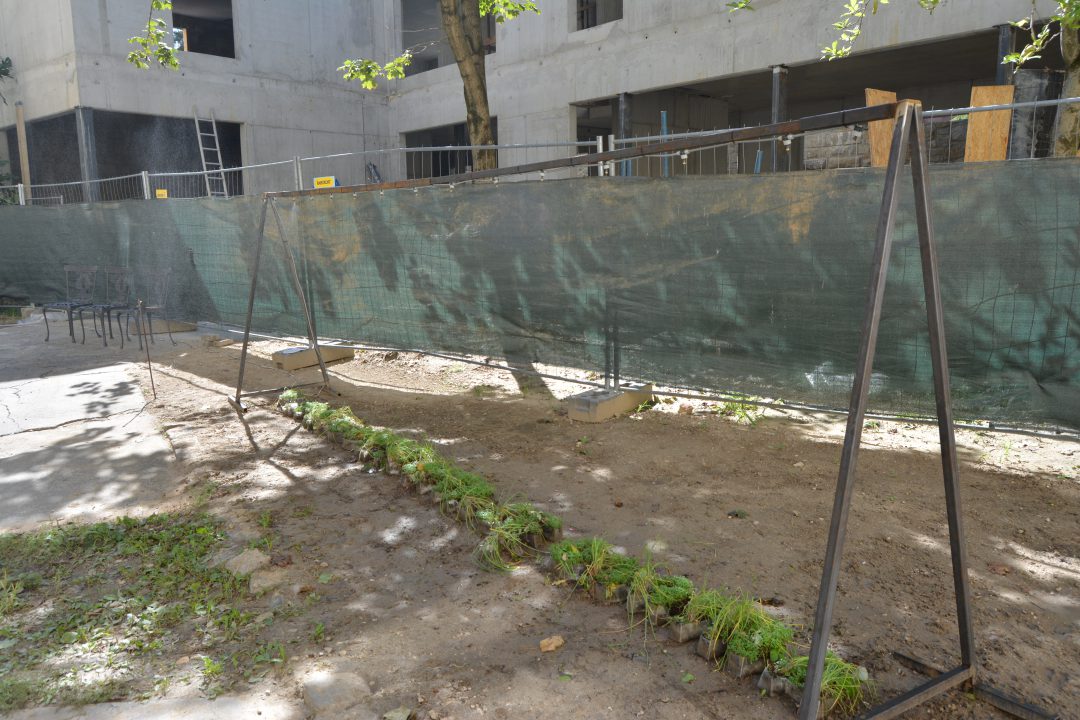
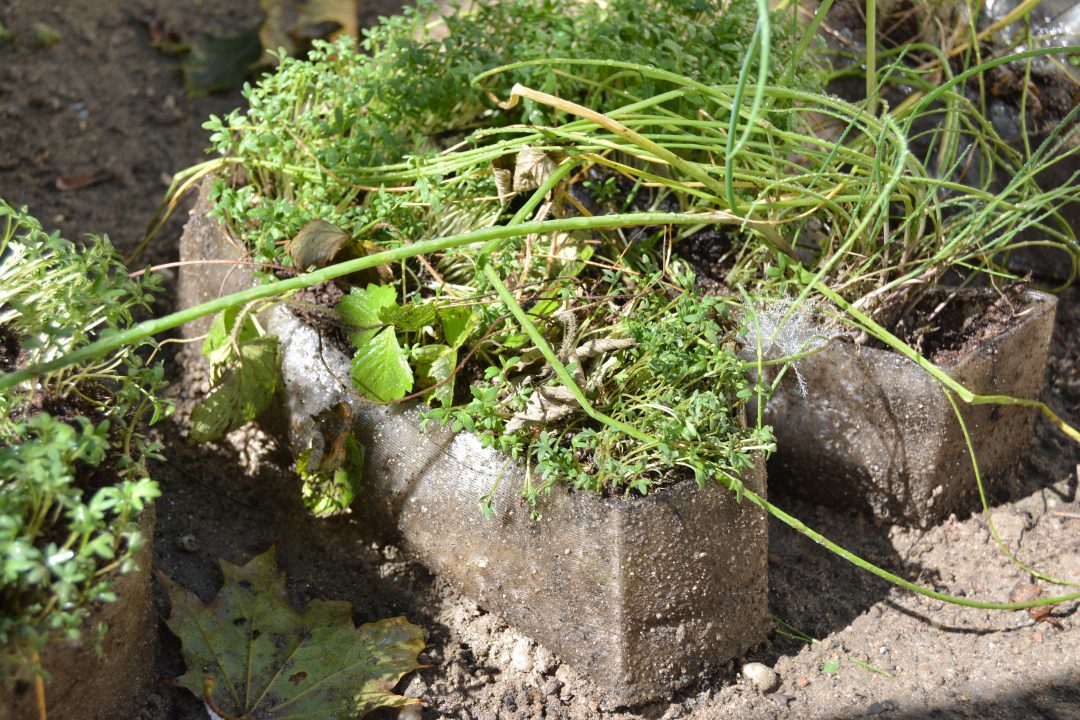
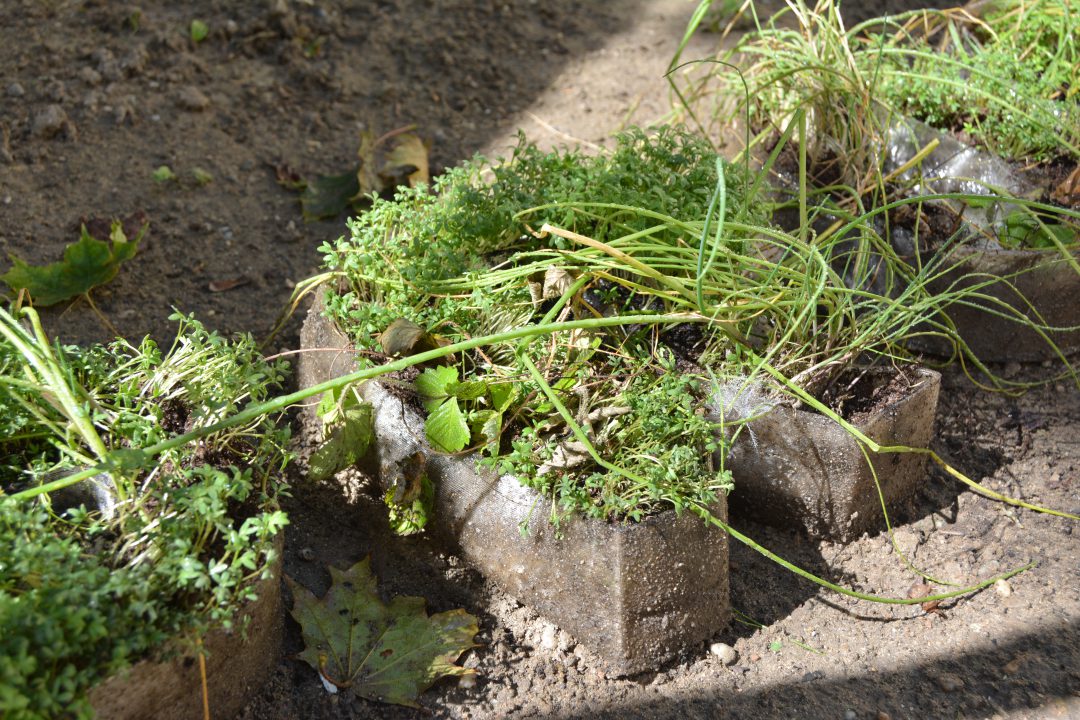
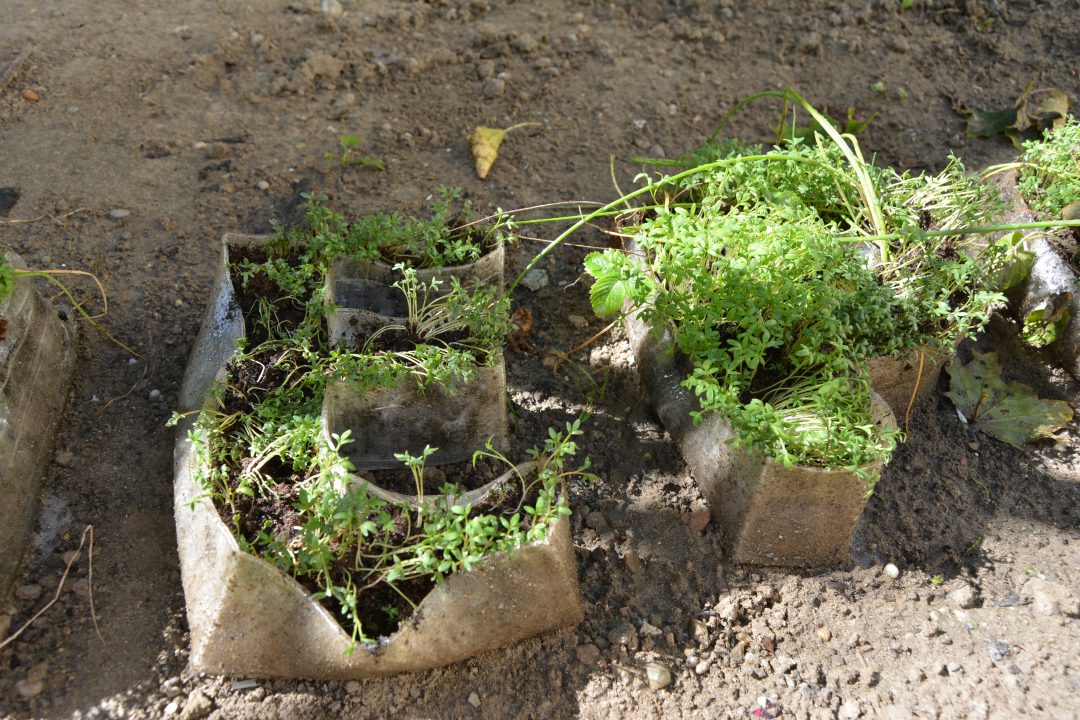
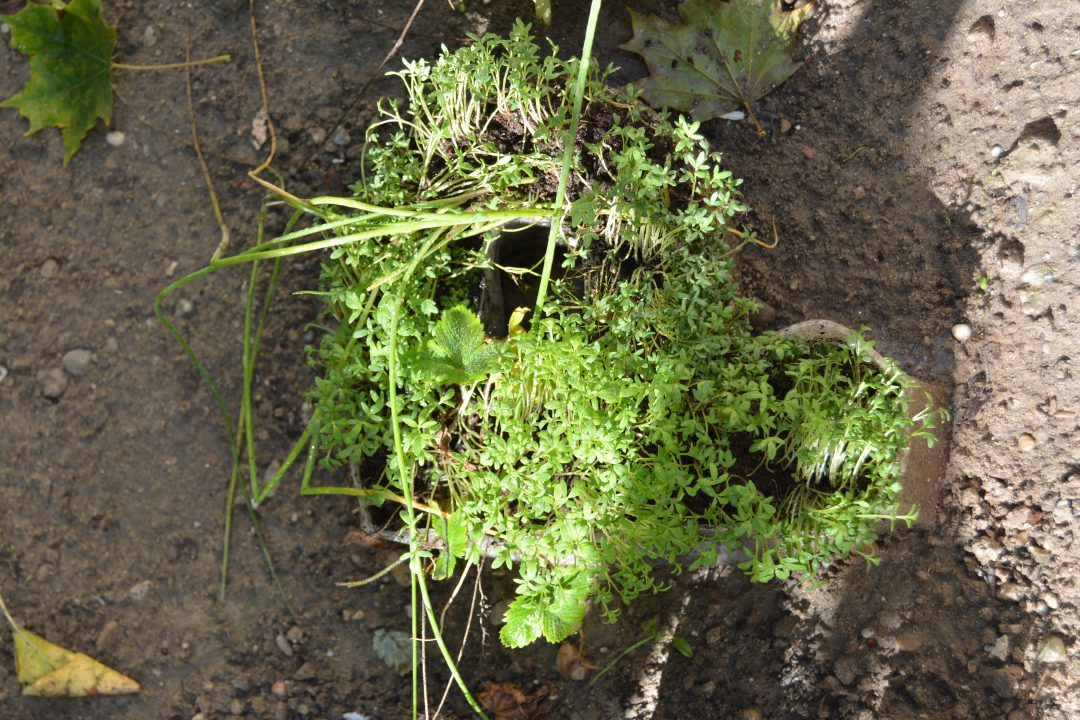
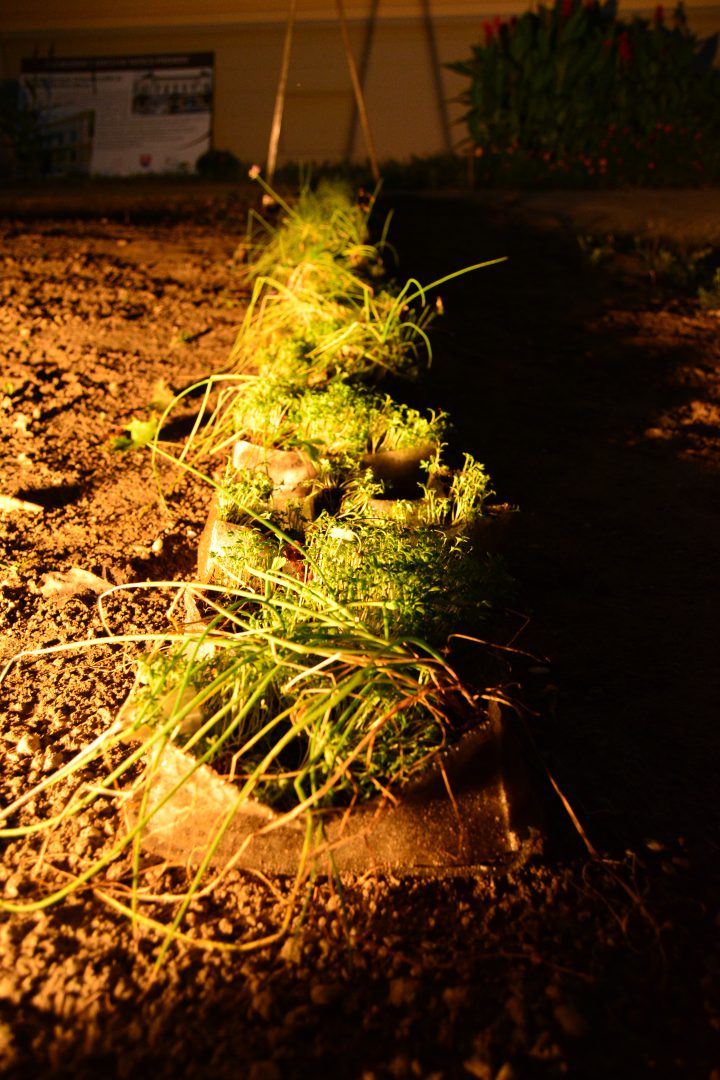
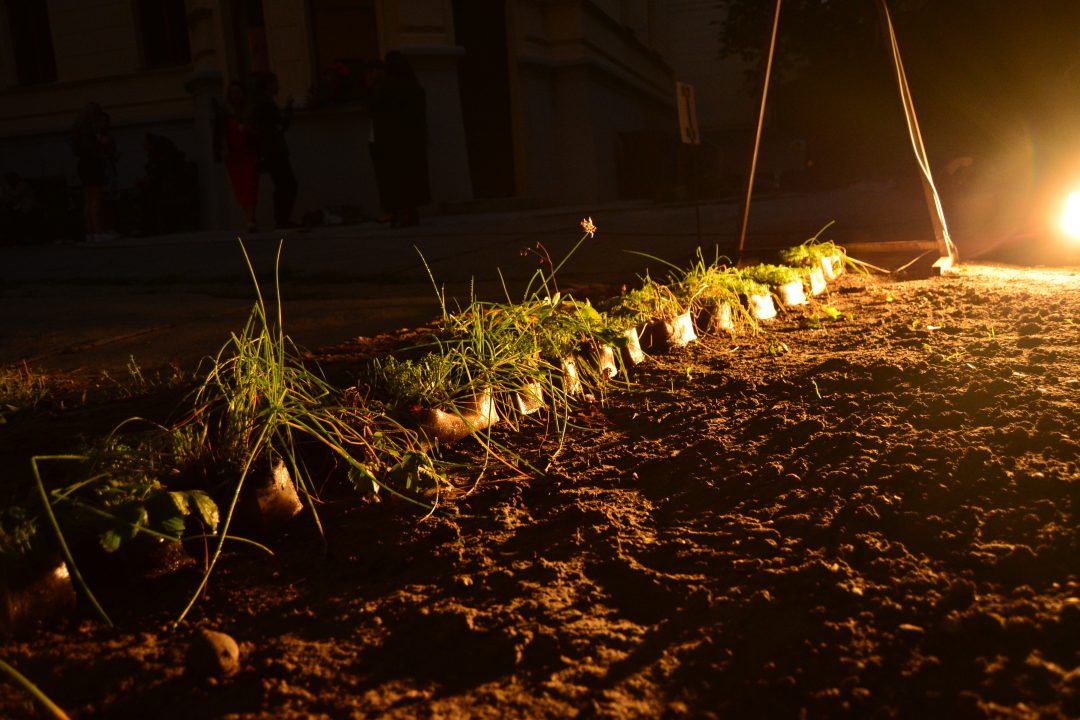
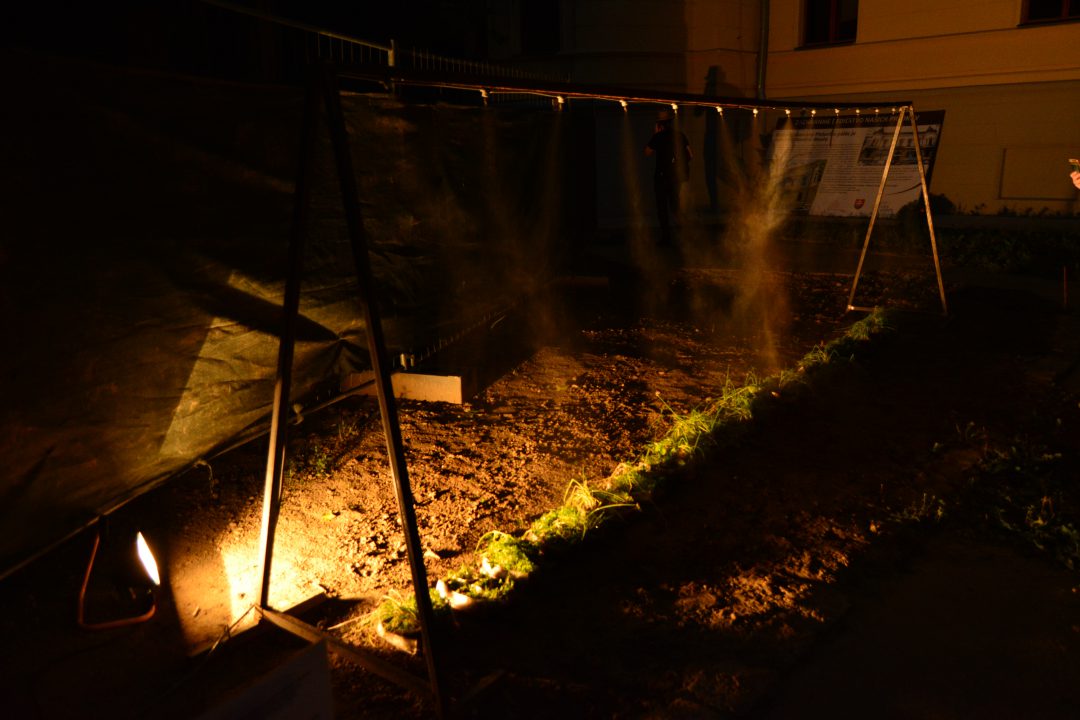
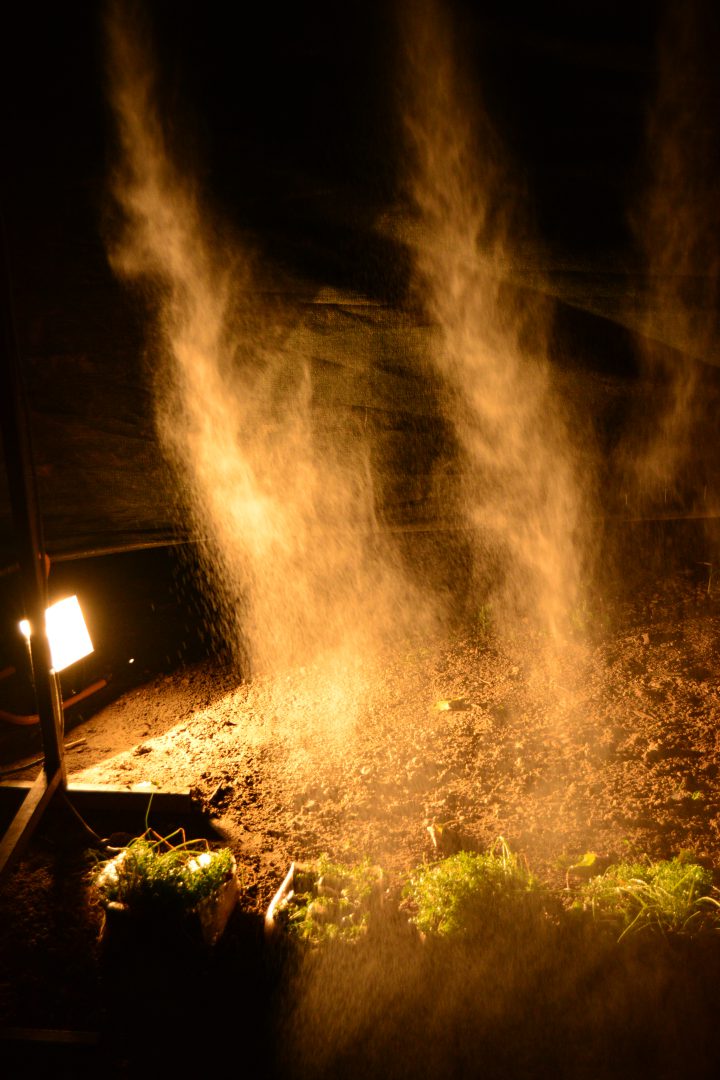
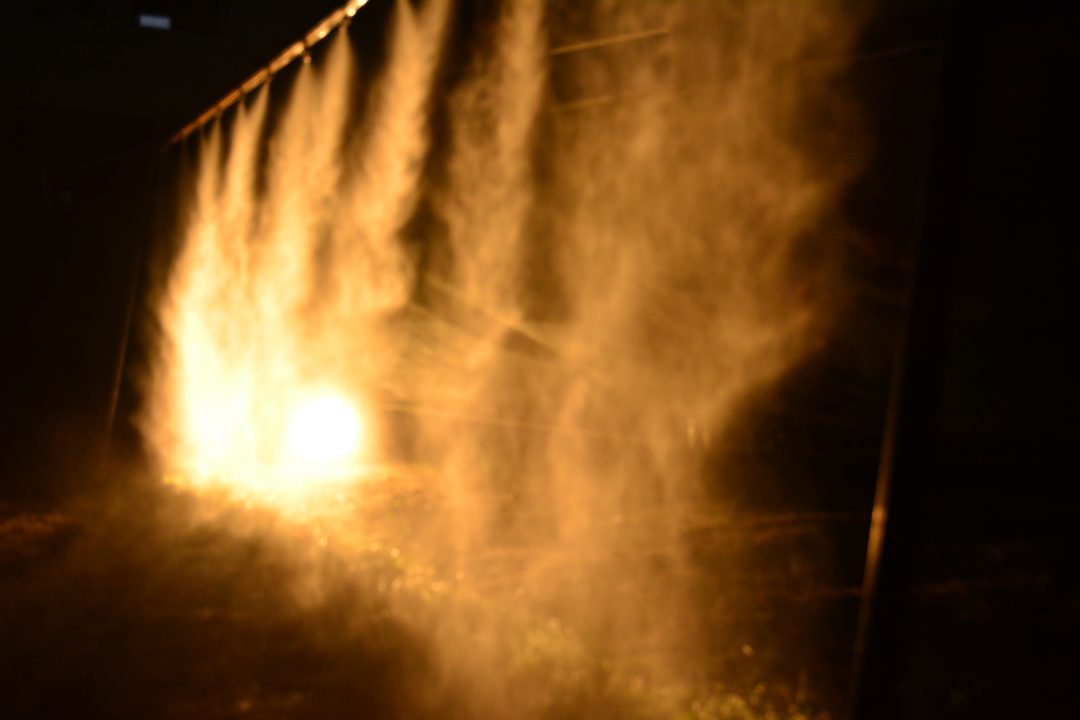
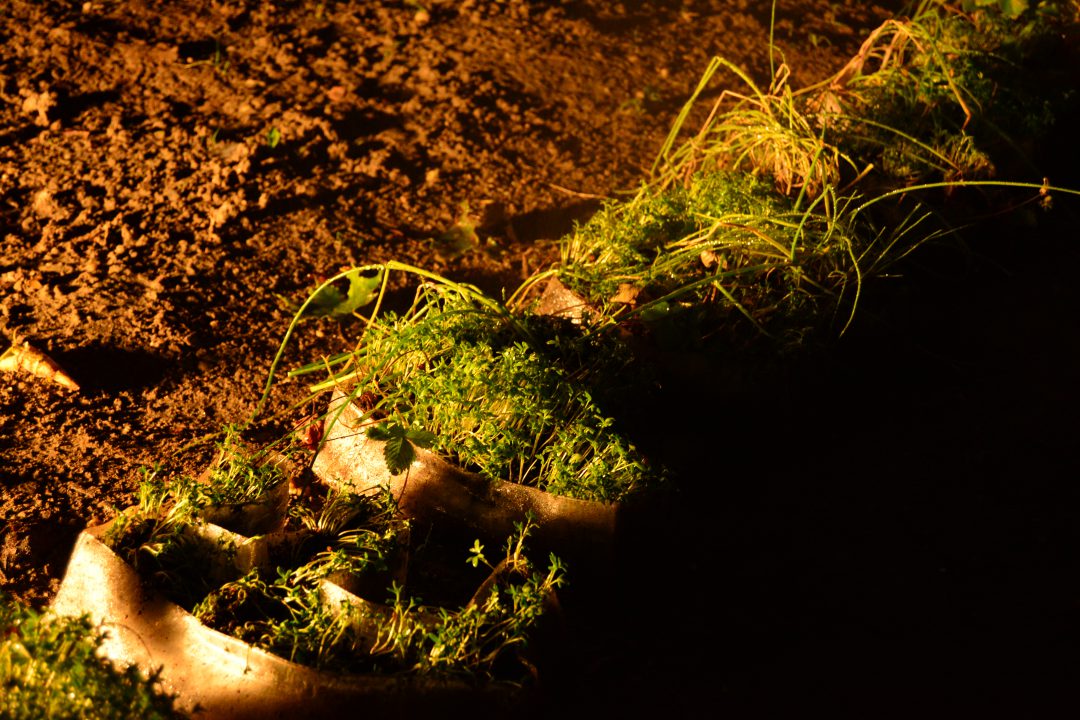
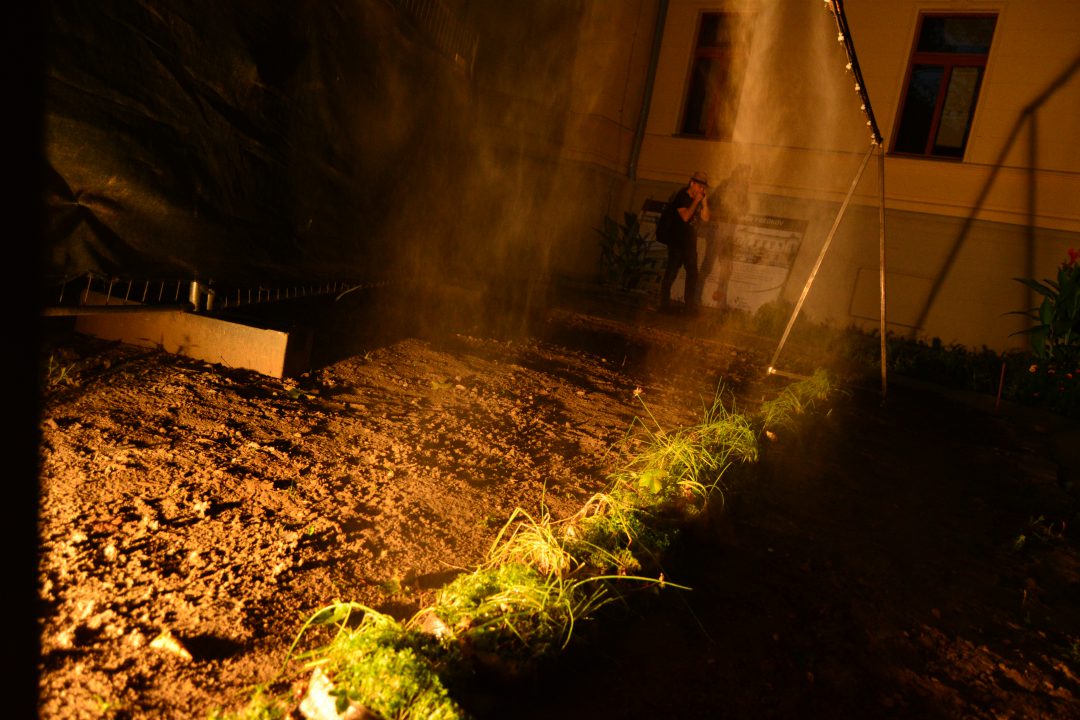
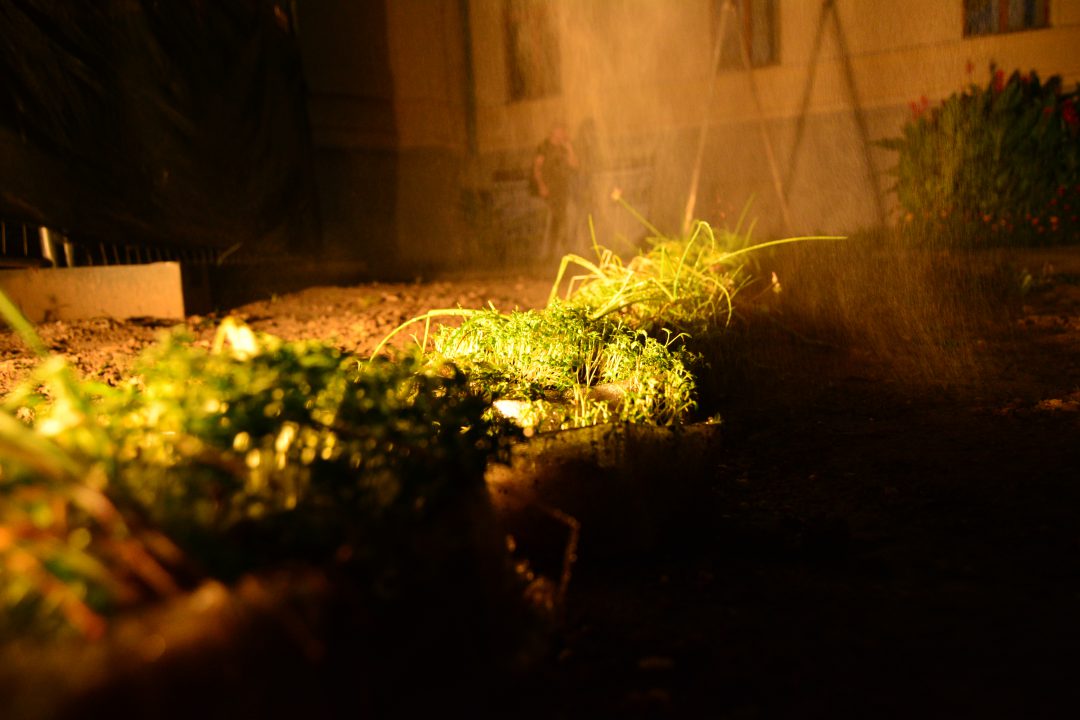
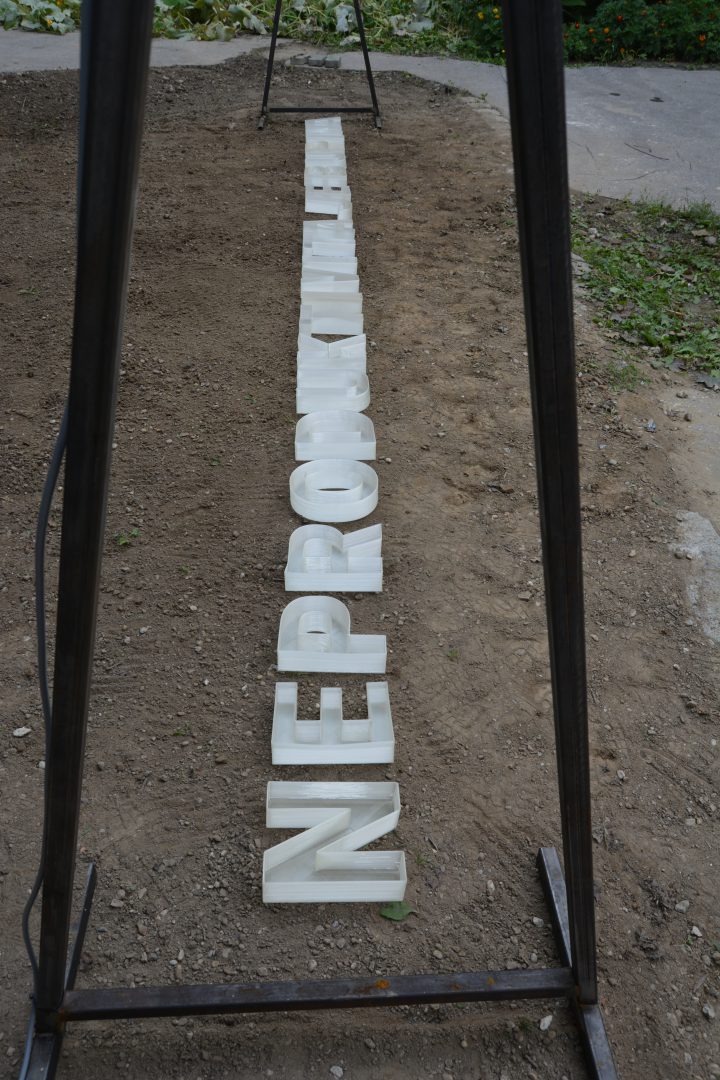
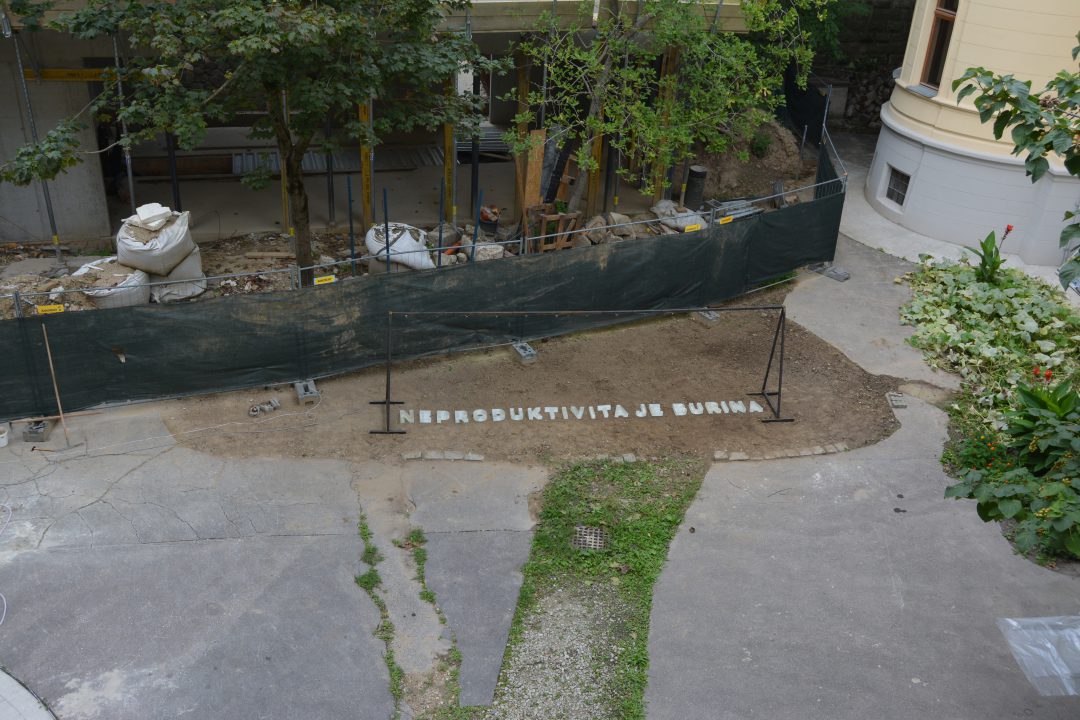
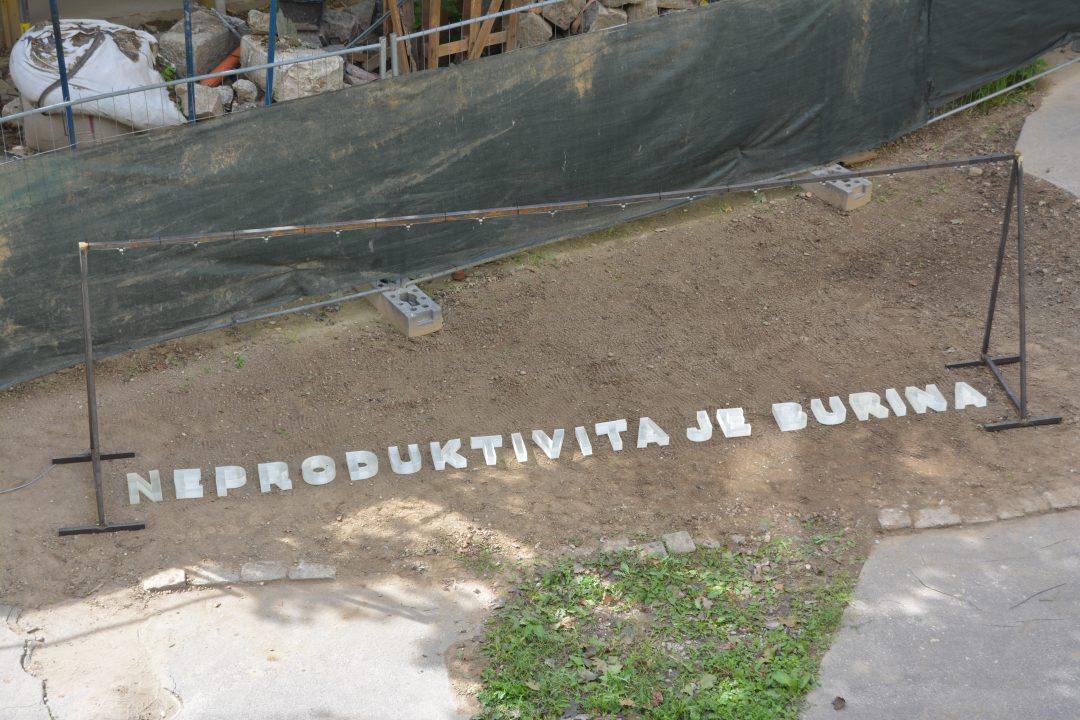
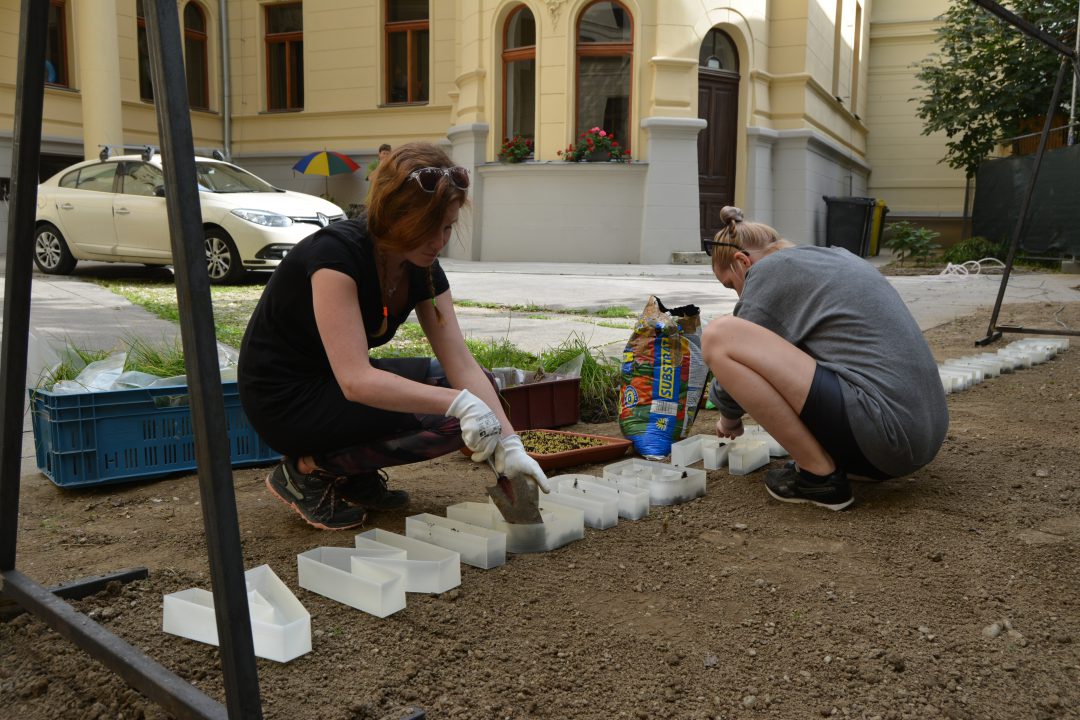
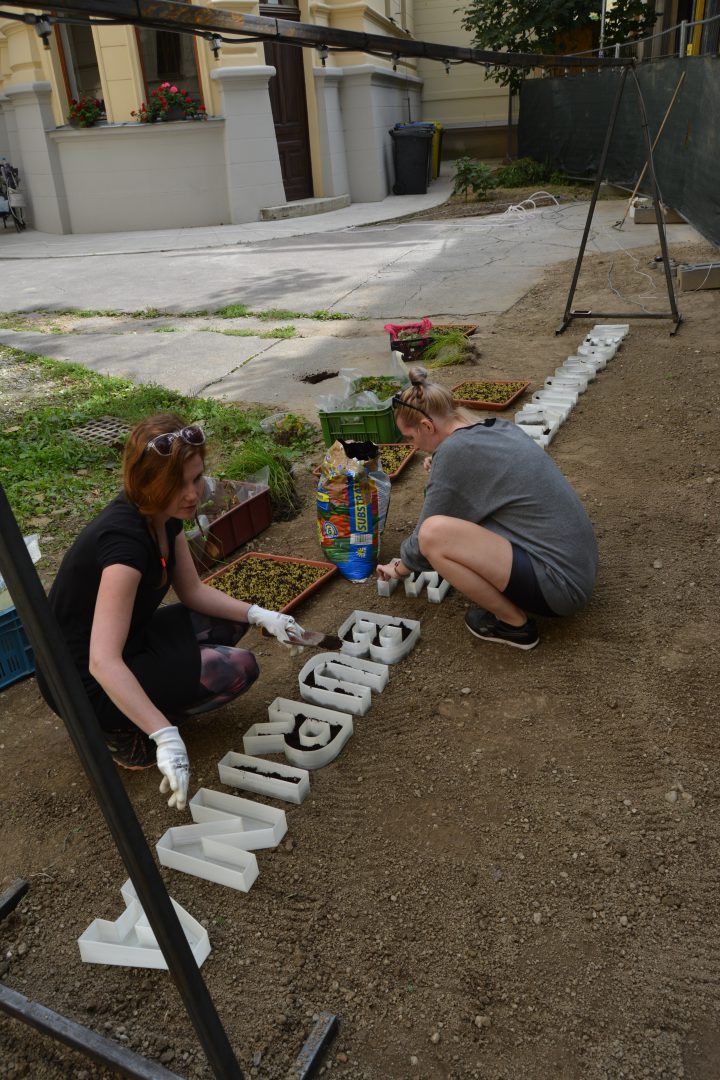
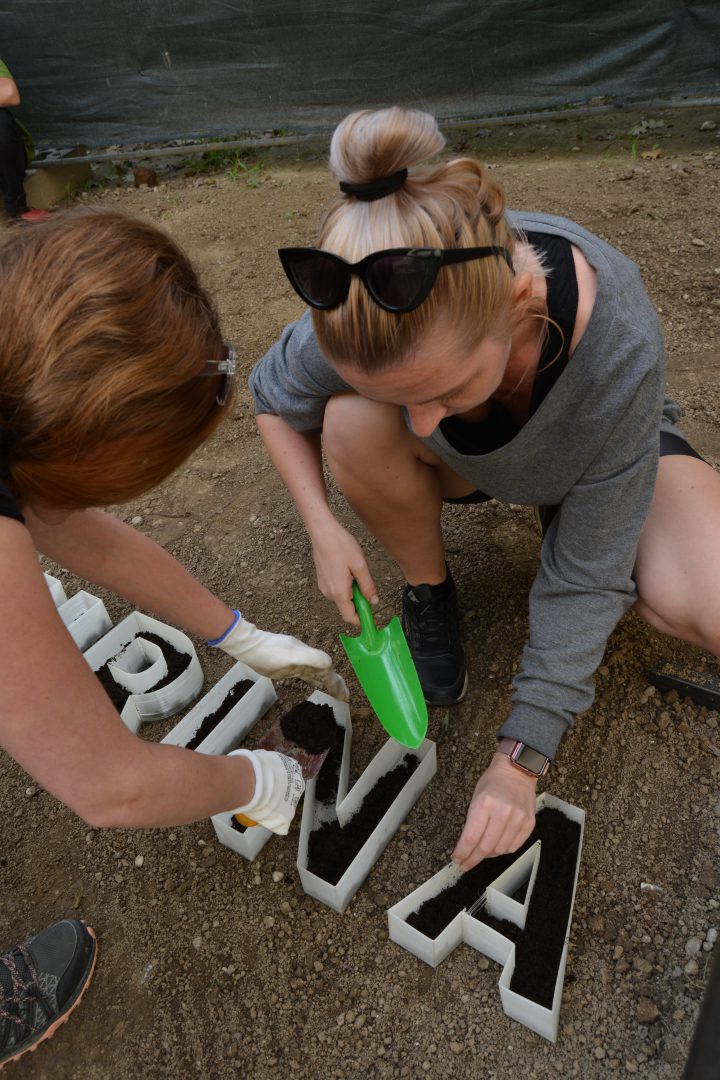
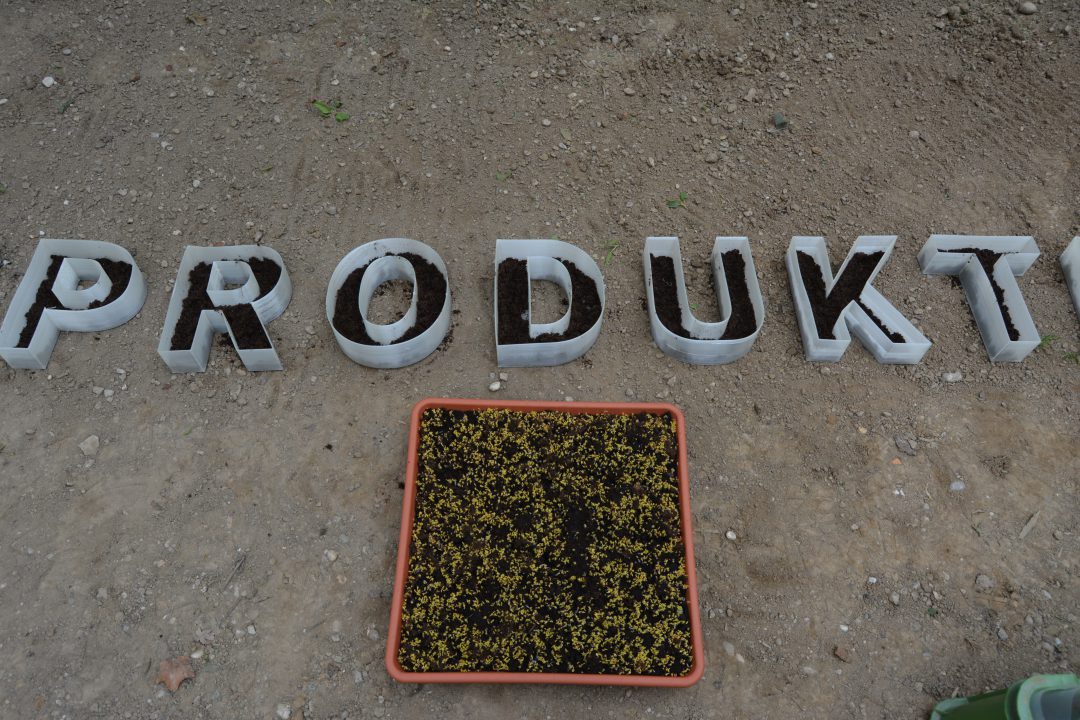
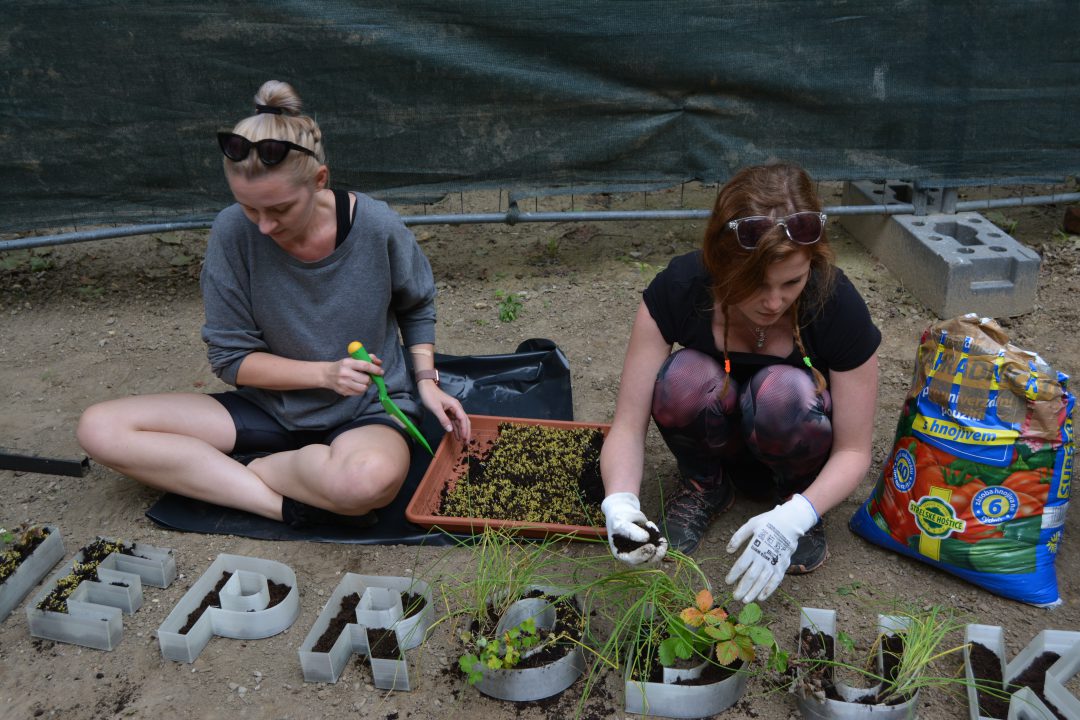
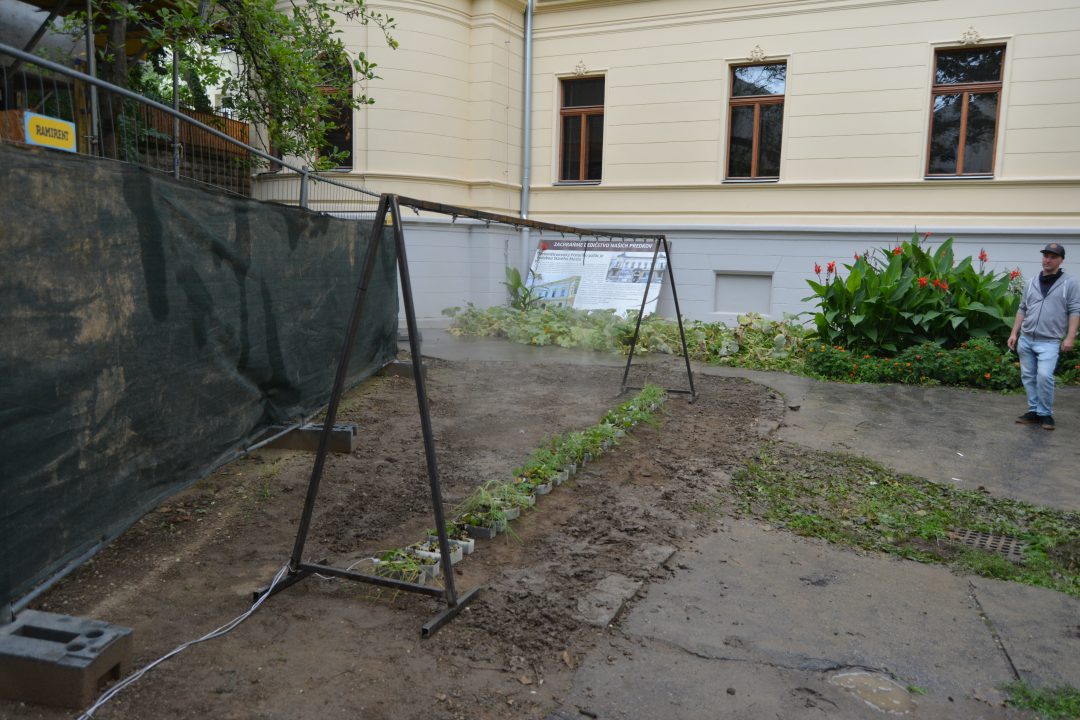
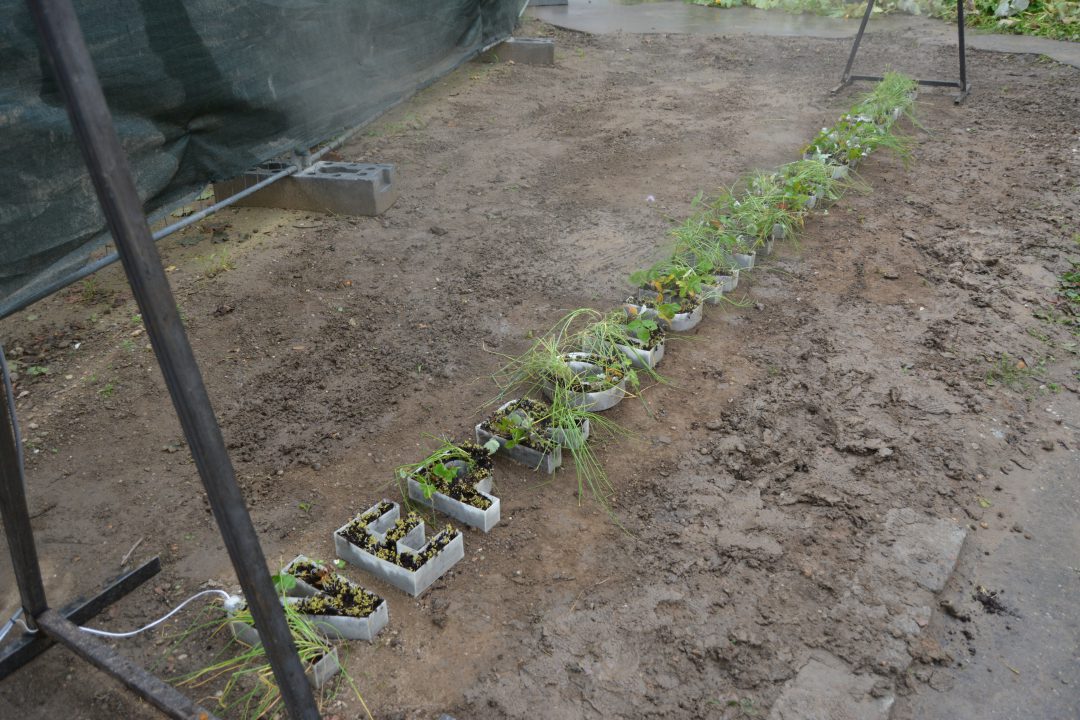
Processual installation, object, 3D print (PVA), soil, plants, metal construction, water system, 500 x 170 x 80 cm, 2021 In the site-specific installation Unproductivity is weed, the authors use the process of self-watering the planted plants to point out the constant need for production within the utopian vision of endless growth, which is still the mainstay of our society. The constant generation of new products (hyperproductivity) or the constant activity of man can lead to his exhaustion and, in a broader context, to the exhaustion of society and the planet as such. The authors have long been interested in the phenomenon of unproductivity, in the state when we consciously try not to produce anything and not to create waste. Getting to this state without suffering from remorse for not doing something is getting harder, however, when we admit that not knowingly doing something does not automatically mean laziness or a waste of our time, it can be this activity / inactivity, on the contrary, give birth to something beneficial. The installation consists of the text “productivity is a weed”, which is printed on a 3D printer from a special, water-soluble and biologically harmless filament PVA. The letters act as flower pots in which useful and medicinal plants are planted. The environment includes a self-watering system that supplies the plants with the necessary moisture. The experimental nature of the installation is underlined by the fact that the flowerpots gradually lose their form under the action of water. It is questionable how vegetation will cope with the gradual disappearance of borders and whether it will continue to grow freely, similar to “wild fruit”. The authors also point out the parallel between plant planting and letter planting (Czech planting), which were one of the “meditative” activities during the past year permeated by periods of quarantine and “lockdowns”. Under the pressure of circumstances, the company slowed down, became less productive and motivated many of us to spend time in the garden, in nature or in creation.
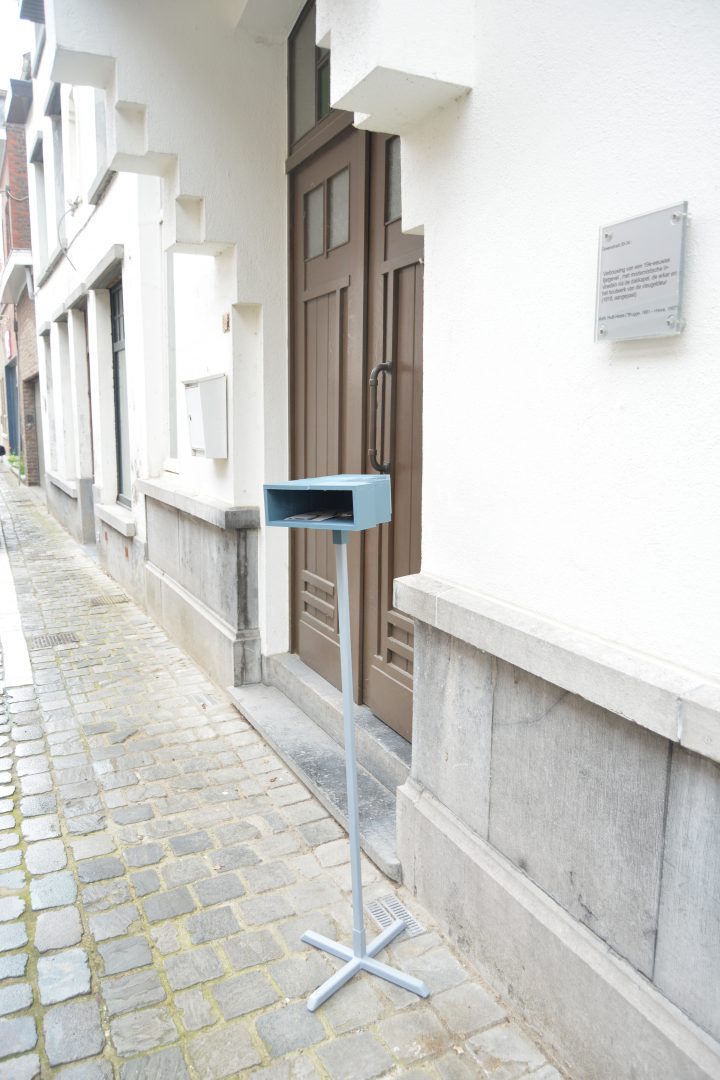
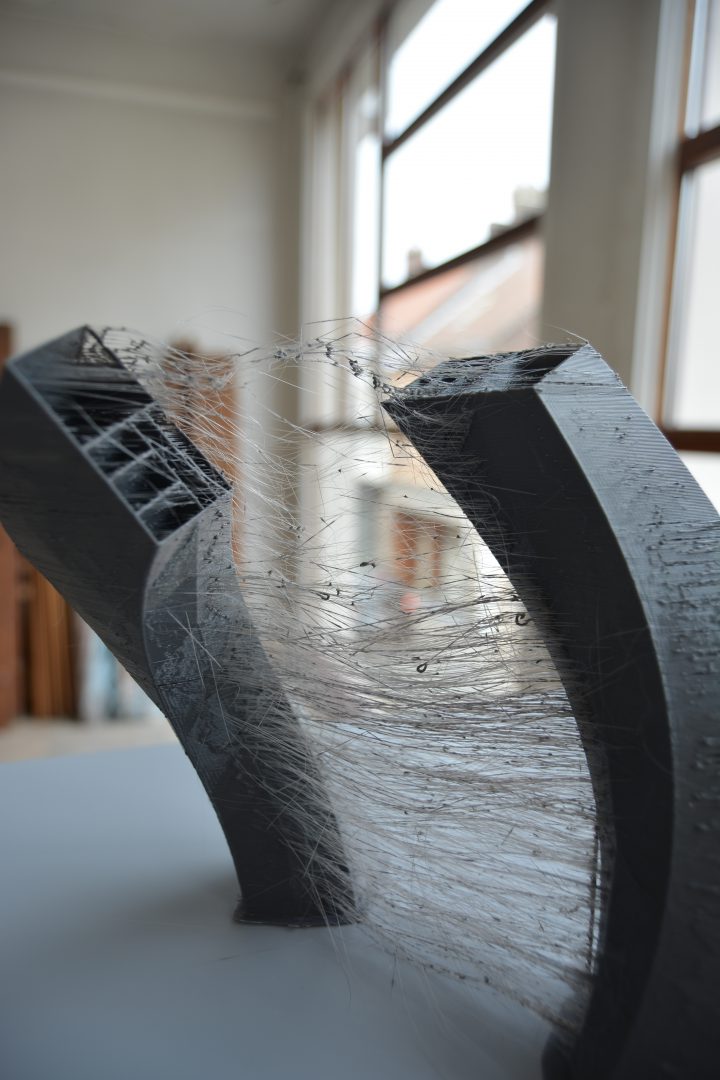
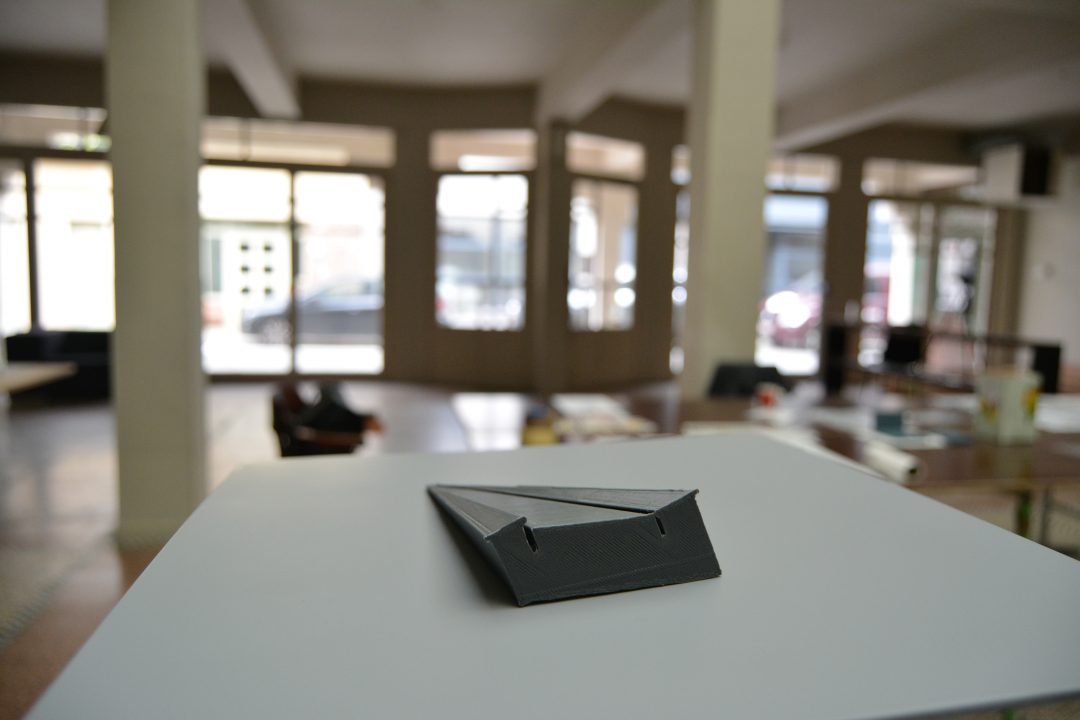
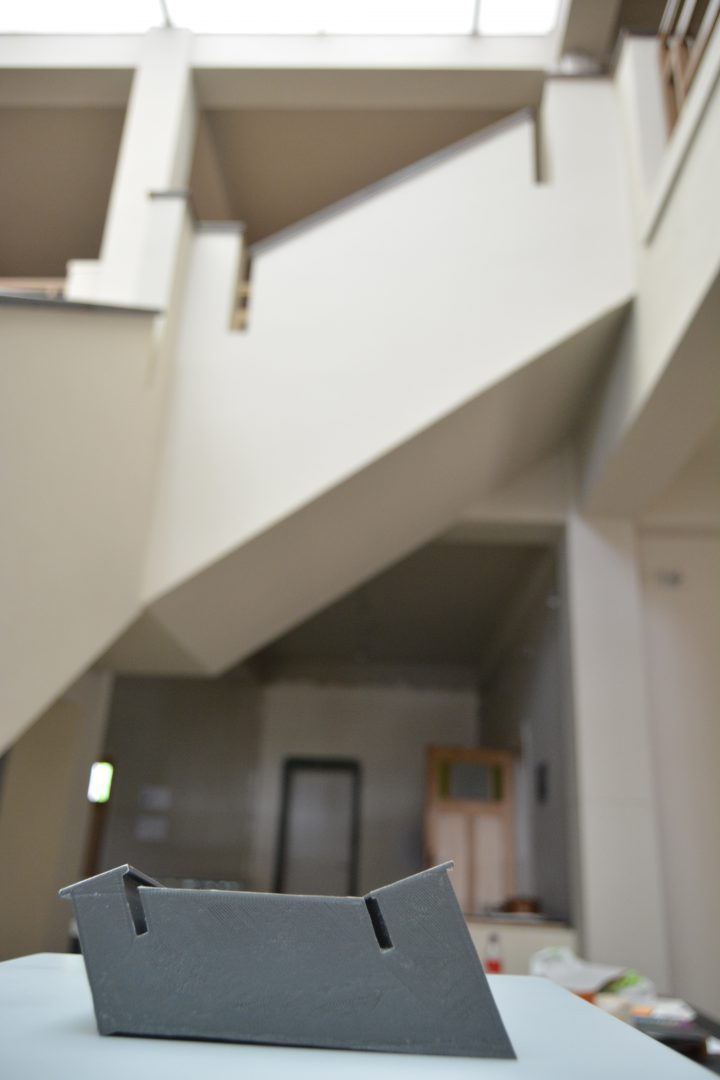
Modernism for the Future 360/365 Project, 3D prints, collaboration with Andrea Uváčiková, Kortrijk, Belgium, 2021.
The project is based on the morphology of the Hardware store building, which has undergone changes over the years. Our goal is to point out the development of the external features of the building (external features), but also the connection with the purpose for which the building was used (internal context). We want to relate the modernist features that the building bears to the ideas of modernity (in general) through contextualization. We choose architecturally interesting parts of the exterior and interior of the building, from which we plan to create scale 3D models from original materials (concrete, glass, etc.). This will create a series of models that act as museum artifacts, and the architecture of our exhibition is also conceived in this style. The artifacts will added QR codes, which take over the function of “labels” for works, similar to what is the case in museums. After displaying the QR code, however, a caption does not appear, but a link to an animation that works with the visual morphology of a particular artifact. Animation acts at first as games (literally referring to them somewhere – tetris), but over time their original meaning, transformation, or more general context to the ideas of modernism that they mediate begins to appear.